




The Shifting Travel Calendar
For years, the Indian travel calendar was predictable: a frantic rush during summer holidays and a peak season from October to March. The monsoon months of June through September were largely seen as an off-season, a time for the travel industry to catch
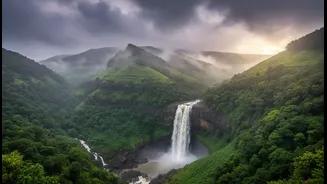
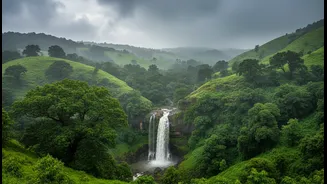
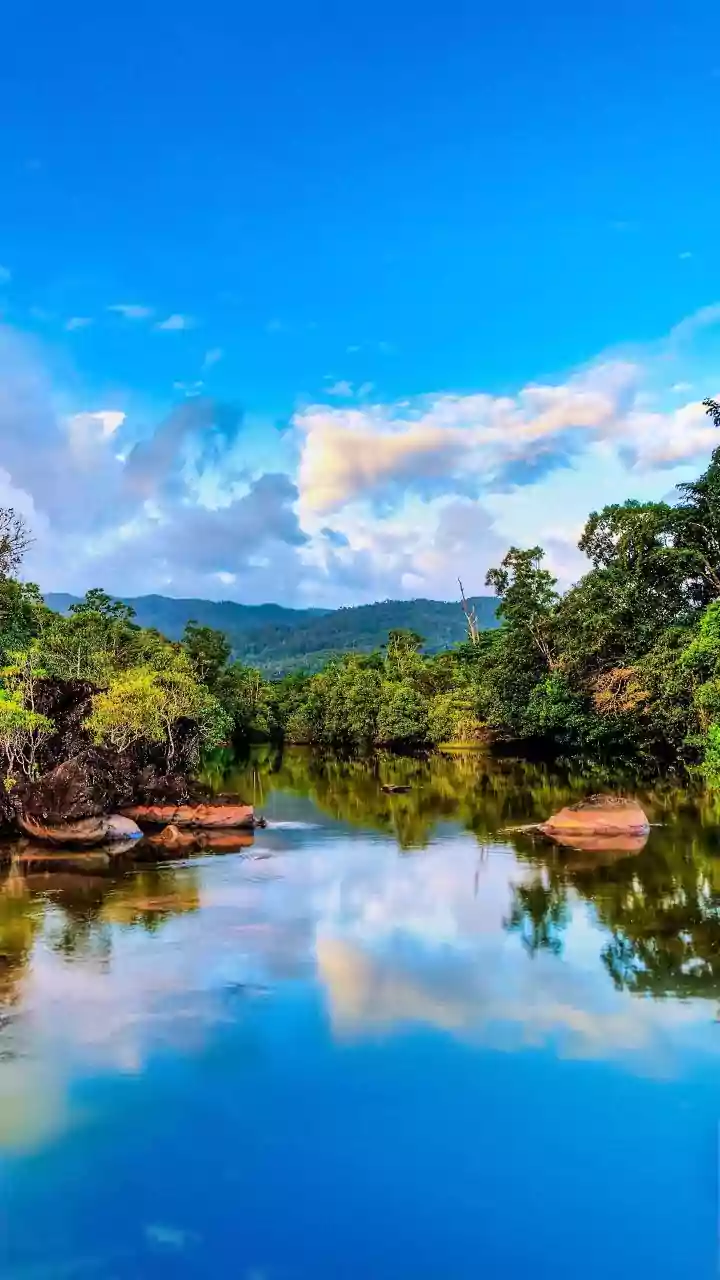
its breath. However, that perception is changing rapidly. Recent data shows a significant shift, with the monsoon emerging as a powerful travel driver in its own right. Hospitality majors and online travel platforms report that the rainy season is no longer an off-peak period but a preferred time for many travellers seeking unique experiences. This shift is fuelled by a desire for shorter, more frequent getaways and the appeal of destinations transformed by rain into verdant paradises.
The Promise of Lower Prices
The core appeal of monsoon travel has always been the potential for significant savings. Conventional wisdom suggests that with lower demand, hotels and airlines drop their prices to attract customers. Traditionally, hotel tariffs in popular leisure markets like Goa could drop by a significant margin during the monsoon. For budget-conscious travellers, this opens up opportunities to access properties, including luxury and heritage hotels, that might be unaffordable during the high season. Travel companies often reinforce this narrative with monsoon sales and promotional packages, promising great value on flights and accommodation.
When Evidence Meets Expectation
Here is where the headline's caution—"evidence still matters"—becomes critical. While the idea of widespread discounts is appealing, the reality is more nuanced. The growing popularity of monsoon travel means that in many sought-after destinations, the 'off-season discount' is shrinking or disappearing entirely. According to recent industry reports, hotel pricing in places like Goa has become more "resilient" due to sustained demand, even during the rains. While deals can still be found, the blanket assumption that all monsoon travel is cheap is no longer accurate. Instead of a universal price drop, travellers are now seeing a market where high demand in certain locations keeps prices firm year-round. Data shows a massive surge in bookings for hill stations like Munnar, Mussoorie, Shimla, and Gangtok, with growth reaching ten-fold in some areas compared to last year. This booming demand naturally supports higher prices.
Where the Real Value Lies
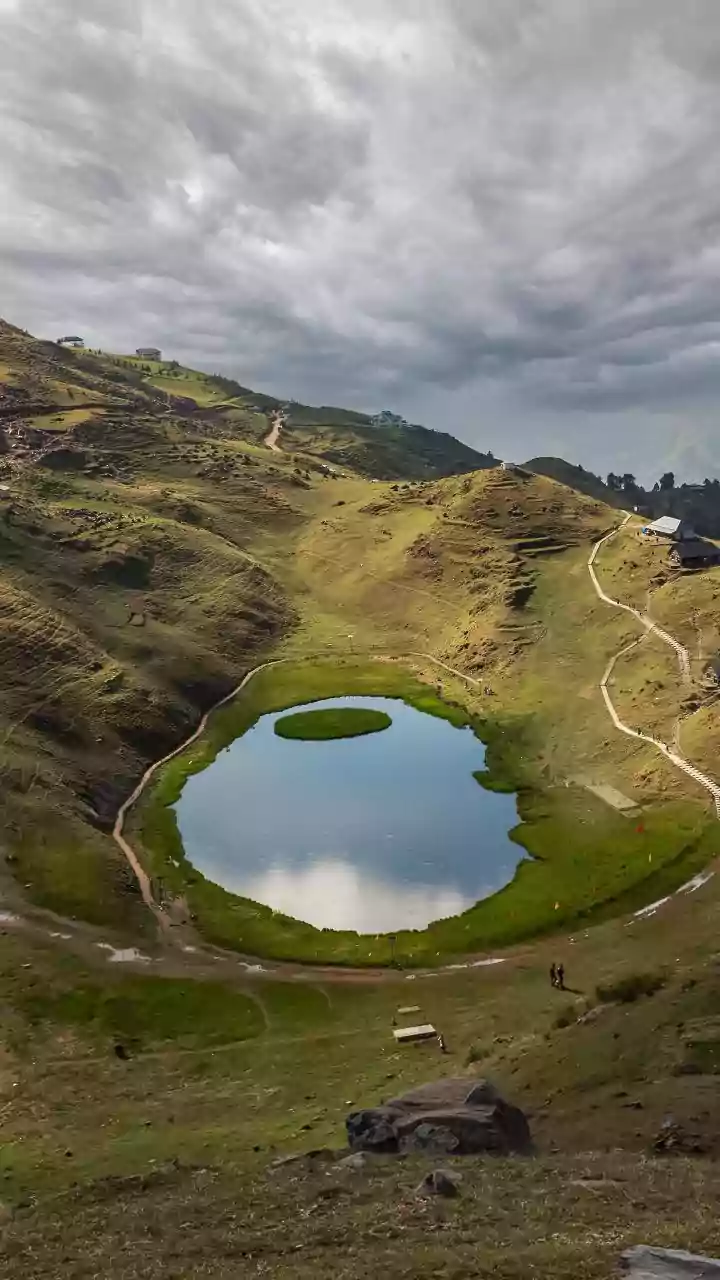
Finding genuine value in monsoon travel now requires a more strategic approach. The evidence suggests that instead of focusing on famous hotspots that are experiencing a demand surge, travellers might find better deals in destinations that are still gaining popularity or by being flexible. The trend is shifting towards experience-led travel, with travellers choosing destinations for wellness, spirituality, and cultural immersion. This means a wellness retreat in the quiet backwaters of Kerala or exploring the misty tea estates of Coorg could offer more than just scenic beauty. Furthermore, travellers are increasingly exploring lesser-known destinations that offer nature-based experiences without the crowds, with places like Nagaland and Arunachal Pradesh seeing a rise in flight bookings. The key is to look beyond the top-searched destinations, where demand is currently inflating prices.
A Smart Traveller's Guide to Monsoon Booking
To secure a better-value rainy break, evidence-based planning is essential. Firstly, be flexible with your dates; mid-week travel is often cheaper than booking over a weekend. Secondly, look beyond the main tourist hubs. A hotel slightly outside the city centre of a popular destination like Udaipur may offer better rates. Thirdly, don't rely on assumptions. Use price comparison tools to track fares and tariffs before booking. Data also shows a growing trend towards spontaneous trips, with nearly half of bookings for some mountain destinations being made just three days before travel. While this works for some, booking three to six weeks in advance, especially for weekend trips, is advisable for better planning. Finally, consider the type of destination. While some hill stations in Himachal and Uttarakhand are seeing a boom, they also carry landslide risks, making destinations in the South like Wayanad, Kodaikanal, or the backwaters of Alleppey a potentially safer and more reliable choice.