




The Foundation: A Perfect Batter
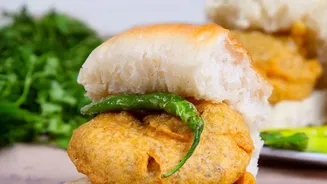
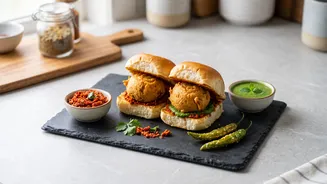
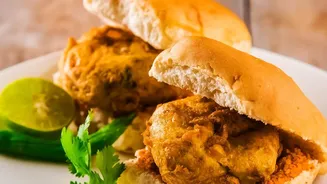
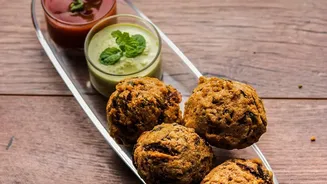
The soul of a great vada is its 'besan' or gram flour coating. Achieving that street-style crispiness that shatters with every bite is an art, but one that is easy to master. The key is consistency. Your batter should not be too thick, which leads to a doughy,
heavy coating, nor too thin, which will result in a flimsy, oily layer that fails to properly encase the potato filling. The ideal batter should be smooth, lump-free, and just thick enough to coat the back of a spoon. Whisking the batter for a few minutes incorporates air, making the final product lighter.
The Secret to Ultimate Crispiness
To elevate your coating from simply good to exceptionally crispy, there are two simple but effective secrets used by street vendors and seasoned home cooks alike. First, add a tablespoon or two of rice flour or cornflour to your besan. This addition dramatically increases the crunch factor. Second, a tiny pinch of baking soda or a teaspoon of hot oil whisked into the batter just before frying can make a world of difference. The baking soda helps the batter puff up and become lighter, while the hot oil helps in creating a crispier, less oily shell. Allowing the batter to rest for 15-30 minutes before frying also helps improve its texture.
Frying for a Golden Crunch
Your frying technique is just as crucial as the batter itself. The oil must be heated to the right temperature—medium-hot is ideal. If the oil is not hot enough, the vada will absorb too much oil and become soggy. If it's scorching hot, the outside will burn before the potato inside is properly heated. A good test is to drop a small amount of batter into the oil; it should sizzle immediately and rise to the surface without browning too quickly. Fry the vadas on a medium flame, turning occasionally until they are an even golden-brown. For an extra-crispy finish, some vendors double-fry the vadas: once until cooked, and a second time briefly in hotter oil just before serving.
Variation 1: The Schezwan Vada Pav
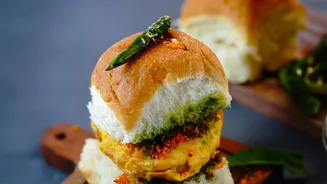
Once you've mastered the classic, it's time to experiment. The Schezwan vada pav is a fiery and flavourful Indo-Chinese take on the original. The twist happens in the potato filling. When preparing the 'aloo masala', add a generous spoonful of Schezwan sauce, a dash of soy sauce, and finely chopped spring onions. This creates a tangy, spicy filling that pairs wonderfully with the crisp besan coating. The vada is then placed in the pav, often with a drizzle more of Schezwan sauce instead of the traditional chutneys for an extra kick.
Variation 2: The Cheese Burst Vada Pav
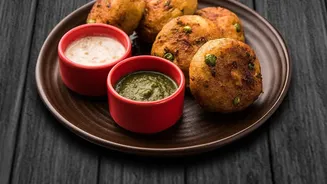
For those who can't resist a bit of indulgence, the cheese burst vada pav is a guaranteed crowd-pleaser. The concept is simple but brilliant: a molten cheese core inside the spicy potato vada. To make this, simply flatten your potato mixture ball, place a small cube of mozzarella or a processed cheese block in the centre, and carefully enclose it, ensuring the potato mixture completely covers the cheese. Then, dip it in your crispy batter and fry as usual. When you bite into the hot vada, you're greeted with a satisfying stream of melted cheese, cutting through the spice perfectly.
Variation 3: The Jain Vada Pav
Catering to dietary preferences, the Jain vada pav offers a delicious alternative by swapping out the potato. Since Jain cuisine avoids root vegetables, the filling for this variation is made from raw bananas. The bananas are boiled, mashed, and spiced in a similar fashion to the potato filling, with ginger, green chillies, and classic Indian spices creating a savoury and flavourful core. When coated in the same crispy besan batter and fried, it creates a vada that is remarkably similar in texture and just as delicious, ensuring no one misses out on this iconic snack.