


What is Monsoon Slow Travel?
For decades, travel was about ticking off as many sights as possible in the shortest time. Slow travel flips that script. It’s a mindset that prioritises depth over distance, connection over checklists. Instead of a frantic week-long tour of three towns,
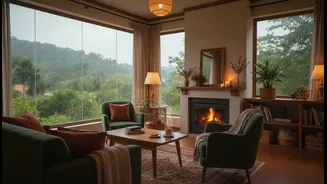
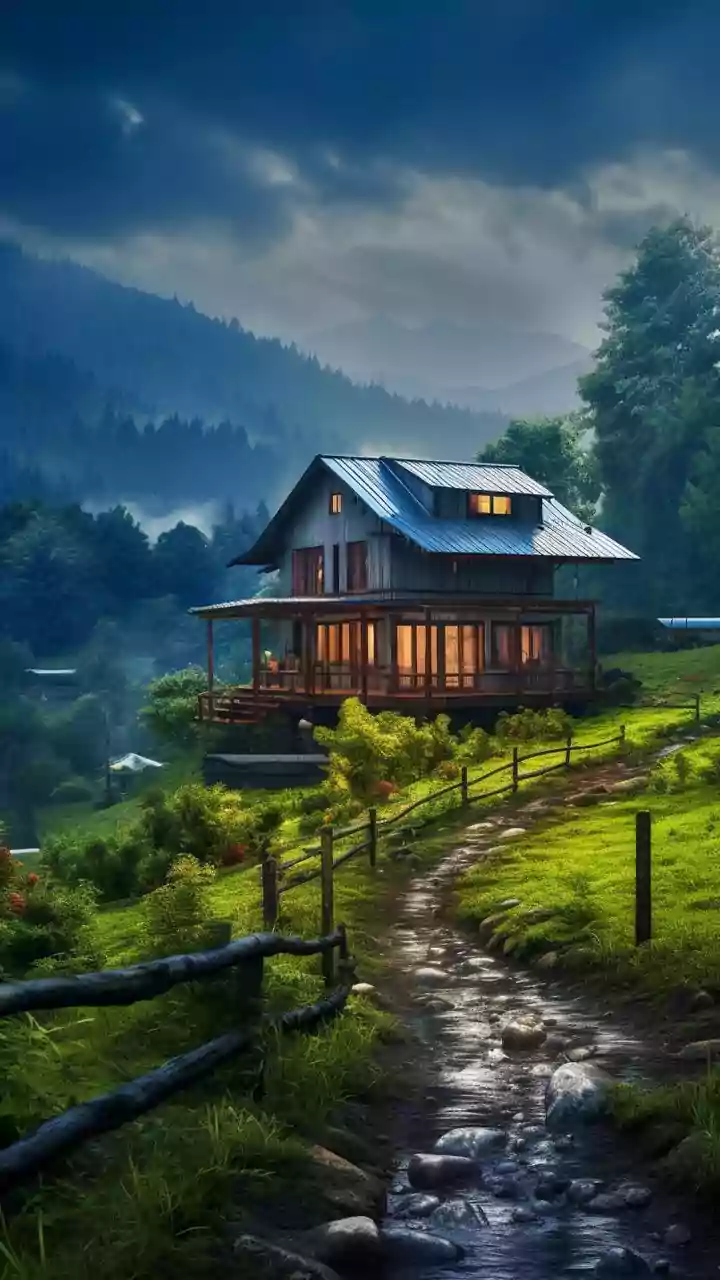
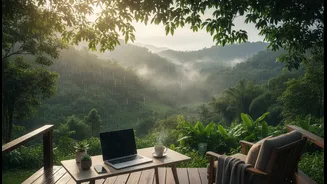
a slow traveller might spend that entire week in one place, soaking in the local rhythm. Applying this to the monsoon season in India’s hill towns creates a unique experience. The season itself encourages a slower pace; the rains invite you to pause, read a book on a misty verandah, and trade sightseeing for conversations. It’s about experiencing a place as it truly is, away from the peak-season rush.
The Allure of the Off-Season
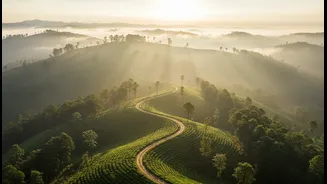
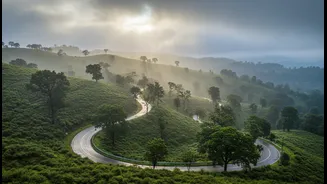
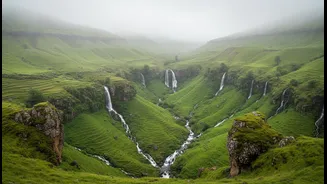
One of the biggest draws of monsoon travel is the transformation of the landscape. Hillsides in the Western Ghats and the Himalayas explode into vibrant shades of green, waterfalls appear where there were none, and misty clouds hang low over valleys. Beyond the visual appeal, there are practical benefits. The usual tourist crowds thin out, leading to a more peaceful and authentic experience. This also means better prices on accommodation and tours are often available. For many, it's a chance to see popular destinations like Munnar, Coorg, or Mussoorie in a completely different light, without the queues and the noise.
From the Ghats to the Himalayas
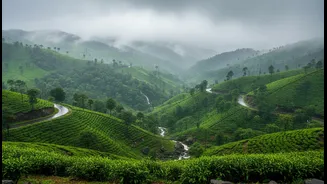
This trend isn't confined to one region. In the south, the rolling tea gardens of Munnar and Wayanad in Kerala, and the coffee plantations of Coorg in Karnataka, become lush paradises. The drive through the Western Ghats to destinations like Lonavala and Mahabaleshwar is often as memorable as the stay itself. In the north, while some areas pose landslide risks, hill stations like Mussoorie, Almora, and Shimla offer breathtaking views and a cool, pleasant climate. Recent data shows a significant surge in searches for destinations like Rishikesh and Mussoorie during the monsoon, indicating a clear shift in traveller preferences toward experience-led trips focused on wellness, nature, and spirituality.
A Deeper Connection Through Homestays
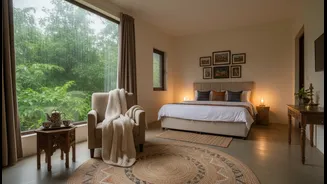
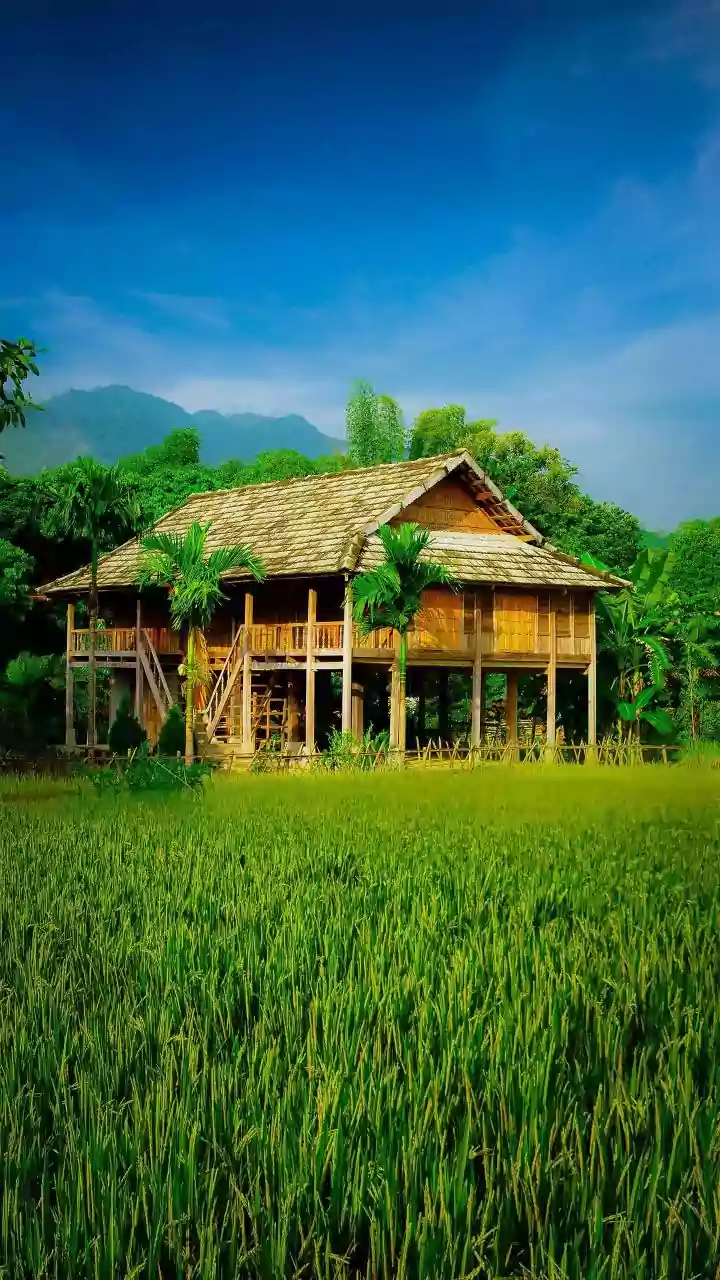
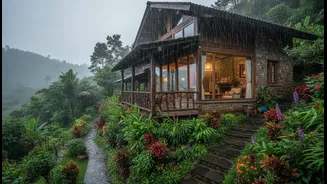
The rise of slow travel is closely linked to the growing popularity of homestays. Opting for a homestay over a hotel provides a direct line to local culture. It's an opportunity to share a meal with a local family, learn about their customs, and get insider tips on the best-kept secrets of the area. This shift is also fuelling local economies in a more distributed way. As travellers seek more authentic experiences, tourism revenue is moving from concentrated urban hubs to rural and semi-rural areas, supporting small entrepreneurs and families, particularly during the traditionally lean monsoon season.
The New Era of Mindful Travel
Ultimately, the slow travel movement is a reaction against the burnout of modern life. It reflects a growing desire among Indian travellers to disconnect, reset, and find meaning rather than just motion. The monsoon, with its natural cadence of slowing down, provides the perfect backdrop for this new philosophy. It encourages travellers to find joy in simple moments: the smell of wet earth, the sound of rain on a tin roof, a hot cup of chai while watching the clouds roll by. It’s less about escaping life and more about returning to a more mindful, deliberate way of experiencing the world and ourselves.