





More Than Just Numbers
In Bengaluru, an innovative, year-long exhibition is rethinking how we talk about food. Titled 'CALORIE', the event at Science Gallery Bengaluru is not your typical health fair with charts and diagrams. Instead, it's an immersive experience that blends
art, science, and culture to explore humanity's complex relationship with what we eat. The goal isn't to demonise certain foods or promote restrictive diets, but to foster a deeper, more critical understanding of nutrition, especially among young adults aged 15 to 28. By moving the conversation beyond a simple count of calories, the exhibition aims to equip young people with the tools to navigate our modern food environment with confidence and curiosity.
A Visual and Artistic Approach
The 'CALORIE' exhibition uses a range of thought-provoking art installations and interactive displays. For instance, one artist uses discarded keyboards to grow ragi, visually connecting Bengaluru's agricultural past with its tech-centric present. Another exhibit explores geophagy, or the practice of eating earth, showcasing different clay varieties consumed globally. There are also installations that delve into the social and political dimensions of food, such as the link between food and caste, and the history of specific communities like Mumbai's Koli fishers. This visual and narrative-driven approach is powerful. Studies show that visual aids can significantly improve nutritional knowledge and positively shift attitudes, especially in young people. By making concepts tangible and relatable, the exhibition turns abstract ideas about nutrition into memorable experiences.
The Urgent Need for Food Literacy
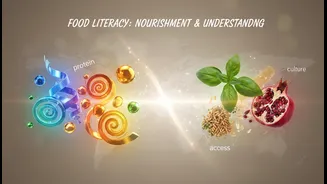
This initiative arrives at a critical time for India. The nation faces a dual burden of malnutrition and a rise in lifestyle-related diseases like diabetes and obesity, particularly among urban youth. Many young Indians report having limited or fragmented knowledge about nutrition. A survey found that while many are aware of fatigue as a symptom of anaemia, a majority are unaware of other key indicators. Food literacy goes beyond simply knowing what's healthy; it encompasses the skills to plan, select, prepare, and consume food in a way that supports well-being. With the increasing availability of ultra-processed foods, empowering adolescents with the ability to make informed choices is more crucial than ever.
From Awareness to Lasting Habits
The key question is whether awareness from an exhibition can translate into real-world behaviour change. Research on the impact of calorie labelling on menus has shown mixed results, with taste often remaining the most important factor for adolescents. However, 'CALORIE' aims to do something different. It's not just presenting information; it's fostering critical thinking and engagement through workshops, film screenings, and discussions over its year-long run. Organisers hope this sustained engagement will spark curiosity and empower young people to question, experiment, and shape their own ideas about food and health. By focusing on cultural relevance and participation, the exhibition stands a better chance of influencing long-term habits than a simple list of dietary rules.