
The Sweet Taste of Tradition
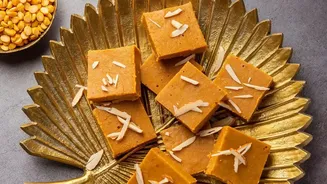
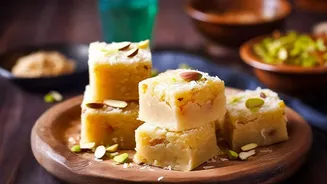
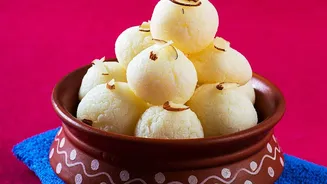
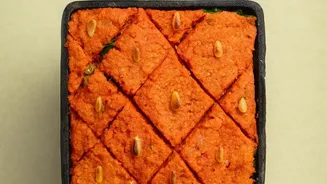
For generations, the language of celebration in India has been spoken through mithai. Be it the ghee-laden richness of a Mysore Pak, the delicate texture of Kaju Katli, or the syrupy delight of a Gulab Jamun, these sweets are woven into the fabric of our
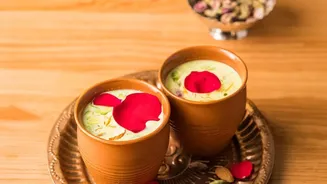
culture. They mark festivals like Diwali, seal the joy of weddings, and sweeten family gatherings. Traditionally made with ingredients like milk, sugar, flour, and nuts, and flavoured with cardamom, saffron, or rose water, mithai represents a comforting and nostalgic taste of home for millions. This deep emotional connection is precisely why their recent evolution is so fascinating.
A Fusion of Global Flavours
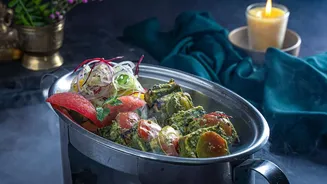
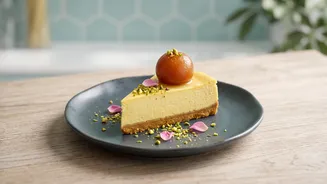
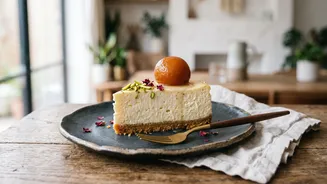
The mithai box of today tells a new story. Alongside the classics, you might find a besan truffle, a coffee-infused ladoo, or a barfi layered with salted caramel. This new wave of gourmet mithai blends Indian techniques with global culinary trends. Artisanal sweet makers and home chefs are experimenting boldly, introducing flavours like matcha, hazelnut, and cheesecake into traditional recipes. Brands are creating everything from paan-flavoured pistachio ladoos and tiramisu barfis to gulab jamun cheesecakes, transforming familiar sweets into something entirely new yet recognisably Indian. The result is a delightful surprise for the palate, where the comfort of the old meets the excitement of the new.
The Drive Towards Healthier Indulgence
This creative explosion isn't just about taste; it's also driven by a growing consciousness around health and wellness. Many consumers are now seeking sweets that offer indulgence without the guilt. In response, a new generation of mithai makers is swapping refined sugar for natural alternatives like jaggery, honey, and dates. There's a renewed focus on high-quality, natural ingredients, such as pure desi ghee, nuts, and seeds. Some innovators are even incorporating millets like ragi and jowar into their recipes, adding nutritional value and a unique texture. This allows people to enjoy their favourite festive treats in a form that is both delicious and more mindful of modern dietary preferences.
The Home Chef and the Digital Halwai
While artisanal brands have certainly pushed the boundaries, much of this innovation is bubbling up from Indian homes. Social media platforms have empowered a new generation of home cooks and food enthusiasts to experiment with and share their fusion creations. These digital-age halwais are not bound by tradition, using their kitchens as labs to develop unique recipes, from chocolate brownie barfis to mango-flavoured shrikhand cheesecakes. Their beautifully photographed creations gain traction online, inspiring others and creating a vibrant, community-led movement that is redefining what mithai can be. This democratisation of sweet-making is helping to make gourmet, fusion mithai more accessible than ever before.
Reinventing Tradition, Not Replacing It
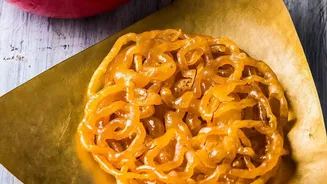
This trend is not about abandoning the ladoos and jalebis of our childhood. Instead, it represents a confident reinterpretation of Indian culinary heritage for a contemporary audience. By infusing classic sweets with new ideas, these creators are ensuring that mithai remains relevant and exciting for a new generation of consumers who have global palates. This evolution preserves the emotional familiarity of festive flavours while introducing new textures and formats. It is a sign of a dynamic food culture, one that honours its roots while fearlessly embracing the future, ensuring that the humble mithai will continue to be a centrepiece of Indian celebrations for years to come.