




Why the Monsoon Demands Vigilance
While the rains are a welcome sight, the increased humidity and moisture create a perfect breeding ground for bacteria, viruses, and fungi. Water-borne diseases like cholera, typhoid, and gastroenteritis see a sharp spike during this season. Our digestive
system also tends to slow down in the humid weather, making us more susceptible to stomach upsets, indigestion, and bloating. Foods that are perfectly safe during other seasons can become risky. Contamination can happen at any stage—from the farm where vegetables are grown in muddy water to the market where they sit exposed to damp air, and even in your kitchen if not handled correctly.
Embrace the 'Freshly Cooked' Philosophy
This is the season to fall in love with home cooking. When you prepare meals at home, you control the entire process: the quality of the ingredients, the cleanliness of the water used for washing and cooking, and the overall hygiene of the preparation. Street food, as tempting as it is, poses a significant risk. Vendors often use water from uncertain sources, and food may be left exposed to flies and environmental contaminants for long periods. Even pre-cut fruits and salads sold in stores can be risky, as the exposed surfaces are magnets for microbial growth. Opting for hot, freshly prepared meals minimizes the window for contamination and ensures your food is safe to consume.
Your Monsoon-Proof Shopping Guide
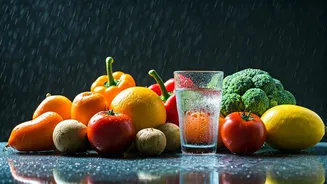
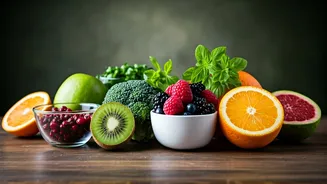
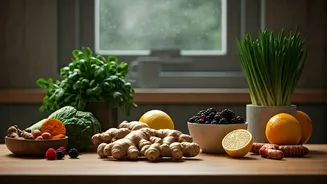
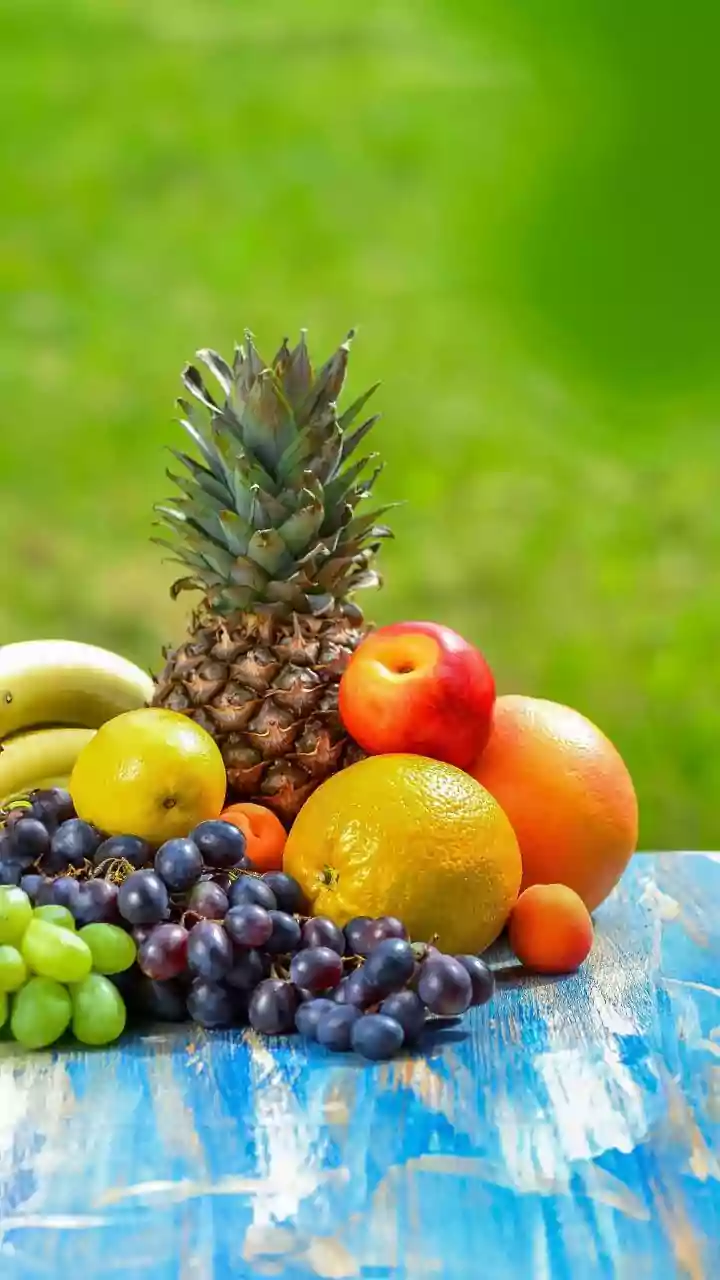
Navigating the vegetable market requires a little extra wisdom during the rains. It's best to favour seasonal vegetables like lauki (bottle gourd), karela (bitter gourd), tinda (Indian round gourd), and parwal (pointed gourd). These vegetables have a high water content and are easy to digest. Spices with immune-boosting properties, such as turmeric, ginger, and garlic, should be your kitchen staples. They not only add flavour but also help fight off infections. When it comes to fruits, choose those with thick peels like pomegranates, bananas, and apples. Wash them thoroughly and peel them yourself right before eating. This reduces the risk of consuming contaminants that may be present on the skin.
Foods to Approach with Caution
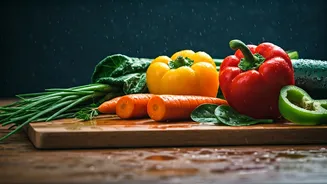
Certain foods, while healthy, become high-risk during the monsoon. Leafy green vegetables like spinach and cabbage are chief among them. The folds in their leaves can trap dirt, mud, and germs that are difficult to wash away completely. If you must have them, blanch them in hot water before cooking. Seafood, especially fish and prawns, can also be problematic. The monsoon is the breeding season for many fish, which can affect their quality. Furthermore, the risk of water contamination is high. It's safer to limit seafood consumption or ensure it's sourced from a highly reliable vendor and cooked until piping hot. Similarly, dairy products like paneer should be consumed fresh and from a trusted source, as they spoil quickly in the humid climate.
Simple Habits for a Healthy Season
Beyond choosing the right foods, a few simple habits can make a huge difference. Always wash your hands with soap before preparing food and before eating. Use a vegetable wash or a solution of vinegar and water to clean produce thoroughly. Avoid eating raw food as much as possible; cooking kills most harmful microorganisms. Ensure your drinking water is either boiled or purified. Lastly, try to eat light. Heavy, oily, and fried foods put extra strain on your already sluggish digestive system. Opt for soups, stews, and steamed or grilled dishes that are nourishing yet easy on the stomach.