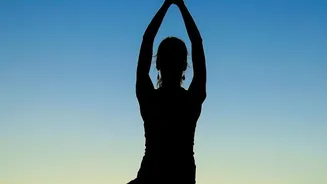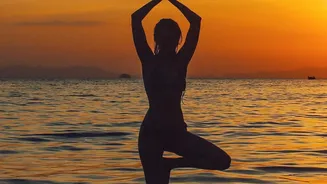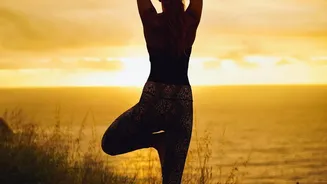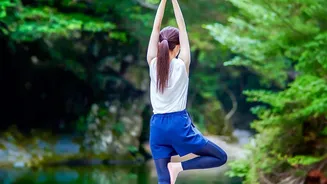

The Foundation: Classic Tree Pose (Vrksasana)
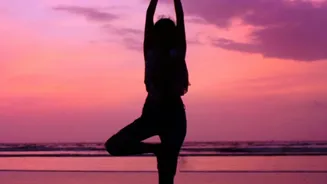
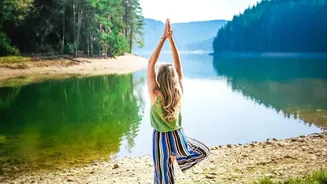
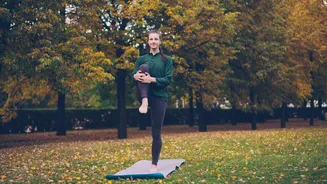
Before exploring variations, it is essential to understand the classic Tree Pose. Start by standing tall in Mountain Pose (Tadasana), with your feet together and arms at your sides. Shift your weight onto your left foot, grounding it firmly into the mat.
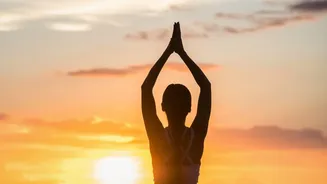
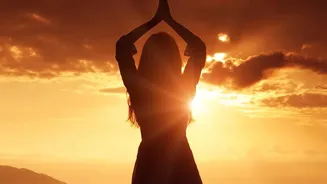
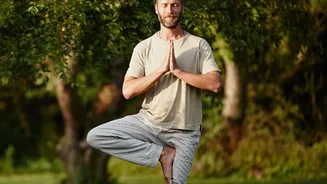
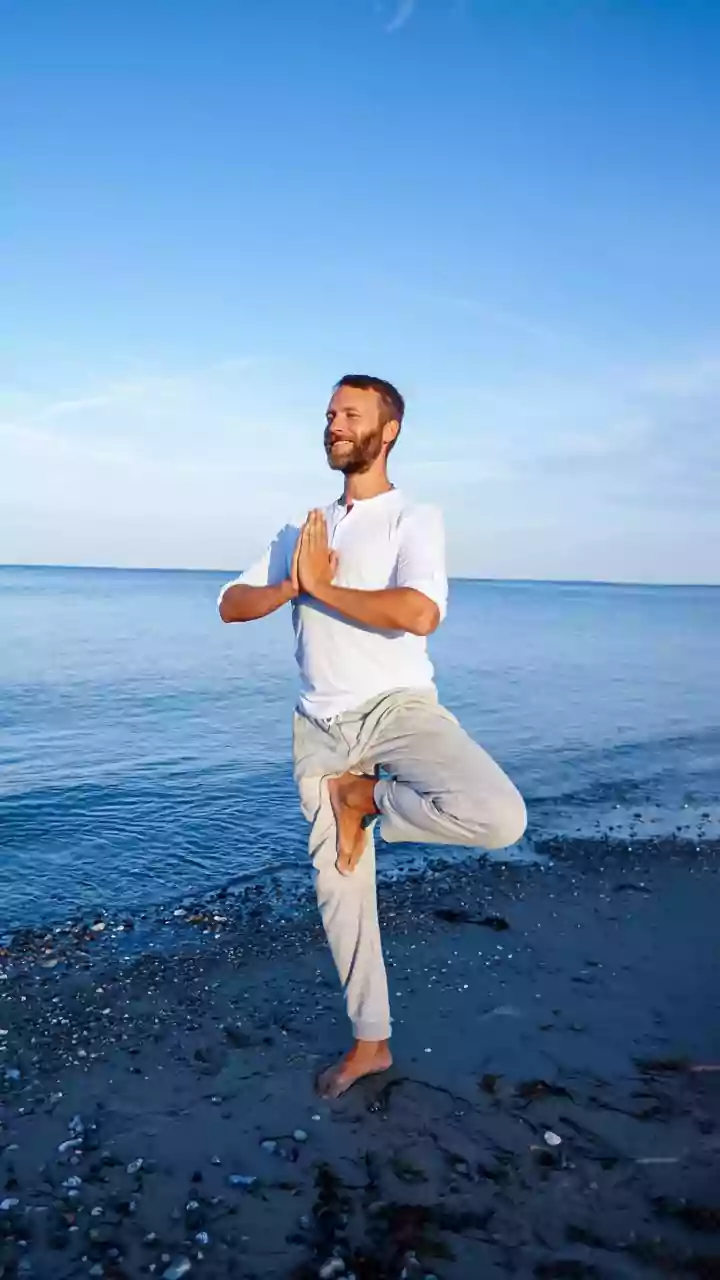
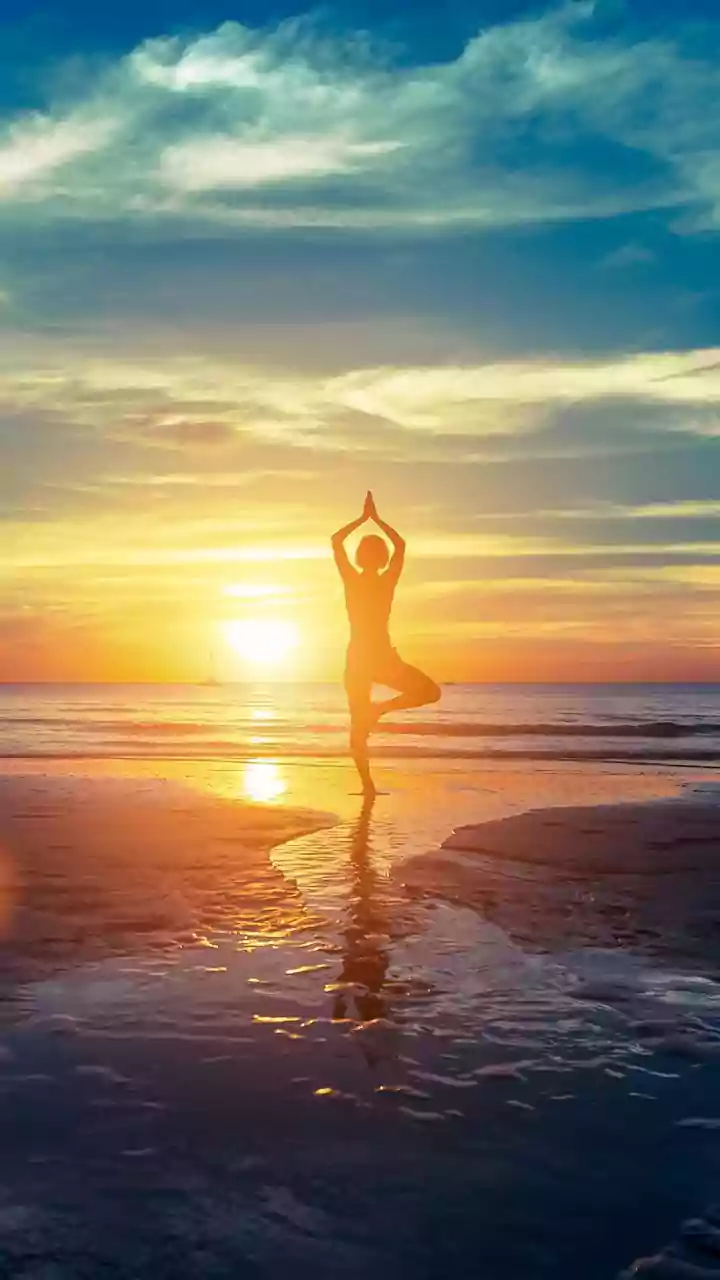
Bend your right knee and place the sole of your right foot on your inner left ankle, calf, or thigh. A crucial rule is to always avoid placing your foot directly on your knee joint, as the pressure can cause injury. Actively press your foot into your leg and your leg back into your foot to create stability. Bring your hands to a prayer position at your heart or extend them overhead like branches. Find a fixed point in front of you to gaze at—your 'drishti'—to help maintain balance. Hold for five to ten deep breaths before gently releasing and switching sides. This foundational pose strengthens the legs, improves posture, and enhances concentration.
For Beginners: The Supported Tree
If you find balancing on one foot challenging, using support is a fantastic way to build confidence and strength. A wall, chair, or even a sturdy countertop can serve as your stability partner. Stand with your chosen support to one side. As you move into Tree Pose on your standing leg, place a hand lightly on the support. This modification allows you to experience the alignment of the pose—the open hip, the engaged core, and the tall spine—without the immediate pressure of maintaining perfect balance. You can start with the 'kickstand' variation, where the toes of your bent leg rest on the floor and the heel rests on the standing ankle. This gives you an extra point of contact and helps you gradually build the strength and awareness needed for the full expression of the pose. As you feel more stable over time, you can rely less on the support until you no longer need it.
For Hip Opening: Half-Lotus Tree Pose
For those comfortable with the classic pose and looking for a deeper hip-opening stretch, the Half-Lotus Tree Pose (Ardha Padmasana in Vrksasana) is an excellent next step. From a standing position, shift your weight to your left foot. Bend your right knee and carefully draw your right foot up, placing the top of the foot on your left hip crease, with the sole facing the sky. This requires significant external rotation in the hip, so it is crucial to listen to your body and avoid forcing the foot into position, which could strain your knee. If you feel any pain, revert to a less intense variation. Initially, you might hold your foot with one hand while bringing the other to your heart. This pose intensely stretches the hip flexors, knees, and ankles while still challenging your balance.
For Core Challenge: Tree Pose with a Side Bend
Once you feel stable and rooted in your Tree Pose, introducing a side bend can add a new dimension of challenge and benefit. Establish yourself in Vrksasana with your arms extended overhead. Inhale to lengthen your spine, and as you exhale, begin to lean your upper body to one side. For instance, if your right leg is lifted, you might lean to the right, creating a long, sweeping line of energy from your extended arms down your left side. This variation, sometimes called Bending Tree or 'Leaning Tree', deeply engages your core and oblique muscles as they work harder to maintain your center of gravity. The added movement tests your stability and focus, reminding you that balance is not about rigid stillness but about making constant, subtle adjustments.
For Expression: Arms and Hand Variations
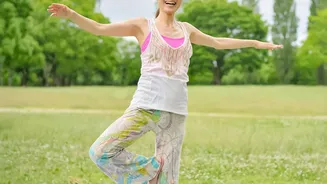
The legs may form the 'trunk' of your tree, but your arms are the branches, and they can be expressed in many ways. While prayer hands (Anjali Mudra) and arms overhead are classic, playing with different arm positions can change the feel of the pose entirely. For a more energizing effect, you can try opening your arms out to the sides, parallel to the floor, as in Twisted Tree Pose. This adds a gentle twist through the torso, further challenging your balance. You could also explore different hand gestures, or mudras, to cultivate a specific intention. Another option is 'Windy Tree', where you allow your arms and hands to sway gently as if moved by a breeze, which encourages a softer, more fluid approach to balancing. These variations not only add a creative element but also stretch the shoulders and chest in different ways.