




Start with Superior Drainage
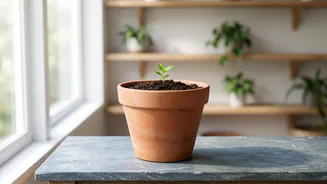
The single most important defence against waterlogging is proper drainage. Before the rains arrive, take the time to inspect every pot. Ensure each one has multiple drainage holes at the bottom. Over time, these holes can get clogged with soil or roots.
Use a small tool to clear any blockages. If a pot lacks sufficient holes, you can carefully drill more. For materials like terracotta, soaking the pot slightly before drilling can help prevent cracking. Also, avoid placing pots inside decorative containers that don't have their own drainage, as this will trap water.
Choose the Right Potting Mix
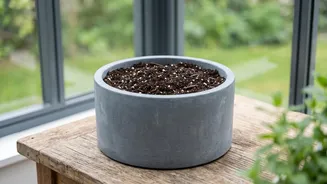
The soil you use is just as crucial as the pot itself. Heavy, dense soil, like garden soil, retains too much water for containers. Instead, opt for a light, well-draining potting mix. These mixes are specifically designed for containers and often include ingredients like cocopeat, compost, and perlite or vermiculite. These materials create air pockets in the soil, allowing excess water to flow through while retaining enough moisture for the roots. If your existing pots have compacted soil, gently loosening the top layer can improve its ability to drain.
Elevate Your Pots
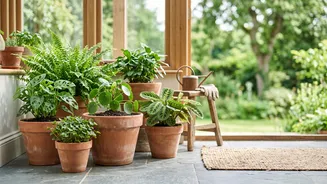
A simple yet highly effective trick is to lift your pots off the ground. Placing pots directly on the balcony floor can prevent water from escaping freely, especially if the drainage holes are flush with the surface. Use pot feet, bricks, or even simple bottle caps to create a small gap underneath each container. This elevation allows air to circulate and ensures water can drain away without obstruction, preventing the pot from sitting in a puddle after a heavy shower.
Avoid the Gravel Myth
It’s a long-standing piece of gardening advice to add a layer of gravel or broken pottery shards to the bottom of a pot to improve drainage. However, modern horticulture experts advise against this. This layer can actually create a 'perched water table,' where water collects in the soil just above the gravel, keeping the root zone wetter for longer. Instead of adding a coarse layer, it's better to use a high-quality, well-draining potting mix throughout the entire container.
Adjust Your Watering Schedule
During the monsoon, you need to rethink your watering routine. With high humidity and frequent rainfall, your plants will need significantly less water from you. Always check the soil before watering. A good rule of thumb is to insert your finger about two inches into the soil; if it feels moist, hold off on watering. Remember that the signs of overwatering—like yellowing or wilting leaves—can sometimes mimic the signs of underwatering. Checking the soil moisture is the only sure way to know what your plant needs.
Provide Shelter and Airflow
If possible, move more delicate plants to a sheltered part of your balcony, such as under an overhang, to protect them from the most intense downpours. Strong winds can also be an issue, so providing support with stakes might be necessary for taller plants. Good air circulation is also key to preventing fungal diseases, which thrive in damp conditions. Avoid overcrowding your pots; giving them adequate space allows air to move freely, helping the soil and foliage dry more quickly.
Emergency Rescue for Waterlogged Plants
If you find a plant already sitting in soggy soil, act fast. First, move it to a sheltered spot and stop watering immediately. Gently tilt the pot to help excess water drain out. You can use a skewer to carefully poke some holes into the soil to introduce air. If the plant is severely waterlogged and showing signs of root rot (like a sour smell or mushy stems), you may need to repot it. Gently remove the plant, trim any brown, mushy roots, and place it in a new pot with fresh, dry, well-draining soil.