






Rule 1: Choose Soft-Sided Luggage
Hard-sided suitcases may look sleek, but they are rigid and unforgiving in a tight space. Soft bags like duffels or backpacks are your best friends when packing a small car. Their flexibility allows them to be squeezed into irregular-shaped gaps, maximizing
every available inch. This pliability is crucial for fitting luggage around a spare tire or other awkward trunk contours. Consider assigning each traveler a different colored bag to easily identify everyone's belongings at a glance.
Rule 2: Master the Art of Trunk Tetris
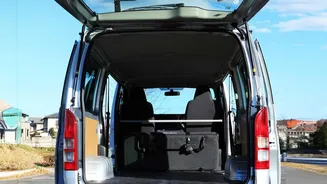
Loading a trunk should be approached like a puzzle. Always start with the heaviest and largest items, placing them at the bottom and as close to the center of the car as possible. This helps with vehicle stability and handling. Once you have a flat base layer, you can begin to stack lighter items on top. Don't be afraid to think vertically, but never stack items so high that they obstruct your view out of the rear window.
Rule 3: Use Packing Cubes for Compression
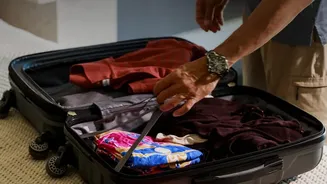
Packing cubes are a game-changer for organization and space-saving. Grouping clothing into these smaller zippered bags helps compartmentalize your luggage and makes finding specific items much easier. More importantly, many packing cubes have a compression feature that squeezes out excess air, significantly reducing the volume of your clothes. Rolling your clothes before placing them in the cubes not only saves space but also helps prevent wrinkles.
Rule 4: Pack in Reverse Order of Need
Think about what you'll need first when you arrive at your destination. Those items should be the last things you pack. Luggage and gear that you won't touch until you check in should go in first, pushed to the back of the trunk. Any bags for a quick overnight stop on the way, or items like jackets you might need if the weather changes, should be easily accessible. This prevents you from having to unload the entire trunk just to find one item.
Rule 5: Keep an In-Cabin Essentials Bag
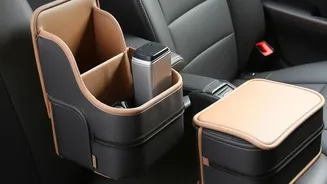
Not everything belongs in the trunk. To avoid dangerous distractions while driving, keep a dedicated 'go-bag' in the passenger cabin. This bag should contain everything you might need while on the road: snacks, water, phone chargers, hand sanitizer, tissues, medications, and sunglasses. This keeps high-use items within arm's reach for passengers and ensures the driver can stay focused on the road.
Rule 6: Fill the Gaps and Hidden Spaces
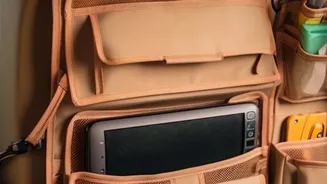
Once the main bags are in, it’s time to fill the empty pockets of space. Small, flexible items like blankets, pillows, or jackets are perfect for tucking into the gaps around larger luggage. Don’t forget about the other hidden storage spots in your car, such as the pockets on the back of the front seats or the space under them. These nooks are perfect for stashing smaller items like books, water bottles, or slim electronics.
Rule 7: Be Strategic with Clothing and Toiletries
For a four-day trip, you don't need your entire wardrobe. Focus on packing versatile clothing items that can be mixed and matched to create multiple outfits. Think three to four tops, two bottoms, and one jacket or sweater. When it comes to toiletries, opt for solid versions like shampoo bars to avoid bulky bottles and potential leaks. Grouping all personal care items in one clear bag also makes them easy to grab for a quick refresh at a rest stop.