







The First Rule: Act Immediately
The moment you realise an item is missing, your chances of a quick recovery are highest. If you are still in or near the gate area, do not proceed to baggage claim or the exit. Immediately find the airline's gate agent who handled your flight. They are your best
and only initial point of contact. They can communicate with the cabin crew or cleaning staff who are likely still on the aircraft. Because planes operate on tight turnaround schedules, this window of opportunity is very small, often less than 30 minutes. If you've already reached the arrivals hall, locate the airline’s baggage services or ticketing desk and report the loss there.
Why You Can’t Just Go Back Onboard
Once a passenger deplanes and enters the terminal, they have officially exited a secure, sterile zone. For security reasons, re-entry is strictly prohibited. Aviation security agencies, like the Central Industrial Security Force (CISF) in India, are responsible for maintaining the integrity of these controlled areas. Allowing passengers to walk back onto an aircraft would create a security loophole. It's not about suspecting an individual, but about upholding a strict protocol that eliminates any potential risk, no matter how small. Therefore, even if you are only a few steps into the terminal, the gate agent will not permit you to go back down the aerobridge yourself.
Best Case: The Plane Is Still At The Gate
If you alert the gate agent quickly, they may be able to radio the crew who are preparing the cabin for its next flight. If the crew finds your item, they can pass it to the gate agent for you to collect. This is the simplest and fastest resolution. However, if the deplaning process is complete and the doors are closed for the next departure, this option is no longer available. The item, if found by cleaning crews, will be handed over to the airline's ground staff.
Next Step: Filing A Formal Report
If your item wasn't retrieved at the gate, you must file a formal lost item report. Do not just call a generic customer service number. Most airlines have a dedicated online form for items left on an aircraft. Be as detailed as possible in your description: include the flight number, date, your seat number, and a thorough description of the item, including brand, colour, size, and any unique marks. A vague report like 'black headphones' is hard to trace, whereas 'black Sony WH-1000XM4 headphones in a grey case with a scratch on the right side' is much more effective. Some airports also have their own Lost and Found department for items found in the terminal, so it's wise to file a report with them too.
Managing Your Expectations
Once an item is found, it is logged and stored at the airline or airport's lost and found office. It can take several days for an item to be processed and appear in the system. Most airlines and airports will hold items for a specific period, typically ranging from 30 to 90 days, after which they may be disposed of or donated. Perishable items are usually discarded within 48 hours. If your item is located, you will be contacted with instructions for collection. Note that Indian airports generally do not courier or post items to passengers; you must collect them in person or, more practically, send an authorised representative with the required documents. This usually includes an authorisation letter and copies of your ID and boarding pass.
A Final Check Can Save The Hassle
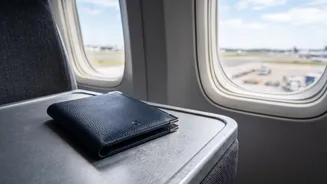
The easiest way to deal with a lost item is to not lose it in the first place. Before you stand up to deplane, make a conscious effort to check everything around you. Look in the seatback pocket, feel under your seat and in the space beside it, and give the overhead bin one last glance. This simple 'threepoint check'—pocket, floor, and bin—takes only a few seconds but can save you hours of stress and paperwork later on. It is a small habit that can prevent that alltoocommon feeling of postflight panic.