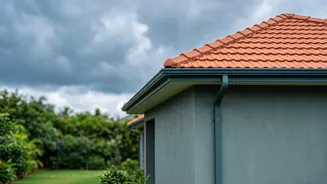







Start From the Top: Roof and Terrace Inspection
Your roof is the primary shield against relentless downpours, making it the most critical area to inspect. Before the monsoon begins, clear your roof and terrace of all debris, including dried leaves and dust, which can block water flow and lead to pooling.
Look for any visible cracks, loose or missing tiles, and damaged seals around vents or pipes. Pay special attention to the joints where parapet walls meet the roof slab, as these are common entry points for water. Applying a quality waterproof coating or sealant to these vulnerable areas can create a robust barrier against leaks.
Secure the Perimeter: Walls and Windows
External walls, especially those with hairline cracks, can allow rainwater to seep in, causing damp patches, peeling paint, and mould growth inside. Inspect your exterior walls thoroughly and fill any cracks with waterproof putty or sealant. Windows are another common culprit for water ingress. Check the sealant around window frames for any gaps or signs of wear and tear. If needed, re-apply a waterproof sealant to ensure a tight seal that keeps wind-driven rain out. Also, ensure the small drainage channels on your window frames are clear of blockages.
Ensure Smooth Flow: Drains and Gutters
Blocked drains and gutters are a primary cause of waterlogging and subsequent seepage into your home's foundation and walls. Before the first heavy rain, it is essential to thoroughly clean all rainwater pipes, roof gutters, and balcony drains. Remove leaves, dirt, and any other debris that could obstruct the smooth flow of water away from your home. Running some water through the system after cleaning is a good way to confirm that everything is draining correctly.
Prioritise Electrical Safety
The combination of water and electricity is extremely dangerous. It's wise to have a licensed electrician inspect your home’s wiring before the monsoon. Pay close attention to any outdoor electrical fittings, ensuring they are properly covered and waterproof. Inside, any switchboards on walls that have shown dampness in previous years should be checked. Never touch switches or appliances with wet hands. It's also a good practice to unplug non-essential electronics during heavy thunderstorms to protect them from power surges caused by lightning.
Manage Indoor Humidity and Furnishings
Even without direct leaks, the high humidity during the monsoon can cause problems indoors. It creates a breeding ground for mould and mildew, which can damage belongings and affect health. To protect wooden furniture, move it a few inches away from walls, especially external ones, to allow for air circulation and prevent moisture absorption. Consider rolling up and storing expensive carpets, which are highly susceptible to moisture damage. Using moisture absorbers like silica gel in wardrobes and cabinets can help keep clothes and documents dry.
Prepare Your Outdoor Spaces
Don't forget about your balconies, patios, and garden areas. Strong monsoon winds can turn unsecured items into dangerous projectiles. Anchor or bring indoors any lightweight patio furniture, umbrellas, and potted plants. It's also a good idea to trim any overgrown trees or large shrubs near your house. Weak or dead branches can easily break off in a storm and cause damage to your roof, windows, or vehicles.