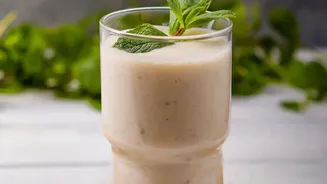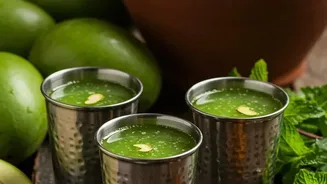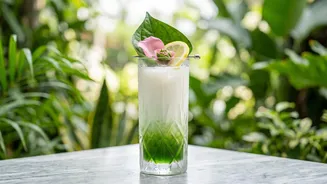

The flavour of paan is an indelible part of Indian memory—a complex, aromatic burst after a meal. Now, that nostalgic taste is being reimagined in a refreshingly modern form: sophisticated, non-alcoholic beverages perfect for any time of day.
A Modern Twist on Tradition
The familiar
after-dinner paan is getting a vibrant new life. Across urban India, cafes and home mixologists are deconstructing its iconic flavours to create a new category of beverages. These are not the syrupy, artificially coloured drinks of the past. Instead, today's paan-inspired coolers, fizzes, and mocktails focus on fresh, natural ingredients, transforming the traditional mouth freshener into a chic, all-day refreshment. This trend is part of a larger movement towards sophisticated non-alcoholic options, driven by health-conscious consumers, particularly millennials and Gen Z, who desire complex and flavourful drinks without alcohol. The appeal lies in the fusion of nostalgia with modern wellness, offering a taste of heritage in a form that feels both new and exciting.
The Floral Heart: Rose and Mint
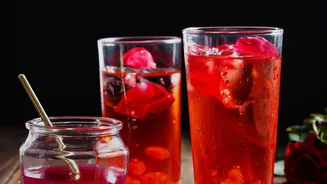
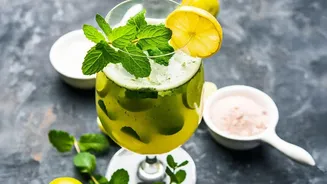
At the core of any good paan-inspired drink are two essential ingredients: rose and mint. Gulkand, a sweet preserve made from Damask rose petals, provides a deep, floral sweetness that is instantly recognizable. This isn't just a simple flavour; it adds a luxurious, aromatic quality that forms the soul of the beverage. Paired with fresh mint leaves, which are often muddled to release their essential oils, the drink gains a cooling, palate-cleansing effect that perfectly balances the sweetness of the gulkand. This combination of floral and herbal notes creates a harmonious base that is both refreshing and complex, evoking the classic meetha paan experience.
A Tropical Touch with Coconut
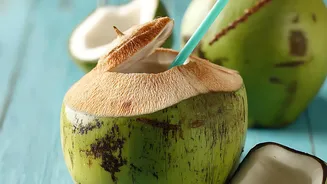
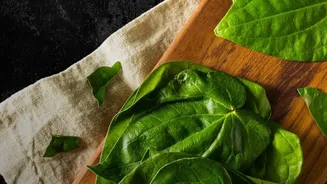
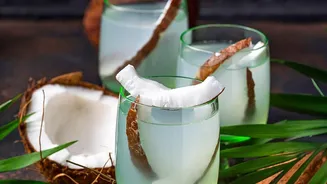
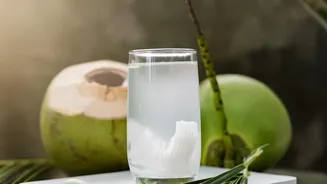
To elevate the drink from a simple cooler to something more substantial, many recipes incorporate coconut. This addition brings a creamy texture and a subtle tropical sweetness that rounds out the sharper notes of betel leaf and spices. Some variations use coconut water for a light, hydrating fizz, while others opt for coconut milk or cream to create a richer, smoothie-like consistency. The coconut acts as a perfect canvas, mellowing the intensity of the paan flavour and making it more accessible. This addition is a masterful stroke, as it adds a layer of smoothness that makes the drink feel both indulgent and refreshing, bridging the gap between a traditional sherbet and a modern mocktail.
The Zesty Finish: A Squeeze of Lemon
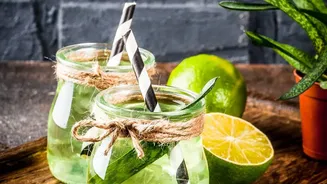
The final touch that brings these beverages to life is a hint of citrus. A squeeze of fresh lemon or lime juice cuts through the sweetness of the gulkand and the creaminess of the coconut, adding a bright, zesty kick. This acidity is crucial; it prevents the drink from becoming too heavy or cloying and enhances the other flavours. The tanginess of lemon balances the aromatic spices and floral rose, creating a multi-layered taste profile that evolves with every sip. Whether it's a paan_flavoured lemonade or a mojito_style cooler, the inclusion of lemon ensures the drink is crisp, invigorating, and supremely refreshing, making it an ideal choice for a hot day or a sophisticated social gathering.
Why This Trend is Here to Stay
Paan_inspired beverages are more than just a fleeting fad; they represent a larger cultural shift. They tap into a deep sense of nostalgia while catering to the modern palate's demand for innovation and wellness. India has a long and rich tradition of non_alcoholic drinks, or sherbets, made from local fruits, flowers, and spices. This new wave of creativity is simply building on that heritage, using contemporary techniques to celebrate homegrown flavours. As consumers increasingly look for unique, 'glocal' experiences, the paan_flavoured drink stands out as a proud expression of Indian culinary identity—proof that tradition can be both honoured and reinvented in the most delicious ways.