


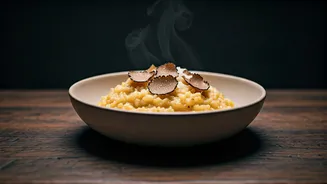


The Soothing Power of Khichdi
There are few dishes in the Indian culinary canon as humble, versatile, and universally beloved as khichdi. Often dismissed as food for the unwell, it is, in reality, a sophisticated canvas for flavour and a direct line to our deepest food memories. When
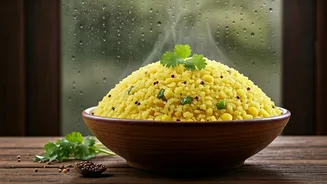
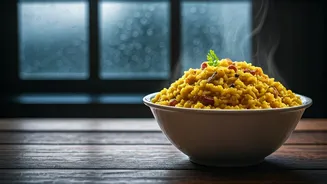
the rain brings a chill to the air, the gentle warmth of a well-made khichdi is unparalleled. It’s a one-pot meal that requires minimal effort for maximum reward, making it the perfect companion for a lazy, rain-soaked afternoon. Made from a simple base of rice and lentils, it’s nourishing for the body and deeply soothing for the soul. This isn’t just food; it’s a ritual, a moment of self-care when the world outside is grey and damp.
Mastering the Rice and Dal Ratio
The heart of any good khichdi lies in the perfect partnership between rice and dal. While there's no single 'correct' ratio, a great starting point is one part rice to one part dal (1:1) for a textured, balanced bowl. If you prefer a gooier, more porridge-like consistency, ideal for a truly gloomy day, try using one part rice to two parts dal (1:2). The choice of ingredients also matters. Short-grain rice like sona masuri works beautifully as it breaks down slightly, lending a creamy texture. For dal, yellow moong dal is the classic choice — it cooks quickly and has a mild, nutty flavour. However, you can experiment with toor dal (for a slightly longer cooking time and more body) or even a mix of dals for more complex flavour.
Building the Flavour Foundation
A great khichdi is deceptively simple, but its flavour is built in careful layers. Start with a spoonful of ghee or oil in a pressure cooker or deep pot. Once hot, add a teaspoon of cumin seeds and let them splutter. This is non-negotiable. Follow with a pinch of asafoetida (hing), which adds a unique savoury depth. Next, sauté finely chopped ginger and green chillies for a minute to release their aroma. Finally, add the non-powdered spice that transforms everything: turmeric. A half-teaspoon of haldi not only gives khichdi its beautiful golden hue but also imparts a subtle, earthy flavour and its well-known anti-inflammatory benefits. This simple sequence is the flavour engine of your dish.
Customising Your Comfort Bowl
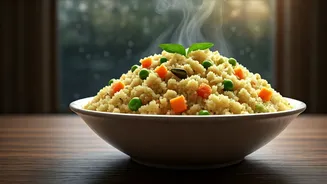
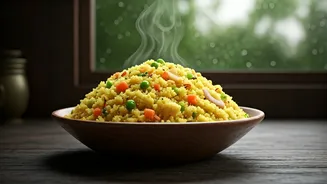
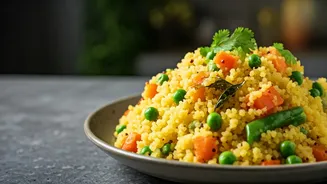
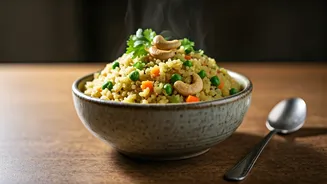
Once you've mastered the base, khichdi becomes your personal playground. This is where you can add vegetables to make it a more complete meal. Hearty vegetables work best. Think small cubes of potato, chopped carrots, green peas, or small cauliflower florets. Add them after sautéing your aromatics and before you add the washed rice and dal. Stir everything together for a minute to coat the vegetables in the spices. You can also play with the spice level. For a richer flavour, consider adding a bay leaf, a small cinnamon stick, or a couple of cloves along with your cumin seeds. For a slight tang, a chopped tomato can be added with the vegetables.
The Finishing Touch: A Glorious Tadka
If the initial spice tempering is the engine, the final tadka is the glorious, high-octane fuel that makes your khichdi sing. This final flourish is what separates a good khichdi from a great one. After your khichdi is cooked and ready, prepare the tadka in a separate small pan. Heat a generous tablespoon of ghee (this is where you don't skimp). Once it’s shimmering, you can add more cumin seeds, a dried red chilli broken in half, and perhaps a pinch of red chilli powder (if you like the heat and colour). Some even add a few curry leaves or sliced garlic. As soon as the spices are fragrant and sizzling — this takes only 30 seconds — pour the entire contents of the pan over the hot khichdi. The dramatic sizzle is the sound of pure bliss. Stir it in, or simply serve with the tadka pooled on top.