







Why the Monsoon Demands Extra Care
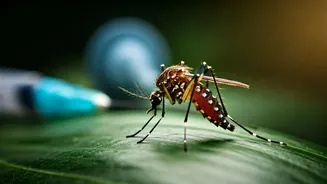
The welcome relief from summer's heat also brings high humidity, waterlogging, and damp conditions. This environment is the perfect breeding ground for harmful microorganisms like bacteria, viruses, and fungi. Mosquitoes, which transmit diseases like dengue
and malaria, multiply rapidly in stagnant water. Furthermore, heavy rains can contaminate public water sources, increasing the risk of water-borne diseases such as typhoid, cholera, and jaundice. The increased moisture in the air allows germs to thrive, making it easier for infections to spread.
Fortify Your Personal Hygiene Shield
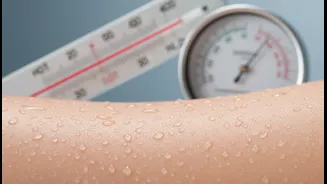
Your first line of defence is a robust personal hygiene routine. Fungal infections are particularly common during the monsoon due to moisture trapped in skin folds and clothing. It's advisable to bathe daily, perhaps even twice a day, using an antibacterial soap. Always dry yourself thoroughly, paying special attention to areas between your toes and other skin folds. Wear loose, breathable cotton clothes instead of synthetics or heavy denims to allow air circulation and prevent sweat from being trapped. If you get caught in the rain, change out of wet clothes immediately. Similarly, don't wear damp shoes or socks; let them dry completely to prevent foot infections like Athlete's Foot.
Rethink Your Monsoon Diet
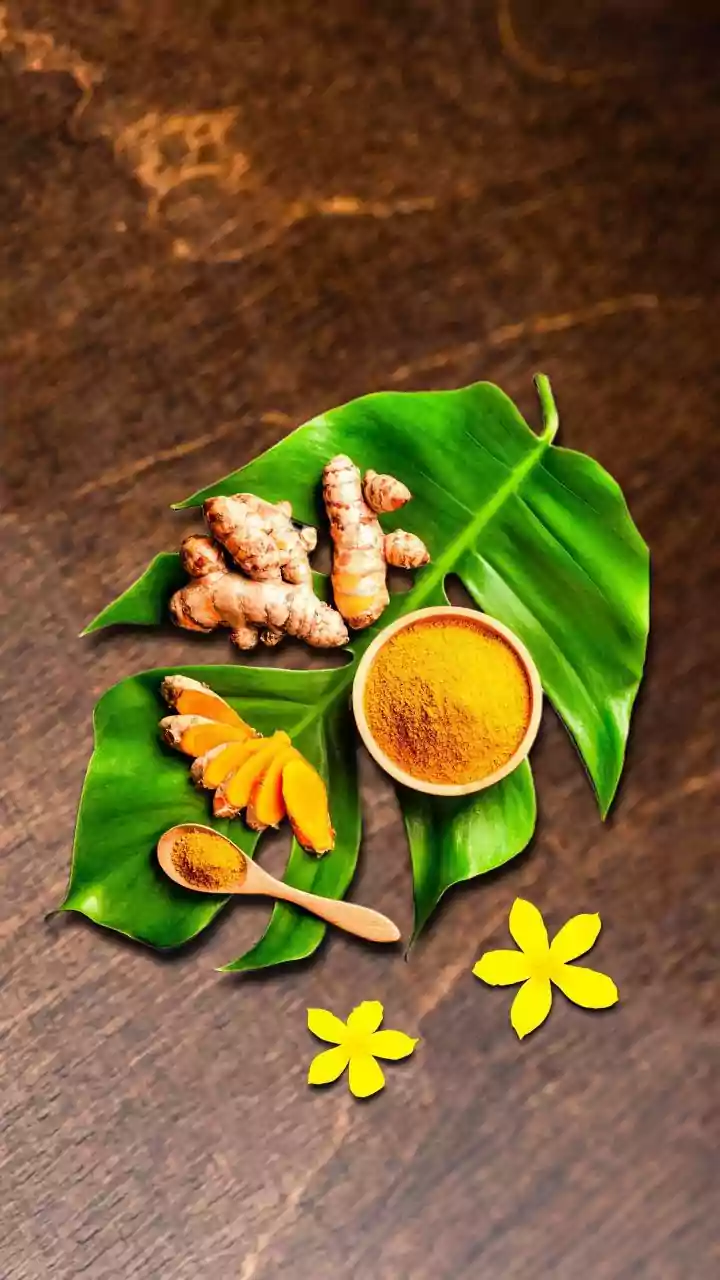
While pakoras and chai are a classic combination, your diet needs a strategic shift this season. The digestive system can be more sensitive, so it's best to opt for light, freshly cooked meals like soups, khichdi, and steamed vegetables. It's crucial to be wary of food and water contamination. Avoid street food, pre-cut fruits, and raw salads, as they carry a higher risk of contamination. Leafy green vegetables can be harder to clean thoroughly, so it might be wise to limit their intake or ensure they are washed meticulously with clean water before cooking. Always drink boiled or filtered water. Incorporating immunity-boosting ingredients like ginger, garlic, and turmeric into your cooking can also help your body fight off infections.
Safeguard Your Home Environment
A clean and dry home is essential for preventing monsoon illnesses. The primary task is to eliminate mosquito breeding grounds. Do not allow water to stagnate in coolers, flower pots, old tyres, or any open containers around your house. Keep your surroundings clean and ensure drains are not clogged. Use mosquito nets while sleeping and install mesh screens on windows and doors to keep insects out. Inside, keep your home well-ventilated to prevent the build-up of humidity, which encourages mould and fungal growth. Regularly clean and disinfect surfaces, especially in the kitchen and bathrooms.
Know the Common Culprits
Being aware of common monsoon diseases helps in taking targeted precautions. Mosquito-borne illnesses like dengue, malaria, and chikungunya often present with high fever, body aches, and chills. Wearing full-sleeved clothing and using mosquito repellents when outdoors can reduce your risk. Water-borne diseases like typhoid and cholera are typically caused by contaminated food and water and manifest as fever, diarrhoea, and stomach issues. Maintaining strict food and water hygiene is the best prevention. Respiratory infections like the common cold and flu also spike due to sudden temperature fluctuations. Keeping yourself dry and avoiding crowded places can help limit exposure.