
The Great Indian Breakfast Debate
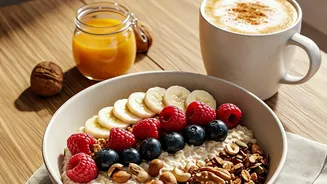
For decades, the breakfast choice for many busy urban families has been a compromise. On one side, the allure of a quick, easy-to-prepare bowl of boxed cereal, marketed as a healthy and convenient start to the day. On the other, the goodness of traditional
Indian breakfasts, which, while nutritious, were often perceived as more time-consuming. However, this perception is changing. A growing consciousness around health and a renewed interest in indigenous foods are tilting the scales. This is especially true as people scrutinise what's really inside that colourful cereal box.
The Millet Renaissance
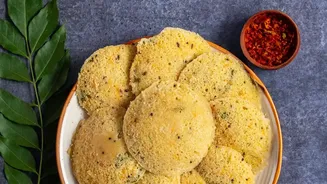
Millets, once dismissed as "coarse grains," are making a powerful comeback. Spearheaded by initiatives like the UN's declaration of 2023 as the International Year of Millets, these ancient grains are being celebrated for their incredible nutritional profile and climate resilience. Grains like ragi (finger millet), jowar (sorghum), and bajra (pearl millet) are moving from rural staples to premium urban health foods. This revival is driven by a desire for foods that are not only good for us but also good for the planet, as millets require less water and inputs than wheat and rice. Health benefits are a primary driver for consumers, with many turning to millets for weight management and overall wellness.
A Nutritional Powerhouse
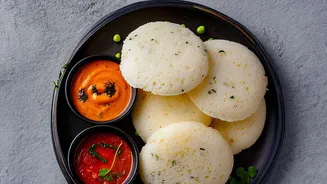
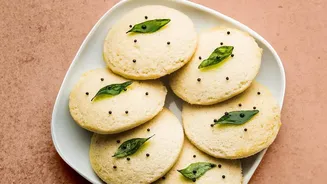
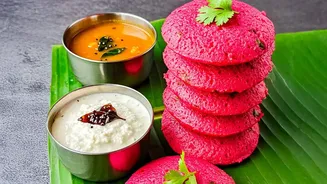
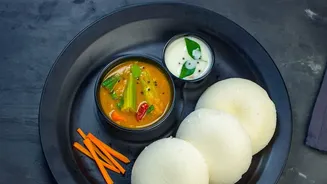
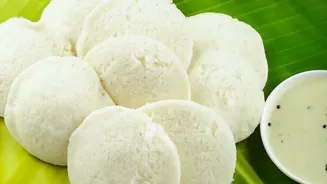
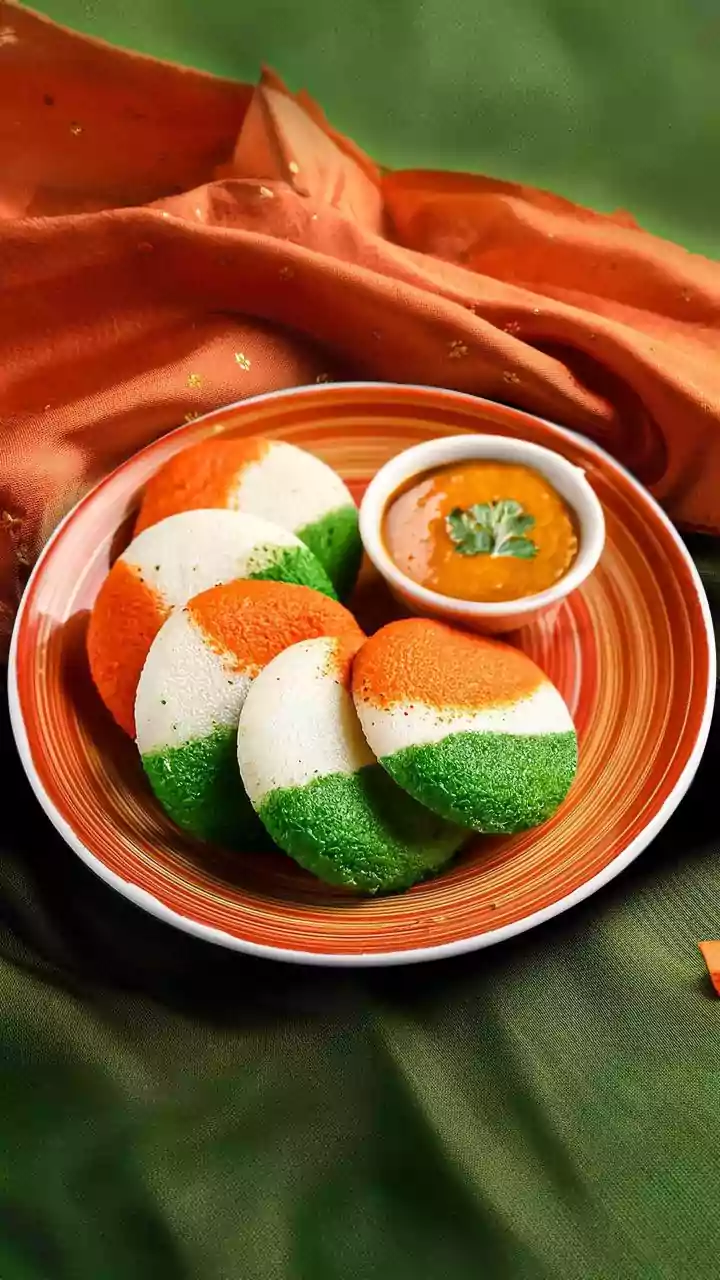
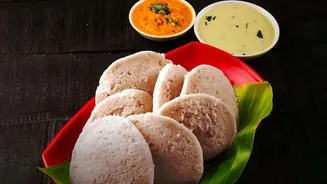
When you compare a plate of steamed millet idlis to a bowl of typical breakfast cereal, the nutritional differences are stark. Millet idlis are naturally rich in dietary fibre, protein, and essential minerals like iron, magnesium, and potassium. Their complex carbohydrates and high fibre content mean they have a low glycemic index, providing a slow and steady release of energy that keeps you full and focused for hours. This prevents the sharp blood sugar spikes often associated with sugary foods, making millets an excellent choice for everyone, including those managing diabetes.
The Trouble with the Cereal Box
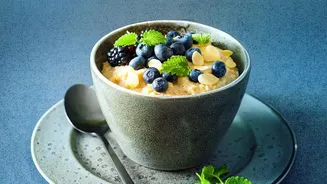
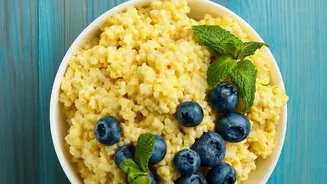
Many popular breakfast cereals, despite their health claims, are ultra-processed foods. They are often loaded with added sugars, refined carbohydrates, and artificial additives, while being low in the fibre and protein that promote satiety. High consumption of such foods is linked to an increased risk of several health issues, including weight gain, type 2 diabetes, and heart disease. The extrusion process used to create those fun shapes often involves high heat that can diminish the natural nutrients of the grains. While they may be fortified with vitamins and minerals, the overall package is often less healthy than the marketing suggests.
More Than Just a Health Trend
The move towards millet idlis isn't just about nutrition; it's also a cultural shift. It represents a return to culinary roots and an appreciation for the natural, clean flavours of traditional Indian cuisine. Fermented batters, like those used for idlis, are inherently good for gut health and are made without preservatives or artificial additives. This trend is visible not only in home kitchens but also on cafe menus and delivery platforms, which are increasingly offering health-focused traditional meals. As urban consumers become more discerning, they are seeking out foods that offer both nourishment and a connection to their heritage, a need that the humble but mighty millet idli perfectly fulfils.