





The Old Guard of Dining Falls Away
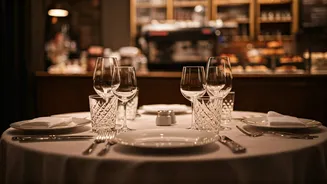
For decades, a 'fancy' meal out in urban India meant a specific kind of experience: hushed tones, rigid service, a multi-fork setup, and an unspoken dress code. Fine dining was an event, often reserved for the most special of occasions. But today, diners
are increasingly finding this model outdated. While fine and luxury dining formats have seen a recent surge, the dominant preference is shifting. A recent report highlighted that nearly two-thirds (63%) of Indian diners now favour quick, casual experiences over formal ones. This isn't about rejecting quality; it's about rejecting the rigid structure that traditionally came with it.
Meet the 'Smart Casual' Diner
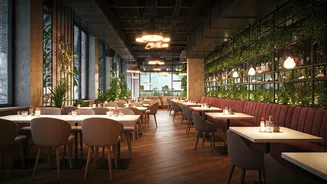
Driving this change is a new generation of urban diners—primarily millennials and Gen Z—who are well-travelled, digitally savvy, and knowledgeable about food. For them, dining out is less a rare event and more a regular social activity. This demographic values experiences and authenticity over pomp. They want to eat at places that reflect their identity—be it sustainable, community-focused, or just comfortably cool. The experience is as important as the food itself, with 65% of Indian guests preferring experience-led dining that involves everything from the ambiance and music to storytelling and chef interactions. This new diner is confident, curious, and wants food that is both high-quality and approachable.
Redefining the Menu: Innovation Meets Comfort
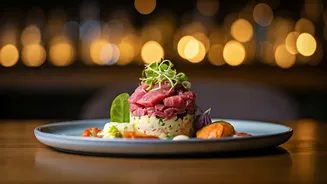
This shift is fundamentally changing what's on the plate. The focus is on what restaurateur Aditi Dugar calls the gap between casual and fine dining: the same quality food but in a relaxed setting. This has given rise to a boom in gastropubs, bistros, and chef-driven casual eateries. The menu is moving towards smaller, shareable plates, allowing for more variety and social interaction. There's a strong emphasis on authentic regional Indian cuisines, which are being reinterpreted with modern techniques. Diners are also more health-conscious, seeking out fresh, locally sourced ingredients, and menus that cater to wellness with plant-based, vegan, or keto options. The result is a culinary landscape that is more innovative, diverse, and personal.
The New Economics of Eating Out
This trend also makes good business sense. 'Upscale casual' or 'fine-casual' establishments often have a more viable financial model. They can operate with lower overheads—less formal staff and simpler decor—and benefit from higher table turnover compared to traditional fine dining rooms. Convenience-led formats like Quick Service Restaurants (QSRs) and cloud kitchens are expected to grow 40% faster than the overall market. As disposable incomes rise, urban Indians are dining out more frequently—around 5 times a month, a number expected to rise—and are willing to pay a premium for unique, well-executed experiences that don't feel stiff or overly formal.
Luxury is No Longer About Formality
Ultimately, the definition of luxury in the Indian dining scene is being rewritten. It’s no longer about imported ingredients, starched linens, or hushed reverence. The new luxury is about provenance—knowing where your food comes from and celebrating indigenous ingredients. It's about the creativity of the chef, the story behind a dish, and the overall vibe of the space. Fine dining is becoming more fun and interactive, with elements of play and participation taking the edge off big-ticket meals. This evolution signifies a confident, mature food culture where Indian cuisine is asserting itself on its own terms, without needing to explain or justify its value.