
Dairy and Milk Products: The Heart of the Feast
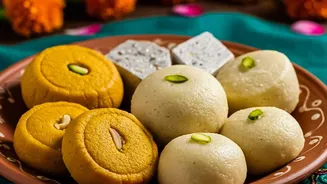
Lord Krishna’s childhood tales are famously intertwined with his love for milk and butter, making dairy the star of Janmashtami cuisine. Ensure you have an ample supply of full-cream milk, which forms the base for classic sweets like Kheer (rice pudding),
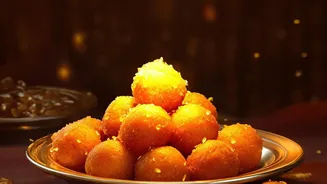
Rabri, and homemade Peda. Fresh, unsalted white butter (makhan) is essential for making the simplest yet most significant offering: Makhan Mishri. You'll also need fresh curd (dahi) and ghee. Dahi is a key component of Panchamrit, the holy five-ingredient concoction, and is also used in savoury dishes like Gopalkala. Ghee is indispensable for frying, roasting, and adding richness to nearly every dish, from halwa and panjiri to puris.
Fasting Flours and Grains
Since many devotees observe a fast (vrat) on Janmashtami, certain flours and grains are used as alternatives to wheat and rice. Stock up on Singhare ka Atta (water chestnut flour) and Kuttu ka Atta (buckwheat flour), which are used to make puris, parathas, and halwa. Sabudana (tapioca pearls) is another must-have for making the popular fasting dish, Sabudana Khichdi, as well as creamy Sabudana Kheer. Samak Rice (barnyard millet) is a versatile grain used to prepare pulao, khichdi, and even tikkis for those observing the fast. Having these on hand ensures you can prepare a full, satisfying meal that adheres to fasting traditions.
Sweeteners for Prasad and Mithai
No festival is complete without sweets, and Janmashtami is no exception. Sugar is a primary ingredient for most mithai and kheer. Mishri (rock sugar) is specifically needed for the traditional Makhan Mishri offering. Many recipes also call for jaggery (gur) as a more traditional sweetener, especially in regional preparations like Coconut Ladoo. Honey is another essential item, primarily for preparing Panchamrit, where it is one of the five sacred ingredients. Having a mix of these sweeteners allows for a variety of traditional preparations.
Aromatic Spices and Flavouring Agents
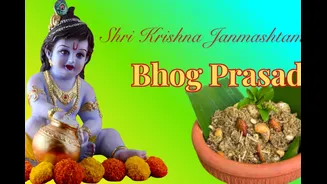
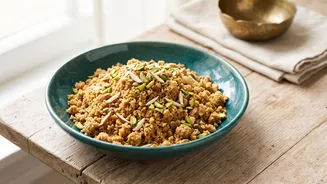
The right spices elevate simple ingredients into divine offerings. Cardamom powder (elaichi) is the most common aromatic, used in almost every sweet dish from Peda to Kheer. A few strands of saffron (kesar) will add a beautiful colour and delicate fragrance to milk-based sweets. For savoury fasting dishes, stock up on cumin seeds (jeera), green chillies, and rock salt (sendha namak), as regular table salt is avoided during vrat. Coriander powder (dhaniya) is the star of Dhaniya Panjiri, a unique prasad made especially for this festival.
Nuts and Dry Fruits for Richness
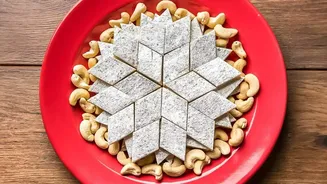
Dry fruits and nuts are used generously to add richness, texture, and flavour to festive preparations. Almonds, cashews, and pistachios are chopped and used as garnish for kheer, halwa, and pedas. Raisins are often added to sweet dishes for a burst of flavour. Makhana (fox nuts) are particularly important; they are roasted and added to Panjiri, used to make Makhana Paag (a type of sweet brittle), or cooked into a creamy Makhana Kheer. Grated dry coconut is another key ingredient, essential for making coconut barfi and for adding texture to Panjiri.
Essential Fruits and Herbs
Fresh fruits are an integral part of the bhog (offering) thali. Bananas, pomegranates, and apples are common choices that are offered whole or sliced. Cucumber is often finely chopped and added to Gopalkala, a savoury snack made with flattened rice (poha) and curd. Finally, no puja is complete without Tulsi leaves (holy basil). A single leaf is often placed on top of each food item offered to Lord Krishna, especially Makhan Mishri and Panchamrit, as it is considered sacred.