




Why Go Inflatable?
The logic of inflatable habitats is elegantly simple and rests on one of the biggest constraints in spaceflight: the size of a rocket's payload fairing. A traditional rigid module can only be as large as the rocket that carries it. In contrast, an inflatable habitat,
made from high-tech, flexible fabrics and high-strength webbing, launches in a compressed, compact state. Once in orbit, it inflates like a high-tech tent, expanding to offer significantly more internal volume for living and working than a rigid module of the same mass. This 'packing efficiency' means companies can launch a spacious, multi-story habitat on a single rocket, a feat that would have required numerous expensive launches to assemble a rigid equivalent piece by piece. Despite sounding delicate, these structures are remarkably tough. Their multi-layered shells, often incorporating materials like Kevlar, are designed to provide robust protection against the harsh realities of space, including micrometeoroids and radiation.
The Commercial Trailblazers
Several companies are at the forefront of this commercial space race, with NASA's Commercial Low-Earth Orbit Destinations (CLD) program spurring development. Sierra Space is a major player with its LIFE (Large Integrated Flexible Environment) habitat. These modules are designed to be three stories tall when deployed, housing astronauts, science labs, and even gardens. Sierra Space is a key partner on the Orbital Reef station, a joint venture with Blue Origin, which plans to use multiple LIFE habitats as core components. Another key contender is Axiom Space, which is already building the first modules of its commercial station, set to initially attach to the ISS before becoming a free-flying outpost. While its first modules are rigid, the company is actively involved in the new commercial ecosystem. Startups like Vast are also making waves, with its Haven-1 station planned for launch as soon as 2027, aiming to be one of the first free-flying commercial destinations. Even newer companies like Max Space are proposing massive single-launch inflatable stations, underscoring the intense interest in this technology.
A New Frontier for Science
The primary purpose of these new commercial outposts is to serve as orbital laboratories. The microgravity environment offers unique conditions that are impossible to replicate for sustained periods on Earth. In space, phenomena like gravity-driven convection and sedimentation disappear, allowing for breakthroughs in materials science and fluid physics. For the pharmaceutical industry, microgravity enables the growth of more perfect protein crystals, which can lead to the design of more effective drugs. Other research areas include 3D bioprinting of human tissues, developing new alloys, and studying the long-term effects of space on the human body—all of which have direct applications back on Earth. These private stations will provide a platform for governments, universities, and private companies to conduct this research, creating a new market for in-space manufacturing and scientific discovery.
An Orbital Economy After ISS
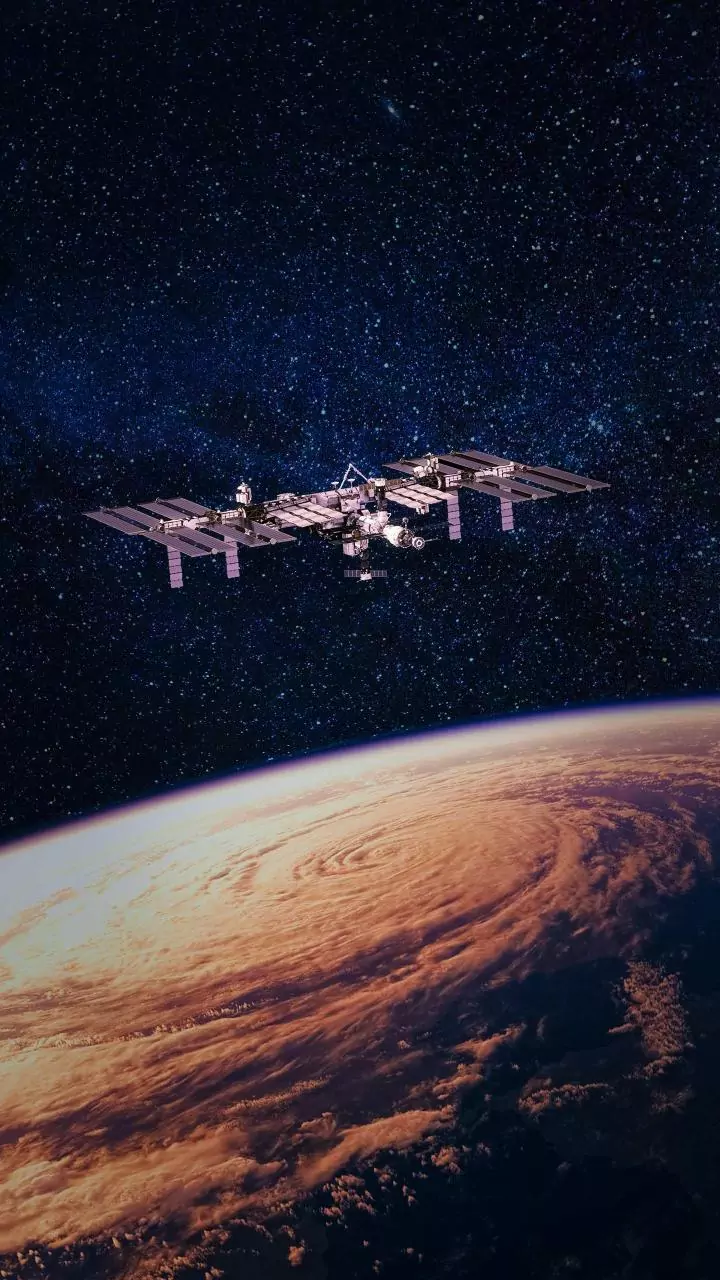
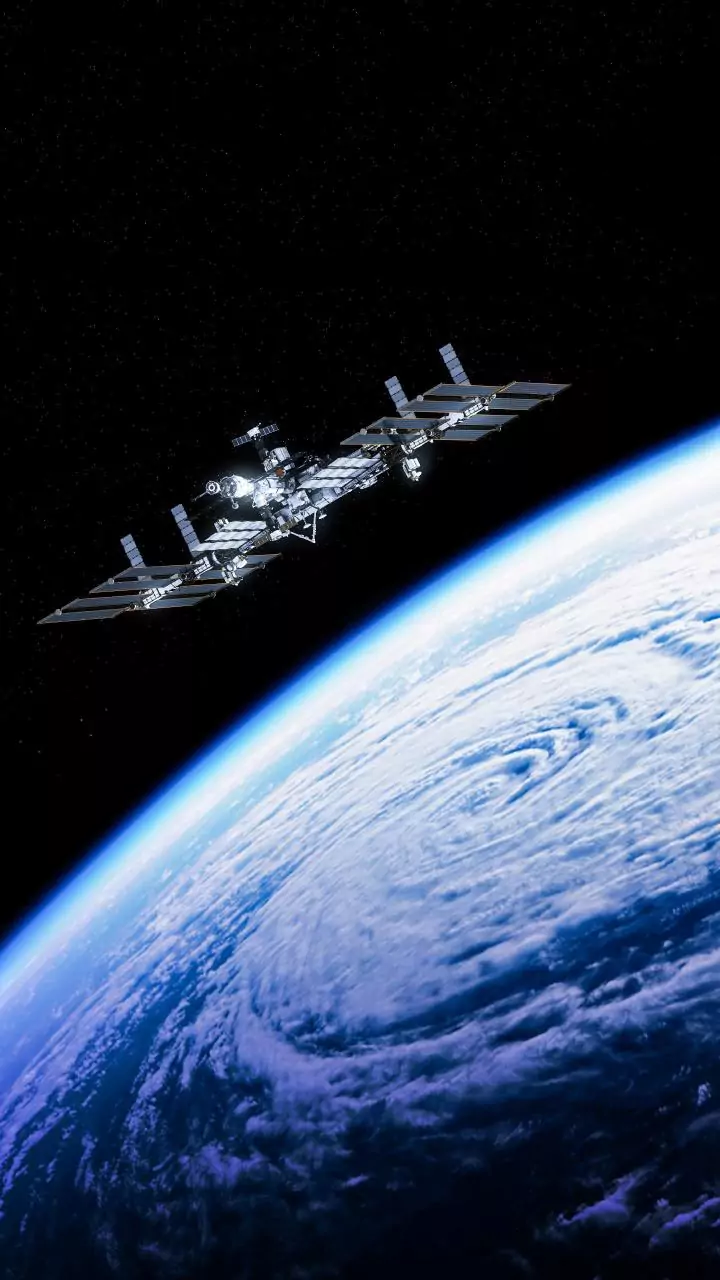
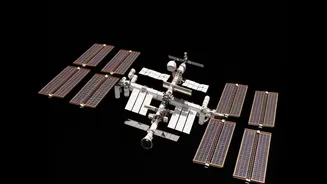
This entire movement is driven by a critical deadline: the planned retirement of the International Space Station (ISS) around 2030. For over two decades, the ISS has been humanity's only continuous foothold in low-Earth orbit. Its decommissioning would leave a void, not just for astronauts, but for the global scientific community. NASA's strategy is not to build another government-owned station but to become a customer of these new commercial platforms. By fostering a private market, the agency aims to ensure continued U.S. presence and research capabilities in orbit at a lower cost, freeing up its own resources to focus on deep-space missions to the Moon and Mars. The success of companies like Sierra Space, Axiom, and Vast is therefore crucial for maintaining an uninterrupted human presence in orbit and transitioning from an era of government-led exploration to a sustainable, multi-player commercial economy in space.