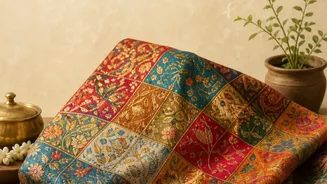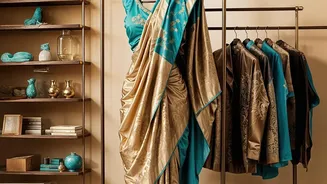


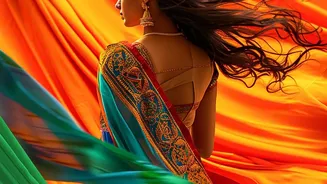
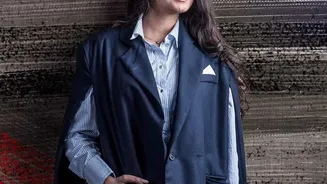
Scroll through your Instagram feed and you might see it: a Kalamkari print jacket paired with jeans or a Khadi saree styled with sneakers. A quiet but powerful shift is underway as younger shoppers embrace India’s regional textiles for daily life.
The New Digital Marketplace
Not
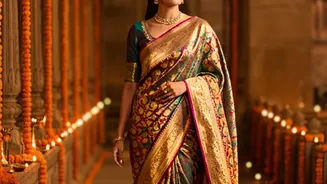
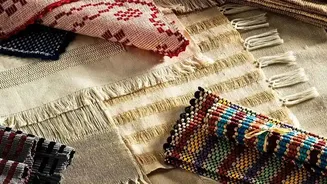
long ago, handloom fabrics were often reserved for special occasions—weddings, festivals, and formal events. Today, platforms like Instagram and YouTube are transforming them into staples of everyday fashion for a new generation. Social media has become a dynamic visual marketplace, bridging the gap between weavers in remote clusters and urban consumers. This digital stage allows the rich textures of Banarasi silk, the geometric patterns of Ikat, and the earthy tones of Ajrakh to be seen not as relics, but as vibrant, wearable art. Content creators are at the heart of this change, reframing heritage textiles as both contemporary and accessible.
More Than Just an Outfit
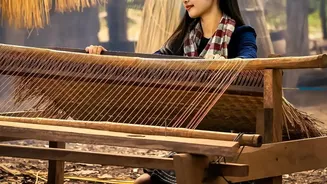
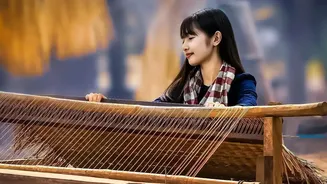
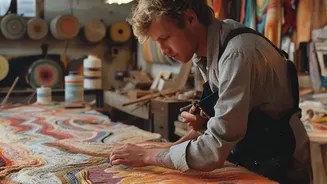
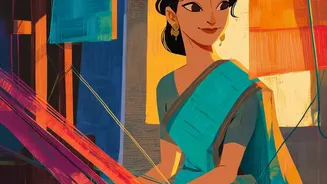
For Gen Z and millennial shoppers, this trend is about more than just aesthetics; it's a conscious choice. In a world of fast fashion, there's a growing fatigue with mass-produced items that lack a backstory. Younger consumers are increasingly drawn to sustainability, ethical production, and authenticity. Handloom fabrics, with their low-energy production and support for artisan livelihoods, align perfectly with these values. Creators amplify this by going beyond styling tips. They share stories about the weavers, the history of the craft, and the intricate processes behind each fabric. This narrative-driven approach turns a simple purchase into a meaningful connection, making the textile a piece of cultural heritage you can wear.
Styling Heritage for Today
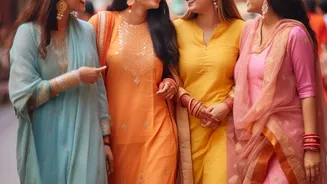
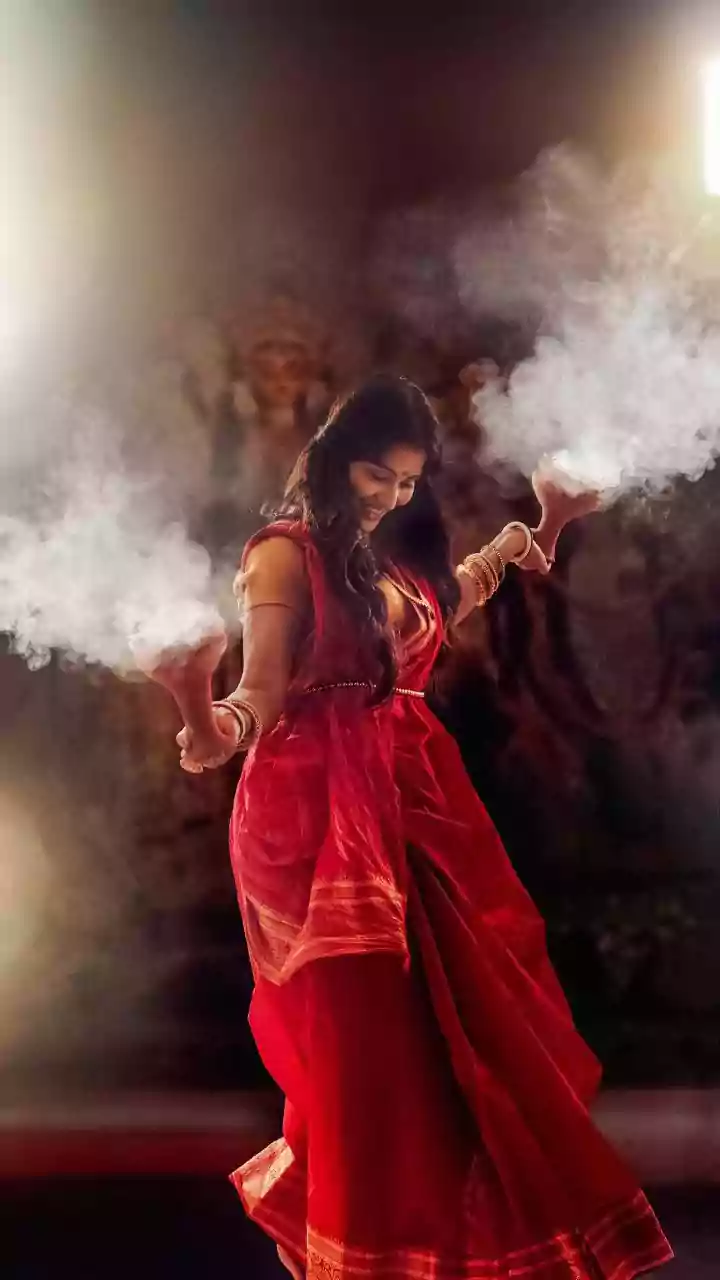
The key to this revival is versatility. Influencers are showing their followers how to seamlessly integrate these traditional fabrics into a modern wardrobe. An old saree can be upcycled into a chic co_ord set, a hand_block printed dupatta can be styled as a scarf with a simple dress, and a traditional woven jacket can be layered over a t_shirt and jeans. By pairing ethnic wear with contemporary staples like sneakers and denim, creators make it feel less like costume and more like personal style. They are moving beyond rigid rules, encouraging experimentation and proving that a Banarasi or Jamdani piece can be just as suitable for a cafe visit as it is for a ceremony.
From Weaver to Wardrobe, Directly
Social media is also reshaping the economics of the handloom industry. By showcasing their work online, artisans and small brands can bypass traditional middlemen and connect directly with customers. This direct_to_consumer model, often facilitated by integrated shopping features on platforms like Instagram, can result in better prices for shoppers and fairer wages for weavers. Influencers play a crucial role in building trust, with studies showing that a majority of Indian consumers rely on their recommendations. However, the digital path is not without challenges. Artisans need support to develop digital literacy and marketing skills to compete effectively and distinguish authentic handloom from power_loom imitations.