




Understanding the Rain-Shadow Secret
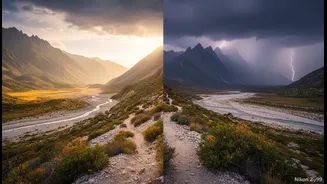
The term 'rain shadow' sounds technical, but the concept is simple and a game-changer for travel planning. It describes a dry area on the side of a mountain range that is sheltered from the wind. Think of a huge mountain acting like a giant umbrella.
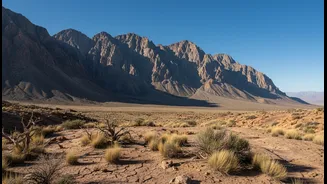
As moisture-filled monsoon clouds move from the sea, they are forced to rise up the mountain's 'windward' side. This causes the air to cool and release all its moisture as heavy rain. By the time the air crosses over the mountain peak to the 'leeward' side, it is dry. This leeward area is the rain shadow, a region that receives significantly less rainfall, resulting in clearer skies and a more stable climate. In India, the mighty Himalayas are the perfect example, creating spectacular rain-shadow regions that are ideal for travel when other areas are drenched.
Why Safer Means More Fun
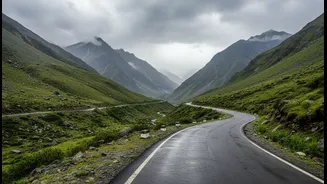
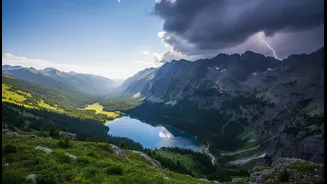
Choosing a destination in a rain shadow isn't just about avoiding a downpour; it's a major safety decision, especially for families. Mountain regions on the windward side are prone to serious hazards during heavy monsoons, including landslides, flash floods, and washed-out roads. These events can not only derail a vacation but also pose genuine risks, potentially leaving travellers stranded. In contrast, rain-shadow areas offer a much safer environment. Roads are more likely to remain open and clear, the risk of landslides is dramatically lower, and you can plan outdoor activities with greater confidence. This reliability means less time worrying about weather warnings and more time enjoying treks, sightseeing, and making memories with your loved ones in a secure and pleasant setting.
India's Premier Rain-Shadow Destinations
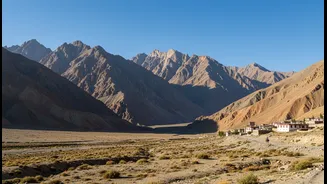
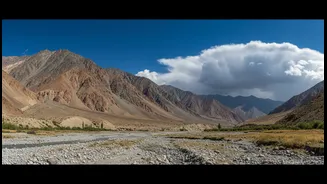
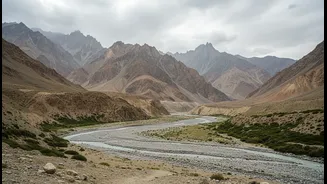
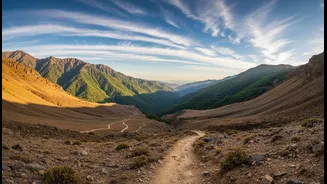
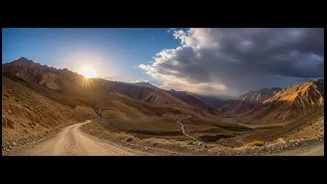
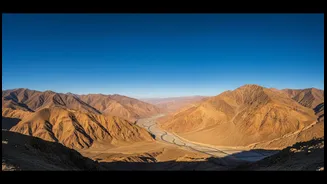
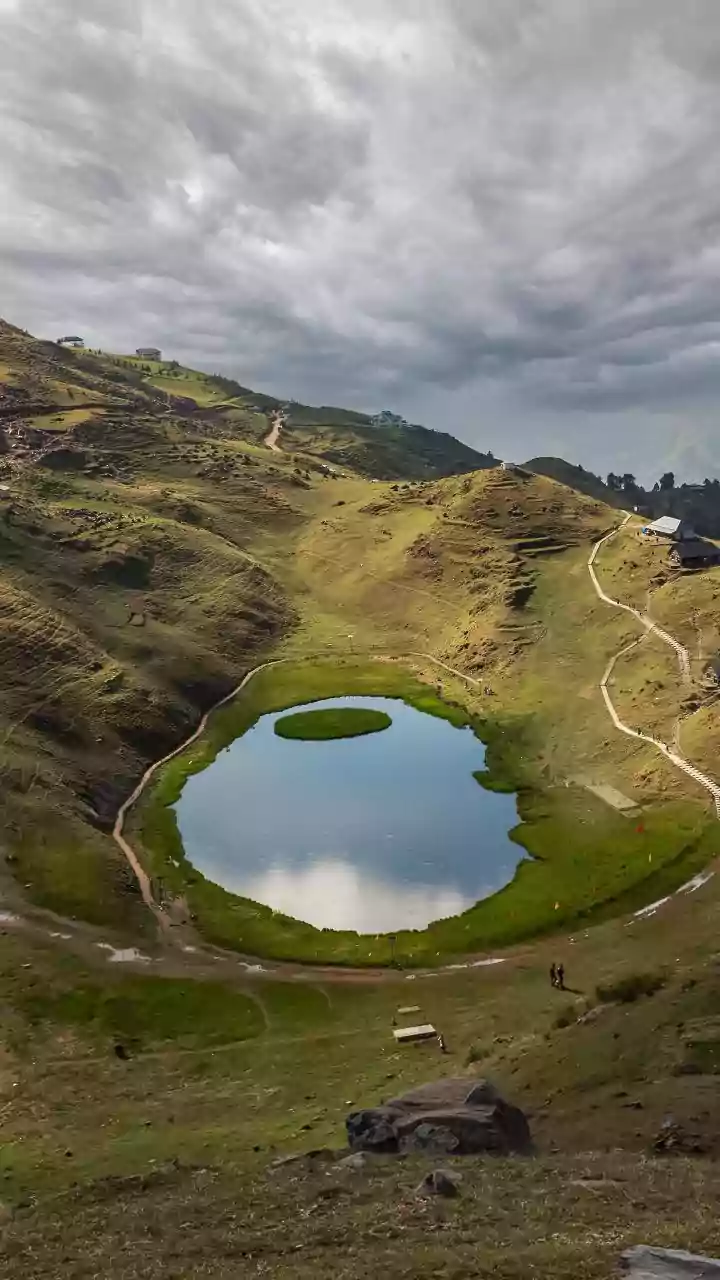
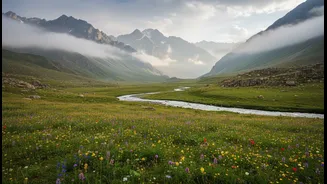
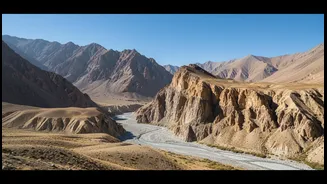
India is blessed with some of the world's most stunning rain-shadow regions, perfect for a monsoon-season escape. Ladakh: Often called the 'cold desert', Ladakh is the ultimate rain-shadow destination. Shielded by the Great Himalayan range, it experiences minimal rainfall, offering brilliant blue skies and pleasant daytime temperatures from June to September. This makes it the perfect time to explore its breathtaking landscapes, from the serene Pangong Lake to the monasteries of the Indus Valley. Lahaul & Spiti, Himachal Pradesh: While much of Himachal Pradesh is drenched during the monsoon, the Spiti Valley remains a dry, dramatic, and accessible wonderland. The towering Pir Panjal and Himalayan ranges block the monsoon clouds, ensuring sunny days for exploring ancient monasteries like Key and Tabo. The journey itself, through high-altitude passes, is an adventure, but the destination rewards with its stark, otherworldly beauty.
Planning Your Rain-Shadow Adventure
While rain-shadow areas are significantly drier, it's still wise to plan carefully. The approach roads to these destinations often pass through regions that do receive heavy monsoon rains. It's crucial to check road status updates, especially for routes like the Manali-Leh Highway or the roads into Spiti, as landslides in lower altitudes can cause temporary closures. Always pack in layers. Despite sunny days, temperatures in these high-altitude deserts can drop sharply at night. Finally, build flexibility into your itinerary. A buffer day can be invaluable if you encounter any travel delays on your way to the sunshine. Acclimatising to the high altitude is also key to a comfortable and safe trip.