






Beyond the Smoky Skies
For years, the conversation around fireworks pollution has focused almost exclusively on air quality. The spike in particulate matter, particularly PM2.5, following festivals like Diwali is a well-documented public health concern in India, leading to
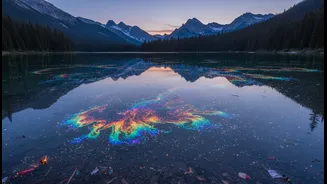
respiratory issues and worsening chronic conditions. However, a growing body of research is asking a critical question: what happens when all that smoke and debris comes down? The answer is leading scientists to our rivers, lakes, and groundwater, uncovering a new dimension of environmental contamination. Recent studies highlight that the environmental impact of pyrotechnics doesn't end when the smoke clears; it continues in our water systems.
The Chemical Cocktail in Our Water
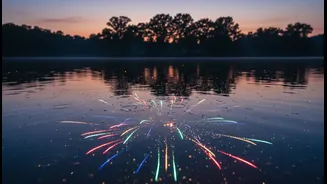
Fireworks are not just paper and gunpowder. To create their dazzling colours and effects, they contain a potent mix of chemicals. These include heavy metals to produce colours—strontium for red, barium for green, and copper for blue—and oxidizers to help them burn. One of the most significant of these is perchlorate, a chemical compound used as a propellant. When fireworks explode, unburnt particles, chemical residues, and solid debris fall to the ground. Rain and runoff then carry these pollutants into drains, which empty into nearby water bodies. Studies have shown that perchlorate levels in lakes can spike dramatically—in some cases, more than a thousand times the baseline level—within hours of a fireworks display.
The Unseen Threat to Health and Ecosystems
Once in the water, these chemicals don't just disappear. Perchlorate is highly soluble and can persist in the environment. Its primary health concern is its ability to interfere with the thyroid gland's function. The thyroid needs iodine to produce hormones critical for metabolism and development, especially in infants and foetuses. Perchlorate can block the thyroid from absorbing iodine, potentially leading to developmental issues. This is particularly concerning for communities that rely on surface water for drinking. Beyond human health, the influx of metals and chemicals from firework debris can disrupt aquatic ecosystems. These substances can be toxic to fish and other organisms and can accumulate up the food chain, creating long-term environmental damage.
An Urgent Issue for India
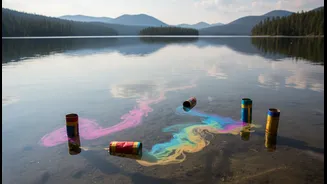
This research has profound implications for India, where fireworks are an integral part of celebrations like Diwali, weddings, and New Year's Eve. The country's dense population centres are often located near rivers and lakes that are already under immense pollution stress. During Diwali, the sheer volume of fireworks used in cities like Delhi and Mumbai means a massive, concentrated release of these contaminants. The hazardous waste from firecrackers often clutters waterways with little chance of proper disposal. The combination of pre-existing pollution and the additional chemical load from fireworks poses a significant, yet under-reported, threat to India's precious water resources and the health of millions who depend on them. While bans on certain fireworks have been attempted to curb air pollution, the water contamination angle adds a new layer of urgency to finding more sustainable and eco-friendly ways to celebrate.