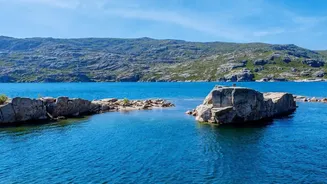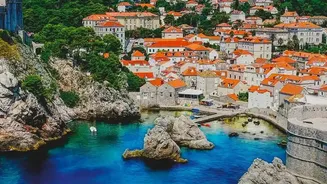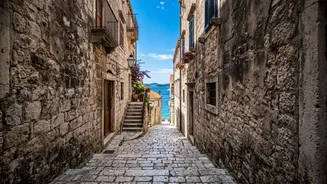



You’ve seen the photos: ethereal waterfalls with no one in sight, solitary strolls on ancient city walls, and glowing sea caves that look like magic. Croatia’s beauty is undeniable, but the reality of its most famous spots is often cropped out.
Plitvice Lakes National Park
The Hype:
Endless drone shots show serene, empty wooden boardwalks meandering over impossibly turquoise lakes. It’s a tranquil paradise where you can commune with nature, interrupted only by the sound of cascading waterfalls. The social media story is one of peaceful solitude in a fairy-tale landscape. The Reality: Plitvice is genuinely as beautiful as the photos suggest, but it is rarely empty. During peak season, the narrow boardwalks are often packed with visitors moving in a slow, single-file shuffle. Capturing that iconic photo without a stranger in the background requires immense patience or arriving at the literal crack of dawn. The entrance fee can be steep, exceeding €40 in summer, and you must book a timed entry slot in advance. To protect the delicate ecosystem, swimming is strictly forbidden, a fact often omitted from idyllic posts.
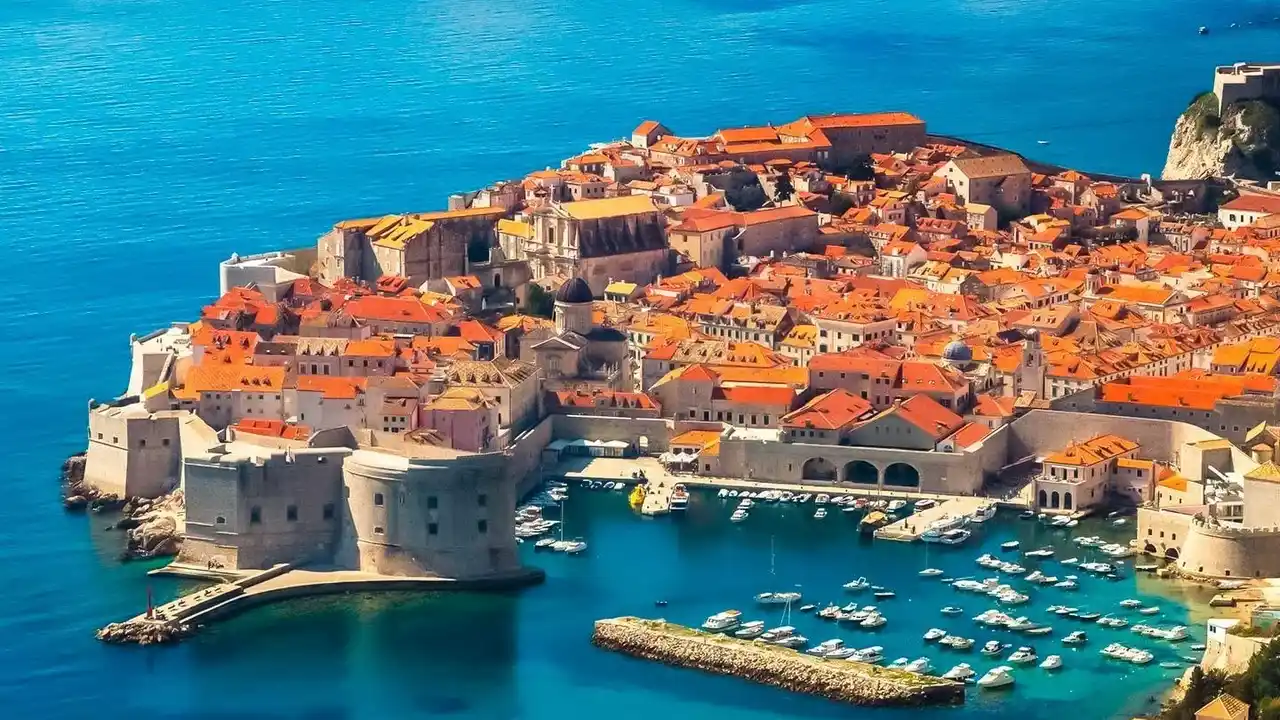
Dubrovnik's City Walls
The Hype: A lone figure gazes out from a medieval fortress, with the entirety of the 'Pearl of the Adriatic' and its terracotta roofs laid out before them. It’s a historic, romantic stroll, seemingly reserved just for you and your camera, especially for fans of 'Game of Thrones' looking for a King's Landing moment. The Reality: While the views are spectacular, a solitary walk is a fantasy for most of the year. The 2-km walk can be a hot, sun-drenched ordeal with virtually no shade. In peak season, the walls are incredibly crowded, making it hard to move freely, let alone capture a clean photo. The entrance fee is also one of the priciest in Croatia, costing around €40 per person. The best way to experience it is to go as soon as it opens or in the late evening to avoid the midday crush and heat, a strategic detail often left out of the perfect snapshot.
The Blue Cave, Biševo Island
The Hype: An otherworldly photo shows people swimming blissfully in water that glows an intense, electric blue. It’s portrayed as a secret, magical grotto you can discover and enjoy at your leisure, a highlight of any boat trip from Split or Hvar. The Reality: The blue glow is real and stunning, but the experience is highly structured and brief. First, you cannot swim in the Blue Cave. Access is controlled by official operators on the tiny island of Biševo, which is a 90-minute speedboat ride from Split. Upon arrival, you often face a significant queue, sometimes over an hour, before being transferred to a small, official boat that takes you inside for a visit that lasts only about five to ten minutes. The whole operation is efficient but far from the spontaneous, private dip that social media might suggest.
Zlatni Rat Beach, Brač
The Hype: Drone footage showcases a perfect, V-shaped horn of golden sand stretching into turquoise water. It’s often named one of the world's most beautiful beaches and appears to be a soft, sandy paradise perfect for sunbathing. The Reality: The most common misconception is about the 'sand'. Zlatni Rat is a pebble beach, made of fine, smooth stones. While beautiful, it's not the soft sand many expect, and water shoes are often recommended. Its unique shape does change with the wind and currents, but the beach itself is rarely empty. It is one of Croatia’s most popular beaches, meaning it's often covered with sunbathers, especially in July and August. Arriving early is key to claiming a good spot. The beauty is authentic, but the texture and the crowds are the reality check.
Diocletian's Palace, Split
The Hype: Photos from within the palace cellars depict empty, atmospheric Roman vaults, often highlighted by their appearance as the dragon dungeons in 'Game of Thrones'. Above ground, the ancient Peristyle square is shown as a grand, open space perfect for a dramatic photo. The Reality: Diocletian's Palace isn't a single, ticketed ruin; it's the living, breathing heart of Split's Old Town, with thousands of people living within its walls. This means its ancient streets and squares are often bustling with residents, tour groups, and restaurant patrons, making it feel more like a vibrant, crowded neighborhood than a serene archaeological site. While some areas of the cellars offer an atmospheric glimpse into the past, the main thoroughfare often functions as a crowded passageway filled with souvenir stalls, diminishing the ancient mystique.