



Beyond the One-Recipe Trap
Many of us plan our meals one recipe at a time. We find a recipe for palak paneer, buy a large bunch of spinach, use half, and leave the rest in the fridge with a vague promise of future use. The next day, we cook something entirely different, and the spinach is forgotten.
This approach leads to what can be called a 'refrigerator graveyard,' where half-used ingredients go to spoil. It's a cycle that wastes both food and money; reports suggest that a significant percentage of fresh produce bought by households is never eaten. The key to breaking this cycle is to shift your mindset from planning isolated meals to planning for ingredient synergy. It’s about viewing your groceries as a flexible inventory rather than a set of single-use items.
Thinking in Ingredients, Not Just Meals
The core of ingredient overlap is simple: intentionally choose meals for the week that share a few core components. Instead of buying a bunch of parsley for a single garnish, you plan two or three different dishes that will use it up. This doesn't mean eating the same thing over and over. It means using the same base ingredients in different culinary contexts. For example, a large batch of roasted vegetables can be a side dish one night, tossed into a pasta salad for lunch the next day, and blended into a soup on the third. This method requires a slight change in perspective—you start by looking at what ingredients you have or plan to buy, and then build a varied menu around them.
How to Build Your Meal Map
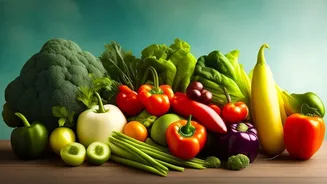
Start by choosing two or three 'hero' ingredients for the week. These should be versatile items you can use in several ways. For instance, a whole chicken, a large cauliflower, and a bag of potatoes offer numerous possibilities. Night 1: Roast the chicken with some of the potatoes and cauliflower. Night 2: Shred the leftover chicken for tacos or wraps. Steam the remaining cauliflower and toss it with spices for a simple sabzi. Night 3: Use the chicken carcass to make a simple broth. Sauté the last of the potatoes with onions and spices for a quick fry, or boil and mash them. This strategy ensures your main, perishable purchases are fully consumed. The same logic applies to vegetables. A bag of spinach can be used in dal, omelettes, and stir-fries. It’s about seeing the potential for multiple, distinct meals within a single grocery item.
The Power of Your Pantry
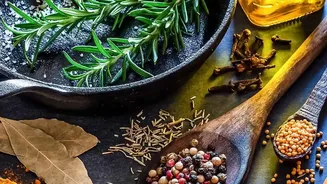
The secret to making overlapping ingredients feel like completely different meals lies in your pantry. A well-stocked collection of spices, sauces, grains, and oils is what provides variety. The same chicken and bell peppers can become fajitas with cumin and chili powder one night, and an Asian-style stir-fry with soy sauce and ginger the next. Key pantry staples to keep on hand include basics like onions, garlic, and ginger, which form the base of countless dishes. Also essential are versatile oils, different types of grains like rice and pasta, canned goods like tomatoes and beans, and a variety of dried herbs and spices. These shelf-stable items are the toolkit you use to transform your fresh 'hero' ingredients each night.
Shop Smart and Store Smarter
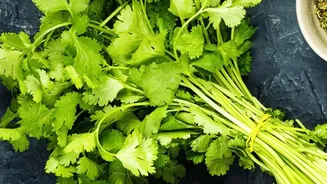
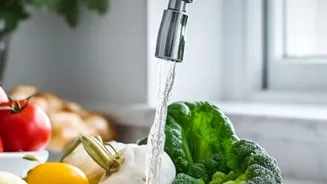
Effective ingredient overlap begins at the store. Meal planning is the single most effective way to reduce waste because it forces you to create a list and buy only what you need. When unpacking groceries, use the 'First In, First Out' (FIFO) method: move older items to the front of your fridge and pantry, and place new items at the back. This ensures you use up what you have before it expires. Proper storage is also crucial for extending the life of your ingredients. For example, leafy greens like spinach and coriander last much longer when washed, dried thoroughly, and stored in an airtight container in the fridge. Tomatoes, on the other hand, should be kept at room temperature to preserve their flavour and texture. Taking a few extra minutes to store your produce correctly supports your goal of using everything you buy.