


An Introduction to a Tropical Wonder
Native to Brazil, the passion fruit has found a welcoming home in many parts of India, from the Western Ghats to the hills of the North East. This fruit grows on a climbing vine and comes in two main varieties you’re likely to encounter: a purple one
(Passiflora edulis) and a larger yellow one (Passiflora edulis var. flavicarpa). The purple variety tends to be sweeter and is often enjoyed fresh, while the more acidic yellow type is a favourite for juices and preserves. A hybrid variety called 'Kaveri', which blends qualities of both, is also cultivated commercially in India. Inside its tough rind lies a vibrant, jelly-like pulp filled with edible black seeds, offering a delightful crunch and a flavour that’s an unforgettable mix of sweet and tart.
How to Pick the Perfect Passion Fruit
The secret to enjoying passion fruit is knowing how to choose a ripe one. Don't be put off by a few wrinkles. While smooth-skinned fruits are fine, slightly shrivelled or dimpled skin is a sign that the fruit is perfectly ripe and at its sweetest. A ripe passion fruit should also feel heavy for its size, which indicates it's full of juicy pulp. Look for a deep, rich colour—either a uniform dark purple or a golden yellow, depending on the variety. If the fruit is still green, it needs more time, though it will continue to ripen if left at room temperature for a few days. Avoid fruits with bruises or discoloration. The easiest way to enjoy it is to simply slice it in half and scoop out the contents with a spoon, seeds and all.
A Nutritional Powerhouse
Beyond its incredible taste, passion fruit is packed with nutrients. It is an excellent source of vitamins A and C, both powerful antioxidants that support immune health and promote healthy skin. A single small fruit provides a surprising amount of dietary fibre, which is crucial for good digestion and can help prevent blood sugar spikes. In fact, for its low calorie count, it's a remarkably nutrient-dense food. It's also rich in beneficial plant compounds called polyphenols and contains minerals like potassium, which is important for heart health. The combination of high fibre and potassium can help manage cholesterol and blood pressure.
Endless Versatility in the Kitchen
This is where passion fruit truly shines. Its unique flavour profile makes it a star in both sweet and savoury creations. In India, its pulp is widely processed into juice, squash, and jam. For a simple treat, drizzle the pulp over yogurt, ice cream, or a slice of cheesecake. Its tangy notes are a perfect match for creamy desserts like panna cotta or mousse. In the beverage world, it’s a natural fit for refreshing mocktails, smoothies, and flavoured iced teas. But don’t limit it to sweets. The fruit’s acidity can cut through richness in savoury dishes. Use it to create a zesty vinaigrette for salads or a flavourful marinade for chicken or fish. Some have even used it to make pickles from both the pulp and the rind.
Simple Ways to Start Your Journey
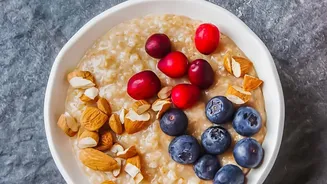
Feeling inspired but not sure where to begin? Start simple. The easiest way to enjoy passion fruit is to eat it fresh. Cut one in half and use a spoon to scoop the pulp directly into your mouth. For a refreshing drink, press the pulp through a sieve to separate the juice from the seeds, then mix the juice with water or soda and a touch of sugar. Another effortless idea is to add a spoonful of fresh pulp to your morning bowl of dahi or oatmeal for an instant flavour upgrade. Its vibrant taste can transform everyday foods into something special, giving you a small taste of the tropics whenever you like.