

Why Water Management is Crucial
The greatest threat to your garden during the monsoon is not the force of the downpour, but the water that stays behind. When soil becomes saturated, the air pockets that roots need to breathe are filled with water. This can lead to root rot, a condition
from which few plants recover. Symptoms of overwatering, such as yellowing leaves and wilting, can ironically look like signs of a thirsty plant, but they are a clear signal of distress at the root level. Proper water management is about ensuring water drains away efficiently, keeping roots healthy and oxygenated.
Start with the Right Soil Mix
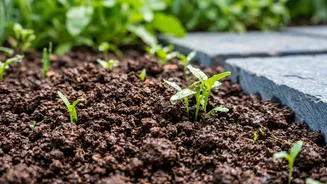
Heavy, clay-based soils retain water and become a soggy trap for plant roots during the monsoon. The ideal potting mix for this season is light, porous, and well-draining. Before the rains begin, consider repotting vulnerable plants into a mixture of garden soil, compost, and a material that improves aeration and drainage, such as cocopeat, perlite, or coarse sand. This allows excess water to flow through quickly while retaining just enough moisture. For garden beds, incorporating organic matter like compost helps improve soil structure, preventing compaction.
Elevate Your Pots and Check Drainage
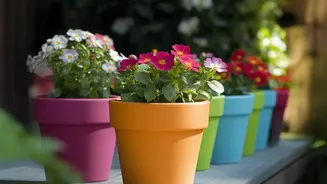
One of the simplest yet most effective ways to prevent waterlogging is to get your pots off the ground. Placing pots directly on the floor can block drainage holes, trapping water inside. Use pot feet, bricks, or plant stands to create a small gap underneath the container. This not only allows water to escape freely but also improves air circulation around the base of the pot. Before the season starts, it's also a good habit to check that the drainage holes in all your pots are clear of debris or old roots.
Rethink Your Watering Schedule
It may seem counterintuitive, but you still need to be mindful of watering during the monsoon. The natural rainfall and high humidity mean plants need far less manual watering than in the dry summer months. Overwatering is one of the most common mistakes gardeners make this season. Always check the soil before reaching for the watering can. Poke your finger about an inch or two into the soil; if it feels moist, hold off on watering. For plants on covered balconies or indoors that don't receive rain, this check is crucial to avoid drowning them.
Improve Airflow and Prune Wisely
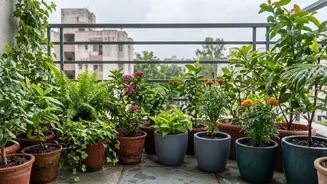
High humidity and constantly wet leaves create the perfect environment for fungal diseases like powdery mildew and leaf spot. To combat this, ensure your plants have good air circulation. Avoid overcrowding pots, leaving enough space between them for air to move freely. A bit of strategic pruning can also help. Trimming dense foliage opens up the plant, allowing leaves to dry faster after a shower. Regularly remove any dead, yellowing, or damaged leaves to prevent the spread of potential infections.
Watch for Pests and Diseases
The damp, humid conditions of the monsoon are an open invitation for pests like slugs and snails, as well as fungal and bacterial diseases. Be proactive with your plant inspections. Regularly check the undersides of leaves and the soil surface for any signs of trouble. Removing infected leaves immediately can prevent a problem from spreading. A preventive spray of neem oil solution can be an effective organic measure to deter many common pests and fungal issues that thrive in this weather.