



Beyond Basmati and Sona Masuri
For many, Indian rice means fragrant Basmati for biryani or the versatile Sona Masuri for daily meals. Yet, these popular choices represent just a fraction of the country's staggering rice biodiversity. India was once home to over 100,000 unique rice varieties,
each adapted to a specific climate, soil, and culinary tradition. From the nutty, red Matta rice of Kerala to the aromatic Gobindobhog of Bengal used in festive puddings, and the medicinal Navara rice, these grains tell a story of regional identity. This incredible diversity was largely lost over the past few decades, but a conscious movement among farmers, chefs, and consumers is bringing them back from the brink of extinction.
How We Lost Our Rice Heritage
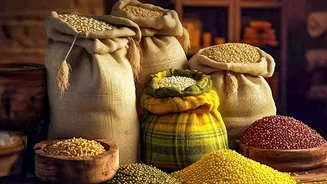
The decline of these indigenous grains can be traced back to the Green Revolution in the 1960s. The national push was to increase food production and prevent famine by promoting high-yielding varieties (HYVs) of rice and wheat. While successful in boosting output, this focus on monoculture came at a cost. Farmers were encouraged to replace their diverse, native seeds with uniform HYVs that, while productive, required significant chemical fertilisers and pesticides. As a result, thousands of traditional rice landraces disappeared from fields, and with them, a vast reservoir of genetic diversity, nutritional profiles, and unique flavours. Nearly 90 percent of traditional varieties were lost in this shift.
A Modern Quest for Nutrition
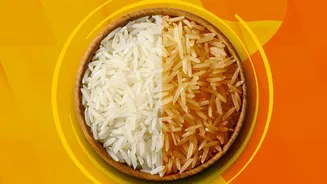
A primary driver behind the current revival is a collective health awakening. Consumers are increasingly aware that highly polished white rice offers little more than carbohydrates. In contrast, many traditional rice varieties, which are often unpolished or semi-polished, are nutritional powerhouses. Coloured varieties like black and red rice are rich in antioxidants, which can help combat inflammation. Because they retain their bran, these grains are higher in fibre, aiding digestion, promoting satiety, and helping to regulate blood sugar levels, making some varieties suitable for those managing diabetes. Many are also richer in essential micronutrients like iron, zinc, and B vitamins compared to their commercial counterparts.
The Allure of Authentic Flavour
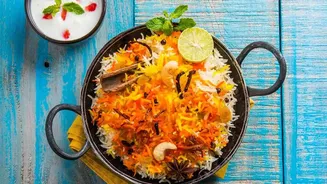
Beyond health, the rediscovery is also a culinary one. Chefs and home cooks are realising that different rice varieties bring unique textures and aromas to a dish that mass-market rice cannot replicate. For instance, the small-grained Jeerakasala rice is prized for making authentic Kerala biryani, while the sticky Bora saul from Assam is perfect for local sweets. Restaurants are now actively championing these grains, building entire menus around them and educating diners about their origins. This culinary curiosity is creating a new market for farmers growing varieties like Ambemohar from Maharashtra, known for its mango-blossom aroma, or the famously dark Karuppu Kavuni from Tamil Nadu.
Farming for a Resilient Future
Choosing regional rice is not just a lifestyle choice; it's an investment in a more sustainable future. Many heirloom varieties are naturally resilient and have adapted over centuries to local conditions, showing resistance to pests, floods, and droughts. For example, Kerala's Pokkali rice can famously tolerate saline water. Supporting the farmers who cultivate these grains helps preserve agricultural biodiversity, reduces dependence on chemical inputs, and ensures that this traditional knowledge is passed on. As climate change makes farming more unpredictable, these climate-resilient seeds are being recognised not as relics of the past, but as a crucial resource for food security.