



Beyond the Calendar Appointment
Sticking to a grooming appointment every six weeks can feel responsible, but it often misses the point. Your pet’s needs change based on their breed, age, diet, activity level, and even the season. A long-haired dog might develop painful mats long before
a scheduled trim, especially after a week of playing outdoors. Conversely, over-grooming a short-haired dog can strip natural oils from their coat and irritate their skin. The core idea is to move from a passive, scheduled approach to an active, observant one. This treats grooming not as a single event, but as a continuous part of your pet’s overall wellness, allowing you to respond to their needs in real time. This constant attention helps you catch minor issues like skin irritation, parasites, or ear buildup before they become serious health problems.
The 5-Minute Daily Check-In
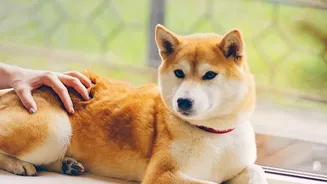
The foundation of observation-based grooming is a quick, daily check. Think of it as a loving once-over that strengthens your bond while keeping you informed. Spend a few minutes petting your animal with intention. Run your fingers through their coat, feeling for any unusual lumps, bumps, or tangles. Look at their skin for signs of redness, flakiness, or parasites like fleas and ticks. Check their paws for cracked pads or debris caught between their toes. Glance at their eyes and nose for any abnormal discharge. This daily ritual helps you normalize what's healthy for your pet, making it much easier to spot when something is wrong. It also gets your pet accustomed to being handled, which can reduce stress during vet visits or professional grooming sessions.
Decoding Your Pet's Coat and Skin
Your pet’s coat is a primary indicator of their grooming needs. A dull appearance, visible dirt, or an unpleasant odour are clear signs that it’s time for a bath. For long-haired or double-coated breeds, daily brushing is often necessary to prevent matting. These tight knots of fur can pull on the skin, causing pain, restricting blood flow, and creating a moist environment ripe for bacterial infections. For pets with short coats, a weekly brushing is often sufficient to remove loose hair and distribute natural oils. During these sessions, be vigilant for excessive scratching, bald patches, or hot spots, which could signal allergies or skin infections that require a veterinarian's attention.
Nails, Ears, and Teeth Matter Too
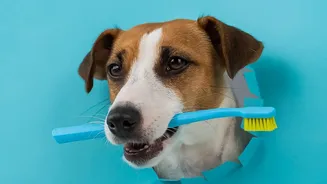
Grooming goes far beyond the coat. Overgrown nails are a common and often overlooked problem. If you can hear your dog’s nails clicking on the floor, it’s a sign they are too long. Long nails can alter your pet's posture, cause discomfort while walking, and even grow into the paw pads, leading to pain and infection. Similarly, ears need regular inspection, especially in floppy-eared breeds. Look for redness, swelling, or an unusual smell, as these can be signs of an ear infection that needs veterinary care. Don't forget dental health. Bad breath is more than just unpleasant; it's often a sign of periodontal disease, which affects a vast majority of dogs by middle age and can lead to more severe health issues. Regular checks allow you to spot tartar buildup or inflamed gums early on.
When to Call a Professional
An observation routine empowers you to handle day-to-day maintenance, but it also helps you know when to seek expert help. If you find significant matting close to the skin, it’s best to see a professional groomer who can safely remove it without injuring your pet. Likewise, if your daily check reveals signs of infection, persistent skin issues, lumps, or significant changes in your pet’s behaviour or mobility, it's time to consult your veterinarian. Professional groomers are also skilled at tasks that many owners find difficult, such as expressing anal glands or giving breed-specific haircuts. They are often the first line of defence in spotting health concerns you might miss.