



Why Going Native is a Smarter Choice
For years, urban gardening often meant a struggle to keep delicate, exotic plants alive in the harsh Indian climate. The secret to a thriving garden with less effort lies in choosing species that belong here. Native plants are species that have evolved
over millennia to perfectly suit local conditions. This gives them a powerful advantage. They are naturally resilient to scorching summers and heavy monsoon rains, requiring significantly less water once established. Because they have built-in resistance to local pests and diseases, you can avoid using harsh chemical pesticides. This shift towards native species is not just about easier gardening; it is about creating sustainable, low-maintenance green spaces that work with the environment, not against it.
Flowering Wonders for Compact Spaces
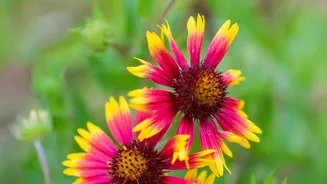
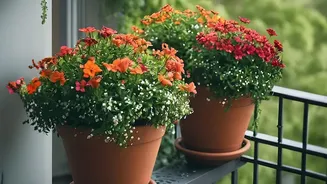
A small balcony doesn't mean you have to sacrifice colour and fragrance. Many native flowering plants are perfectly happy in containers and require minimal fuss. Marigold (Genda): A staple in Indian culture, the vibrant marigold is incredibly easy to grow in pots. It thrives in full sun and adds a burst of yellow and orange to any space. Arabian Jasmine (Mogra): Known for its intoxicating fragrance, Mogra is a beloved choice. This vining plant can be grown in a pot with a small trellis and does well on sunny balconies, releasing its beautiful scent in the evenings. Hibiscus (Gudhal): With its large, dramatic blooms, the hibiscus is a stunning addition. Available in various colours, it grows well in large pots and loves the sun, rewarding gardeners with consistent flowers. Aparajita (Butterfly Pea): This graceful climber with striking blue or white flowers is ideal for balcony railings. It is drought-tolerant and thrives with little care, creating a beautiful natural screen.
Your Balcony's Edible Garden
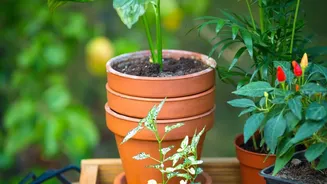
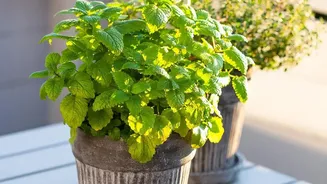
Beyond just flowers, your small space can provide fresh, native flavours for your kitchen. Many traditional Indian herbs and vegetables are surprisingly well-suited for container gardening. Tulsi (Holy Basil): Revered in Indian households, Tulsi is a must-have. It thrives in a sunny spot, purifies the air, and its leaves can be used for tea and religious purposes. It also helps deter mosquitoes. Curry Leaf (Kadi Patta): No South Indian dish is complete without it, and having a fresh supply on your balcony is a game-changer. This plant grows well in a medium-sized pot in a warm, sunny location. Mint (Pudina): This fast-growing herb is perfect for containers. It provides an endless supply for chutneys and drinks, and its growth is easily contained within a pot. Chillies: Several compact varieties of chilli plants are ideal for pots. They are productive and add both spice and colour to your edible garden, thriving in the Indian climate.
Creating a Miniature Ecosystem
Choosing native plants goes beyond personal enjoyment; it's a vital contribution to urban biodiversity. These plants provide essential food and shelter for local birds, bees, butterflies, and other beneficial insects that struggle to survive in cities dominated by exotic species and concrete. A balcony filled with native flora like Hibiscus, Parijat, or even a small Neem sapling can become a tiny, thriving ecosystem. It restores a piece of the natural world, helping to support local food webs and create a healthier, more resilient urban environment. By making this conscious choice, your small garden becomes part of a larger movement to reconnect our cities with nature, fostering a sense of place and celebrating India's rich natural heritage.