




The Dangers Lurking in Damp Paws
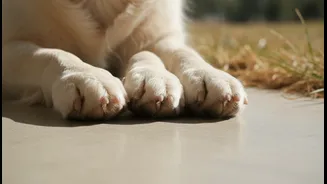
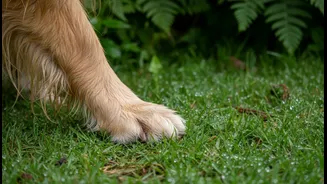
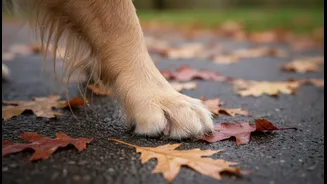
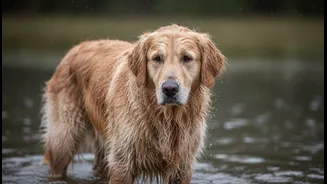
While splashing through puddles is fun, your dog's paws are bearing the brunt of it. Constant moisture trapped between the paw pads creates a perfect breeding ground for bacteria and fungi. This can lead to a painful condition called pododermatitis, which
is inflammation of the skin on the feet. You might notice your dog constantly licking or chewing their paws, which can make the irritation worse. The skin can become red, swollen, and develop a foul odour. In India's humid monsoon climate, the risk of these fungal and bacterial infections spikes, making paw hygiene more critical than ever.
Your Post-Walk Paw Cleaning Ritual
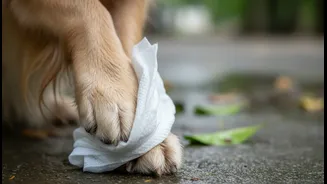
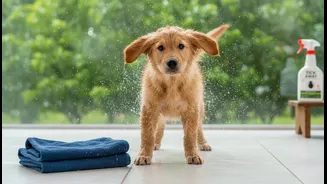
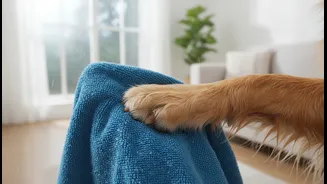
Making paw cleaning a non-negotiable part of your routine is the best defence. First, gently rinse your dog’s paws with lukewarm water. Using a soft towel or a microfiber cloth, dry them thoroughly, paying special attention to the areas between the toes where moisture loves to hide. This is also a great time to inspect the paw pads for any small cuts, thorns, or signs of irritation. For long-haired breeds, keeping the fur between their paw pads trimmed short can prevent mud and debris from getting trapped and reduce drying time. A quick wipe-down after every single walk can save your pet from significant discomfort and you from a potential vet bill.
Why Ears Need Attention Too
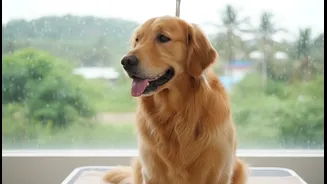
The same humidity that affects paws also puts your dog's ears at risk. Moisture trapped in the ear canal can disrupt the natural balance of flora, leading to painful yeast or bacterial infections. This is especially true for breeds with long, floppy ears that have poor air circulation. An ear infection can be extremely uncomfortable, causing your dog to shake its head excessively, scratch at its ears, or show signs of pain when touched. You might also notice a bad smell, redness, or discharge from the ear canal, all of which are signs that an infection is brewing.
How to Safely Check and Clean Ears
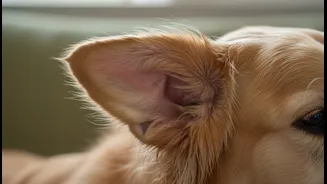
Checking your dog's ears should be a regular habit. A healthy ear should be pale pink, clean, and without any odour. After a wet walk, use a soft, dry cloth or cotton ball to gently wipe the outer part of the ear and the visible crevices. Never insert anything deep into the ear canal, like a cotton swab, as you could cause serious damage. If you need to do a more thorough cleaning, use a veterinary-approved ear cleaning solution. Squirt the solution into the ear canal, massage the base of the ear for about 30 seconds, and then let your dog shake their head. This will help loosen and bring up any debris, which you can then wipe away from the outer ear.
Beyond Paws and Ears: A Full Dry-Down
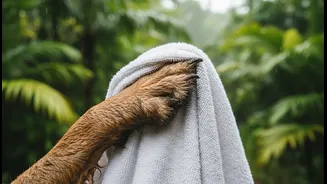
While paws and ears are high-risk areas, don't forget the rest of your dog's coat. A perpetually damp coat can lead to skin infections, including painful 'hot spots' (acute moist dermatitis), where bacteria multiply rapidly on irritated skin. After every monsoon outing, give your dog a thorough towel-dry. For dogs with thick or long fur, you might even consider using a hairdryer on a low, cool setting to ensure their coat is completely dry, especially around the belly and in skin folds. This extra step helps prevent the growth of fungi and bacteria that thrive in the dampness of the rainy season.