





The thrill of discovering Karnataka’s magnificent waterfalls, especially during the monsoon, is an unmatched experience. But the lush, damp trails are also home to leeches and insects. Here’s how to stay prepared and ensure they don't spoil your trip.
Understanding the Environment
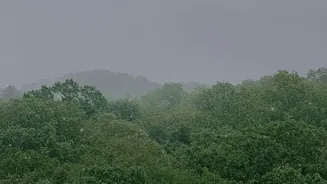
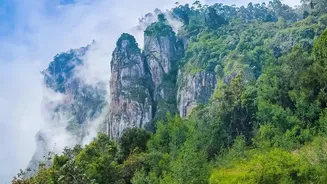
The Western Ghats in Karnataka transform into a vibrant green paradise during and after the monsoon. This lush, humid environment is the perfect breeding ground for a variety of creatures, including leeches and insects. Leeches, in particular, thrive in damp, cool, and dark places, often hiding in wet soil, on low-lying foliage, or near streams. They are most active after rainfall. While the thought of a leech might be unsettling, they are a natural part of a healthy forest ecosystem and do not transmit diseases. Their bites are painless due to a natural anesthetic they release, but an anticoagulant in their saliva can cause the wound to bleed for some time. Besides leeches, the monsoon also sees an increase in other insects like mosquitoes, fireflies, and cicadas, whose buzzing is a hallmark of the season.
Dressing for a Monsoon Trek
Your first and most effective line of defense is your clothing. Opt for quick-drying synthetic fabrics like nylon or polyester and avoid cotton, which absorbs moisture and takes a long time to dry. Full-length trousers and long-sleeved shirts are essential to minimize exposed skin. Tucking your trousers into a pair of thick, long socks creates a barrier that makes it difficult for leeches to find their way to your skin. For even better protection, consider investing in a pair of anti-leech socks. These are often made of tightly woven, water-repellent material and extend up to the knee, providing a formidable obstacle. Sturdy, closed-toe trekking shoes with a good grip are non-negotiable for navigating slippery trails and protecting your feet. Wearing light-colored clothing can also make it easier to spot any leeches or insects that may have latched on.
Repellents and Prevention on the Trail
Applying an effective insect repellent is another crucial step. Products containing DEET are highly effective against both leeches and other biting insects like mosquitoes. For those who prefer alternatives, repellents with Picaridin or natural options like Oil of Lemon Eucalyptus are also good choices. Apply the repellent to all exposed skin, paying special attention to your ankles, legs, and neck. While hiking, remain vigilant. Avoid sitting directly on damp ground, logs, or leaning against dense, wet vegetation. If you take a break, choose a dry, sunny spot if possible, as leeches avoid direct sunlight and heat. Periodically check your shoes, socks, and trousers for any climbing critters. It’s much easier to flick a leech off before it attaches.
How to Safely Remove a Leech
If you find a leech attached to your skin, the most important thing is not to panic or yank it off. Pulling it can cause its mouthparts to remain embedded in your skin, which may lead to irritation or infection. Also, avoid using salt or fire, as this can cause the leech to regurgitate into the wound. The safest method is to break its suction. Gently slide a fingernail, the edge of a credit card, or any thin, blunt object under its mouth (the narrower end) and flick it off. Once the leech is removed, the bite will likely bleed for a while due to the anticoagulant. Clean the wound thoroughly with soap and water or an antiseptic wipe. Apply firm pressure with a clean cloth or bandage to control the bleeding. The wound may itch as it heals; try to avoid scratching it.
Beyond Leeches: Other Insects of Note
While leeches get most of the attention, other insects are also part of the monsoon experience in Karnataka. Mosquitoes can be a nuisance and may carry diseases, so using a good repellent is wise. The monsoon also brings out fascinating creatures that are harmless and add to the magic of the forest. The air often fills with the loud, pulsating songs of cicadas, a sign that the rainy season is in full swing. As dusk falls, you might witness the enchanting light show of fireflies, whose bioluminescence indicates a healthy, thriving ecosystem. These insects are not pests but integral parts of the natural world you are there to explore. Being aware of them, and prepared for the few that bite, allows you to fully appreciate the incredible biodiversity of the region.