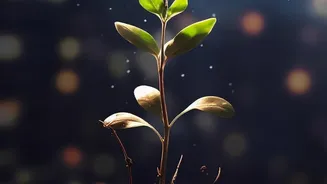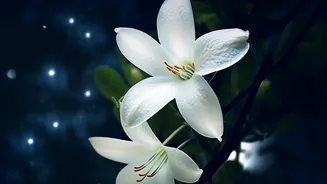







The Science of Living Light
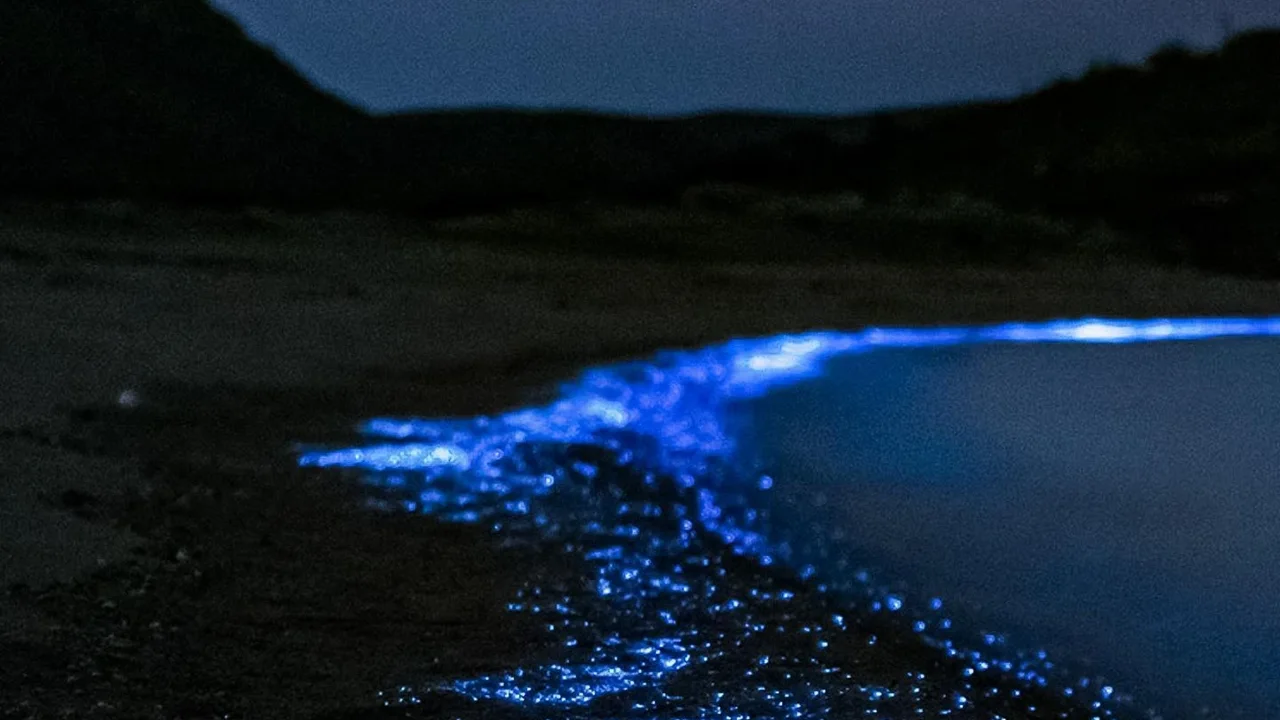
At the heart of this innovation is bioluminescence, nature’s own light show. It’s the same chemical process that allows fireflies, jellyfish, and certain fungi to glow. Organisms produce light by mixing specific enzymes and compounds, converting chemical energy
into a visible, 'cold' light that emits very little heat. For decades, scientists have dreamed of harnessing this natural ability. Early attempts involved inserting genes from fireflies or marine bacteria into plants. More recently, researchers have found that using genes from bioluminescent mushrooms is far more effective. This approach creates a self-sustaining glow within the plant, as the necessary compounds are already part of its natural metabolic cycle.
From Lab Curiosity to Commercial Product
The journey from a dimly glowing tobacco leaf in a lab to a commercially available product has been long. An early Kickstarter campaign in 2013 called the Glowing Plant project raised significant funds but ultimately failed to deliver a plant bright enough for practical use. However, the technology has advanced significantly. Today, companies like Light Bio in the United States are successfully marketing the 'Firefly Petunia'. By inserting genes from glowing mushrooms, they have created a petunia that emits a continuous, soft green glow from its flowers, stems, and leaves. These plants, approved by the U.S. Department of Agriculture, are now sold directly to consumers, marking the first major step in bringing bioluminescent botany into our homes and gardens.
Bright Enough to Replace a Streetlight?
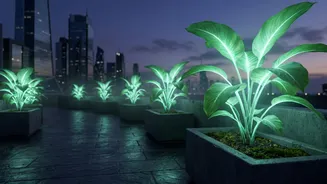
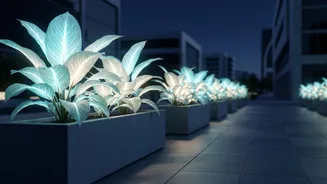
This is the crucial question. While the headline's promise is tantalizing, the reality is that current technology is not yet powerful enough to replace a modern LED streetlight. The glow from today’s Firefly Petunias is described as gentle and ethereal, similar to moonlight. To be visible, it requires a very dark environment, free from competing light sources like porch lights or even a full moon. Researchers acknowledge that the primary applications for now are decorative and ambient. Think illuminated park pathways, glowing botanical garden displays, and unique architectural accents rather than lighting up a busy intersection. The goal remains to increase brightness, with some scientists working on making plants at least ten times brighter.
The Economic and Environmental Promise
Even without replacing every streetlight, the potential for energy savings is substantial. Public lighting can be one of the largest expenses for a city, and reducing this dependency would have a major financial and environmental impact. Self-lighting plants require no electricity, consuming only sunlight, water, and nutrients to grow and glow. This offers a path toward reducing carbon emissions associated with power generation. Proponents envision a future where bioluminescence complements existing lighting systems, handling low-level illumination in parks, public squares, and along residential streets, thereby cutting down on overall electricity consumption. As a sustainable, living light source, it could be a key component in the eco-friendly cities of the future.
Hurdles on the Path to a Glowing Future
Several challenges remain before glowing flora becomes a common urban feature. The first is brightness and stability. Scientists are still working to create a glow that is intense and long-lasting enough for widespread practical use. Another major consideration is public perception and regulation of genetically modified organisms (GMOs). While the Firefly Petunia was deemed safe and not an invasive threat in the U.S., broader public acceptance will be key for large-scale municipal projects. Furthermore, potential ecological impacts must be carefully studied. Introducing large numbers of glowing plants could affect nocturnal insects, pollination patterns, and the behavior of other wildlife like birds.