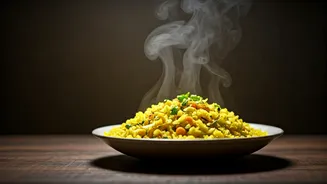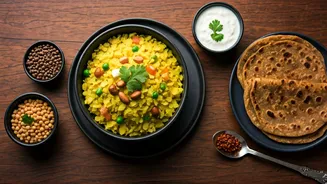




1. Poha: The Flattened Rice Powerhouse
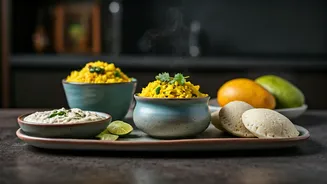
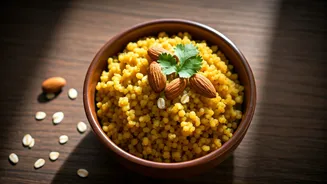
A staple in Western and Central India, poha is made from flattened rice, lightly tossed with onions, potatoes, spices, and often garnished with fresh coriander and lemon juice. Its appeal lies in its simplicity and lightness. It’s incredibly easy to digest,
making it a perfect meal to kickstart your metabolism without feeling heavy. Nutritionally, it's a winner. Poha is a good source of healthy carbohydrates, providing sustained energy. It's also rich in iron; squeezing lemon juice over it helps your body absorb this essential mineral more effectively. Being naturally low in gluten and calories, it serves as a fantastic option for those managing their weight or with gluten sensitivities. To make it even healthier, pack it with vegetables like peas and carrots and go easy on the oil.
2. Idli: The Steamed, Gut-Friendly Classic
Soft, fluffy, and pearly white, the humble idli is a South Indian icon for good reason. Made from a fermented batter of rice and urad dal (black lentils), these steamed cakes are one of the healthiest breakfasts you can eat. The fermentation process breaks down the starches and proteins, making them easier for your body to process. More importantly, it boosts the B-vitamin content and populates the batter with probiotics, which are fantastic for gut health. Since idlis are steamed and not fried, they contain no saturated fat or cholesterol. They offer a balanced mix of carbohydrates and protein, keeping you full and energised for hours. Paired with sambar (a lentil-based vegetable stew) and coconut chutney, it becomes a complete, wholesome meal.
3. Moong Dal Cheela: The Protein-Packed Pancake
If you're looking for a serious protein boost to start your day, look no further than moong dal cheela. These savoury pancakes are made from a batter of soaked and ground moong dal (split yellow lentils) and are a popular breakfast choice in North India. Moong dal is an excellent source of plant-based protein and dietary fibre, which helps in muscle repair and keeps you satiated, curbing mid-morning hunger pangs. These crepes are also rich in essential minerals like potassium, magnesium, and iron. They are light on the stomach and have a low glycemic index, which aids in regulating blood sugar levels. You can stuff your cheela with paneer or mixed vegetables to add extra nutrients and flavour, making it a truly power-packed breakfast.
4. Upma: The Wholesome Semolina Dish
Often misunderstood, a well-made upma is both delicious and incredibly nutritious. This thick porridge, made from dry-roasted semolina (suji), is a quick and filling breakfast option. The key to its health benefits lies in its core ingredient. Semolina is made from durum wheat and is a good source of complex carbohydrates, which digest slowly and provide a steady release of energy. It’s also rich in iron and magnesium. The true power of upma is its versatility. You can load it with a variety of vegetables like carrots, beans, and peas, instantly increasing its fibre and vitamin content. Using minimal oil and a tempering of mustard seeds, dals, and curry leaves adds flavour without unnecessary calories, transforming it into a balanced and satisfying meal.
5. Ragi Dosa: The Millet Marvel
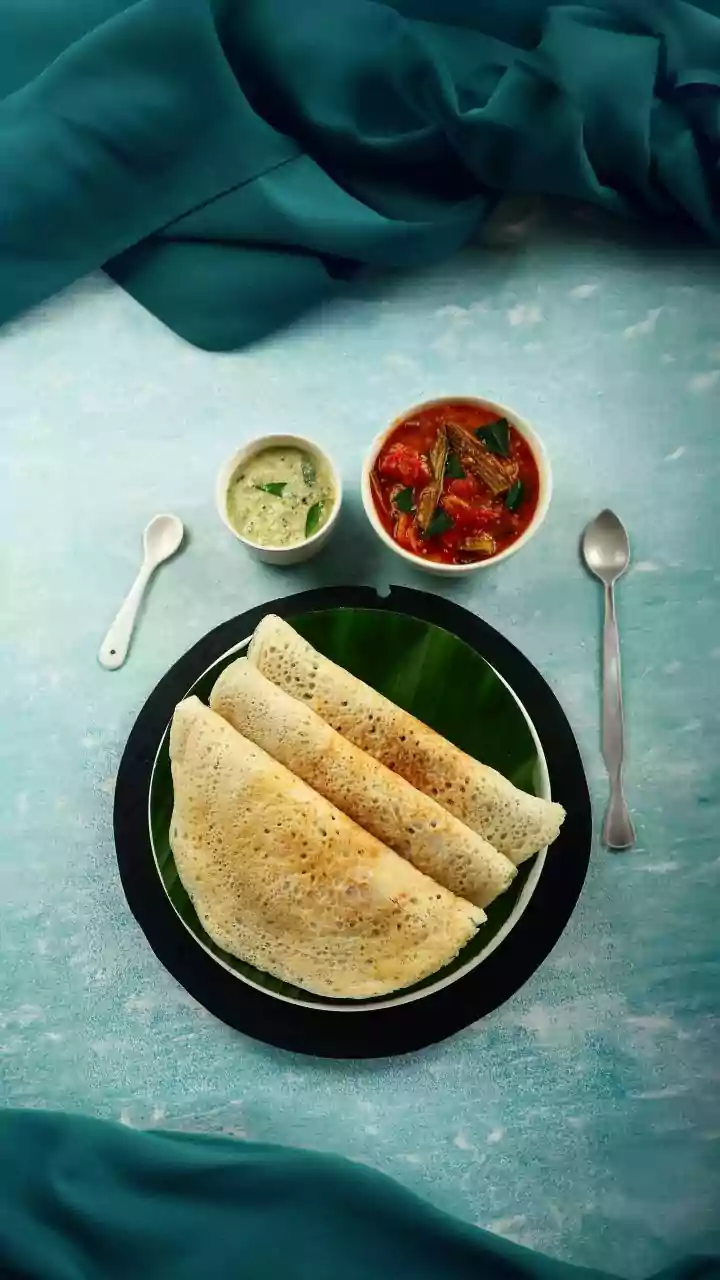
As ancient grains make a comeback, ragi (finger millet) is leading the charge. Ragi dosa is a fantastic, gluten-free alternative to the traditional rice dosa. This dark, earthy crepe is a nutritional powerhouse. Ragi is one of the best non-dairy sources of calcium, crucial for bone health. It's also packed with dietary fibre, which aids digestion and helps manage weight. Its complex carbohydrates prevent sudden spikes in blood sugar, making it an excellent choice for diabetics. Furthermore, ragi is rich in antioxidants and amino acids that contribute to overall well-being. While it has a distinct taste, it pairs wonderfully with flavourful chutneys and sambar, offering a rustic and deeply nourishing start to your day.