

The Autumn Advantage: A Perfect Balance
Meghalaya is often visited during the peak winter months, from October to February, for its clear skies and comfortable temperatures. However, this popularity means more tourists, especially during festival periods like the Shillong Cherry Blossom Festival
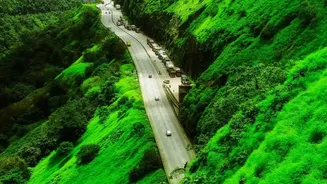
in November. Autumn, particularly from September through early November, offers a perfect shoulder season. The monsoon rains have subsided, but the landscape remains intensely lush and green. You get the best of both worlds: pleasant, cool weather perfect for trekking and sightseeing, but with significantly fewer people than in the peak winter season. The trails are less slippery than in the monsoon, and the lingering moisture keeps the scenery vibrant.
Chasing Waterfalls After The Rains
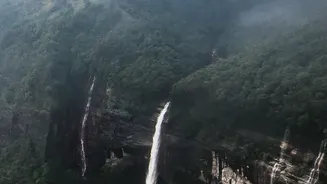
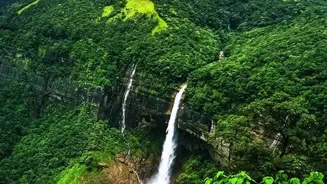
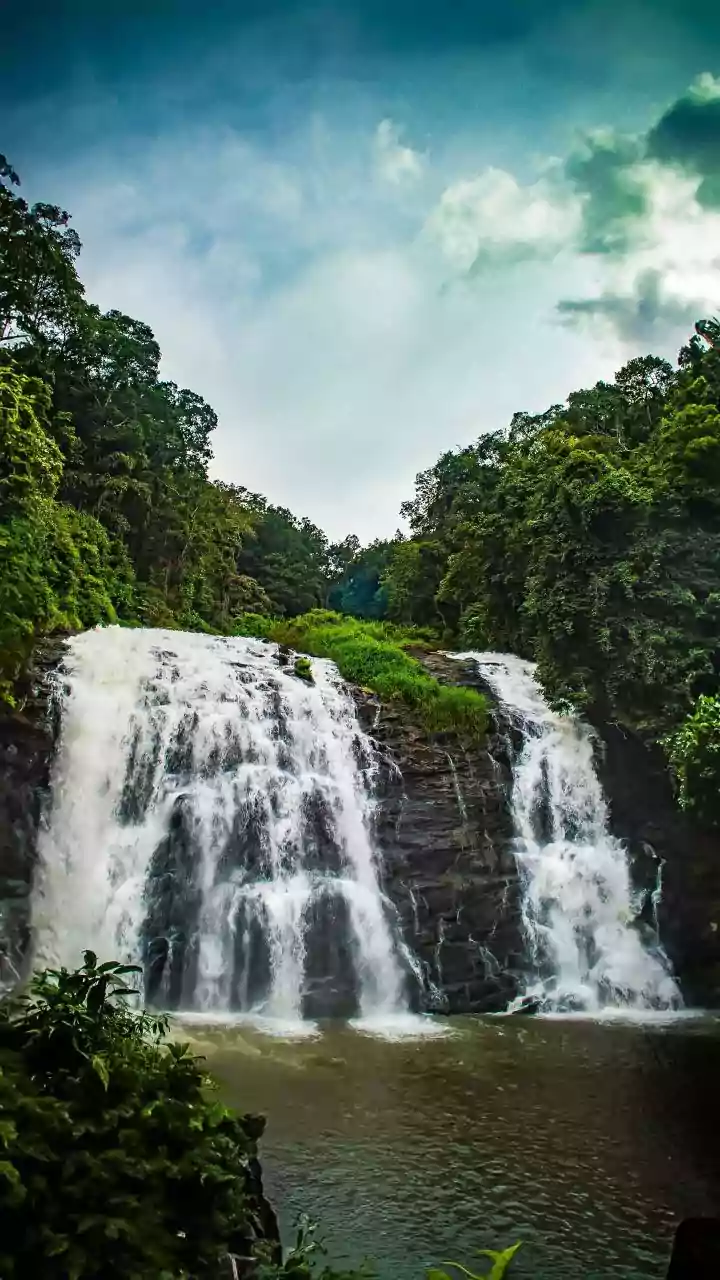
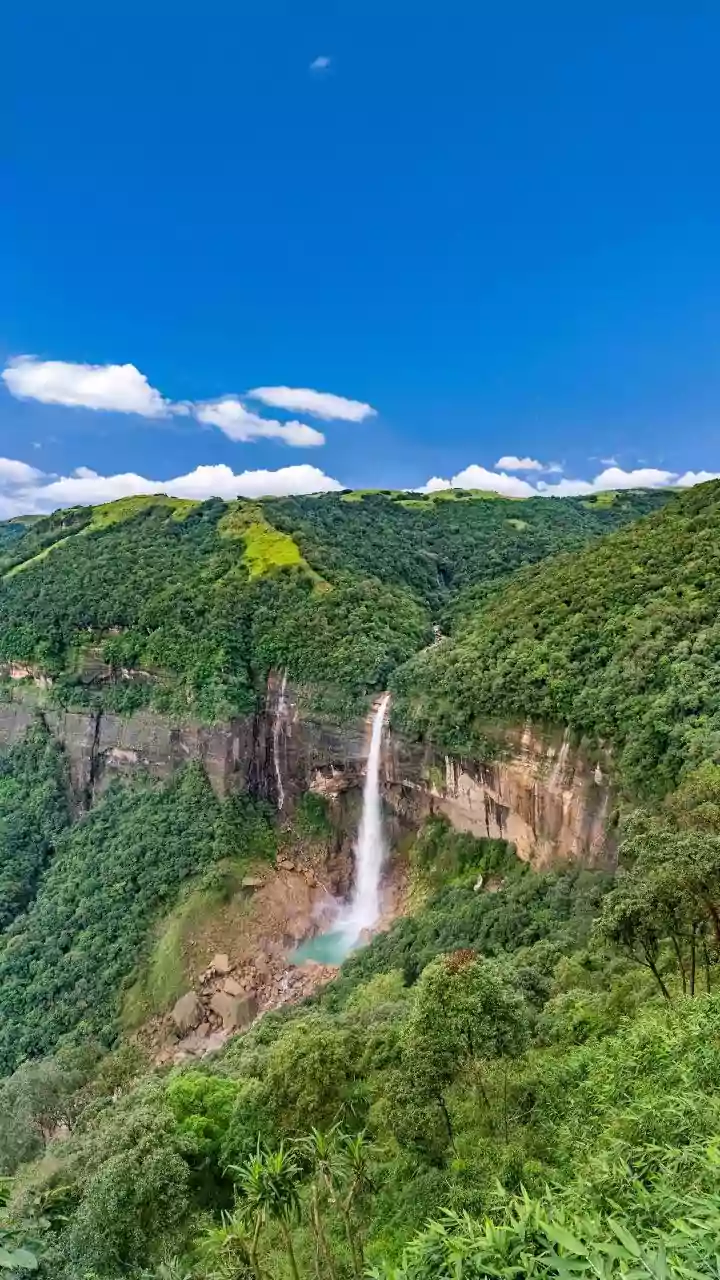
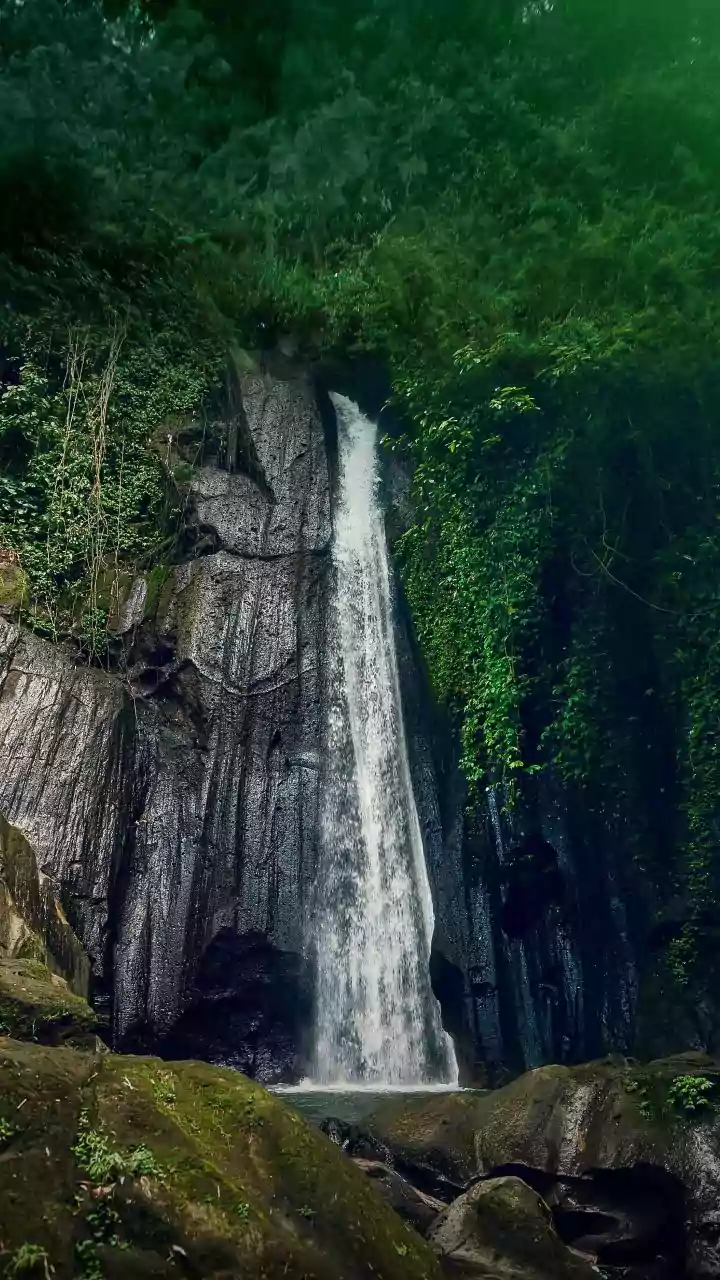
Monsoon is when Meghalaya's waterfalls are at their most powerful, but heavy rain can make access difficult. In autumn, the cascades are still magnificent, fed by the recent rains, but the weather is far more cooperative. This is an ideal time to witness iconic waterfalls like Nohkalikai, India's tallest plunge waterfall, and the Seven Sisters Falls. While the flow might be slightly less intense than in July, the clearer skies mean you are more likely to get an unobstructed, breathtaking view without the thick fog that can obscure the sights during the monsoon. The post-monsoon period offers a fantastic balance of impressive water volume and safe, accessible viewing points.
Walking The Living Root Bridges
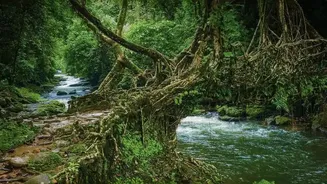
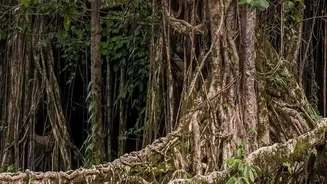
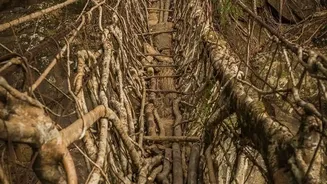
The living root bridges, particularly the famous Double Decker bridge in Nongriat village, are a primary draw for visitors. Reaching this marvel of bio-engineering requires a trek down approximately 3,500 steps. Undertaking this journey in autumn means the stone steps are much less slippery and hazardous than during the wet season. More importantly, the trails are less congested. This allows for a more serene and personal experience, letting you truly appreciate the quiet genius of the Khasi people who created these structures over centuries. With fewer people, you can take your time, soak in the atmosphere of the dense jungle, and capture photos without a crowd in the background.
Beyond The Main Attractions
An autumn trip also allows for comfortable exploration of Meghalaya's other wonders. You can visit the crystal-clear waters of the Umngot River in Dawki, which begin to clear up in late October and November after the monsoon sediment settles. It's also an excellent time for caving, as many of the region's famous limestone caves are more accessible with lower water levels. You can explore Mawlynnong, once known as Asia's cleanest village, and its own single-decker root bridge with greater ease. The pleasant weather is also perfect for visiting cultural sites in Shillong, like the Don Bosco Museum, and wandering through the local markets.
Practical Tips For Your Autumn Visit
While autumn sees fewer tourists than winter, it's still wise to book accommodation in advance, especially if you plan to stay in popular areas like Cherrapunji (Sohra) or Nongriat village. Pack layers of clothing; days can be pleasantly warm, while evenings and early mornings can be crisp and cool. Although the heavy rains are over, it's always a good idea to carry a light rain jacket or umbrella for occasional showers. Good-quality trekking shoes with a firm grip are essential, particularly for the hike to the root bridges. Hiring a local guide is recommended for more strenuous treks to ensure safety and gain a deeper understanding of the local culture and environment.