







Start at the Top: Your Terrace and Roof
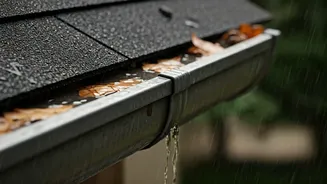
Your home's primary defence against the monsoon is its roof. Before the downpours begin, this is the most critical area to inspect. Look for any visible cracks on the terrace surface, especially in older buildings, as these are direct invitations for water
to seep in. Ensure that drainage outlets are clear of leaves, debris, and any other obstructions to prevent water from pooling, which is a leading cause of leakages. Applying a coat of waterproof sealant is a practical step that can prevent major issues down the line. There are various modern solutions available, from liquid membranes to polyurethane coatings, that create a seamless barrier against water. Taking these pre-monsoon measures is far more effective than dealing with stained and dripping ceilings mid-season.
Watch the Walls and Windows
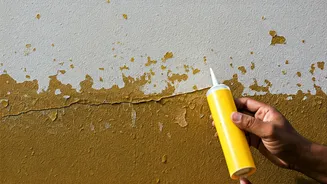
Damp patches and peeling paint are classic signs of monsoon trouble. Exterior walls, constantly battered by rain, can develop cracks that allow moisture to creep inside. A pre-monsoon inspection to fill these gaps with waterproof sealants or putty is essential. Applying a coat of high-quality waterproof paint on exterior walls acts as a shield, repelling water before it can be absorbed. Inside the house, poor ventilation is often the culprit behind dampness and mould. Whenever the rain lets up, open windows and doors to allow air to circulate. Also, try to keep furniture a few inches away from the walls to improve airflow and prevent mould from growing in hidden, stagnant spots.
Prioritise Electrical Safety
Water and electricity are a dangerous combination, and the monsoon season heightens this risk significantly. High humidity and moisture-laden walls increase the chances of short circuits and electrical shocks. Before the season starts, get a qualified electrician to inspect your home's wiring for any frayed or exposed cables. Ensure your home is equipped with a functional Earth Leakage Circuit Breaker (ELCB) or a more modern Residual Current Circuit Breaker (RCCB), which can save lives by instantly cutting off power during a fault. It's also a wise habit to unplug non-essential appliances during heavy thunderstorms to protect them from power surges caused by lightning.
Protect Your Wooden Furniture
The high humidity during the monsoon is particularly harsh on wooden furniture, causing it to absorb moisture and swell. This can lead to jammed drawers, warped doors, and even fungal growth. A simple preventative step is to apply a fresh coat of polish or wax before the rains begin; this creates a protective barrier. Avoid cleaning wooden surfaces with a wet cloth; a dry microfibre cloth is best for daily dusting. To absorb excess moisture inside cupboards and drawers, you can place natural absorbers like camphor balls, neem leaves, or silica gel packets. These small actions help preserve the life and look of your furniture without any major expense.
Manage Indoor Air and Odours
A common complaint during the monsoon is a persistent musty smell inside the house, a direct result of high humidity and trapped moisture. Ventilation is your best tool to combat this. Use exhaust fans in kitchens and bathrooms to expel moist air. On dry, sunny days, let sunlight into the house, as its UV rays are a natural disinfectant that can help kill mould spores. Natural dehumidifiers like bowls of rock salt or charcoal briquettes can be placed in damp corners to absorb excess moisture from the air. These practical solutions help maintain a fresh and healthy indoor environment throughout the rainy season.