





Makhana (Fox Nuts): The Fasting Favourite
Makhana, or fox nuts, are a staple during Janmashtami fasting for good reason. Derived from the sacred lotus plant, they are considered pure or 'sattvic', making them ideal for religious observances. Light, crunchy, and easy to digest, makhana provides
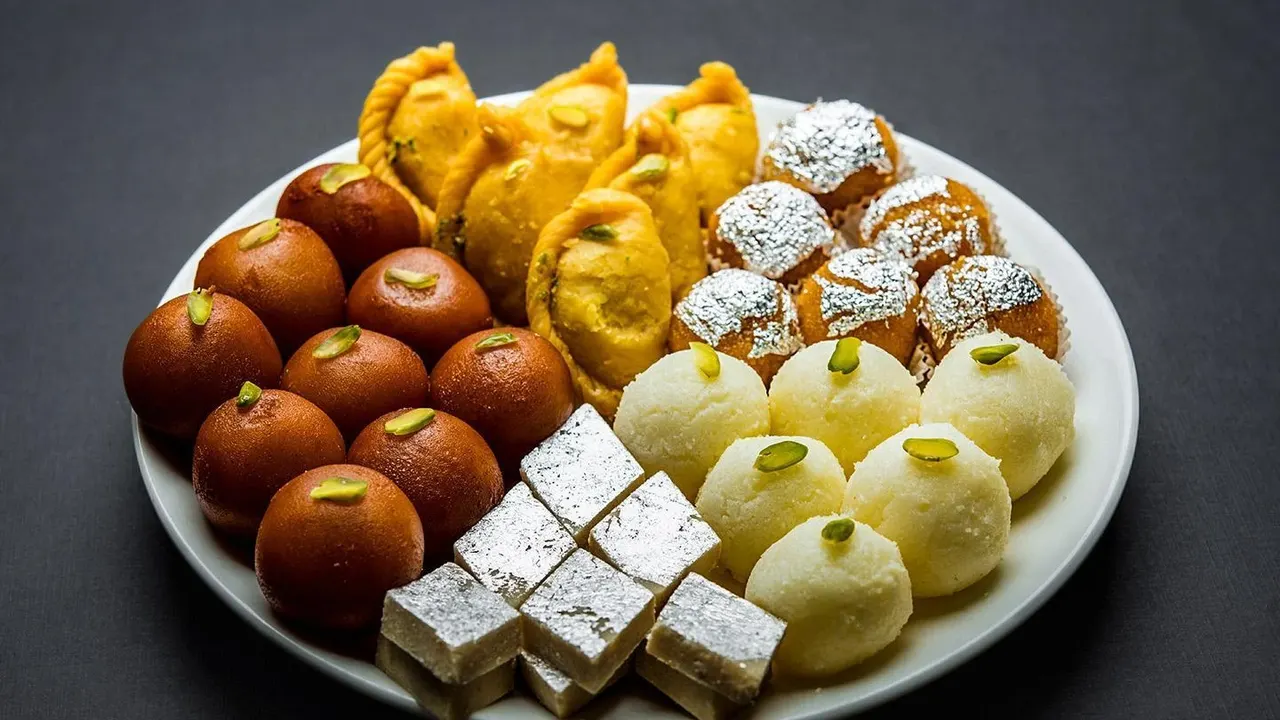
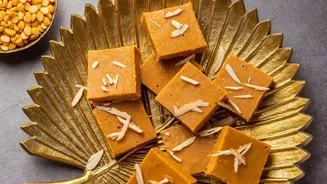
sustained energy without being heavy on the stomach. Simply roast them in a bit of ghee with a sprinkle of rock salt (sendha namak) for a perfect snack to curb hunger pangs between meals. They are also the star ingredient in festive sweets like Makhana Kheer or Makhana Paag, a traditional sweet offered as prasad.
Dry Fruits and Nuts: For Energy and Richness
A handful of nuts and dry fruits is indispensable during a fast. Almonds, walnuts, cashews, raisins, and dates provide a quick burst of energy and essential nutrients. They are vital components of many Janmashtami preparations, especially the 'bhog' or offerings made to Lord Krishna. Dry fruits are generously added to sweets like Panjiri, a roasted flour preparation, and various types of kheer and halwa to enhance their richness and flavour. They can also be eaten on their own or mixed with yoghurt for a simple, filling meal.
Fasting Flours: The Grain Alternatives
Since regular grains like wheat and rice are avoided during the Janmashtami vrat, special flours are used to prepare meals. The most common are Singhare ka Atta (water chestnut flour) and Kuttu ka Atta (buckwheat flour). These flours are used to make pooris, parathas, and cheelas that pair wonderfully with simple potato sabzi (cooked with rock salt). They are also used to make sweets like Singhare ka Halwa, a rich and delicious dessert cooked with ghee and sugar. Amaranth flour (rajgira) is another popular choice, often used for laddoos and rotis.
Sabudana (Tapioca Pearls): The Versatile Staple
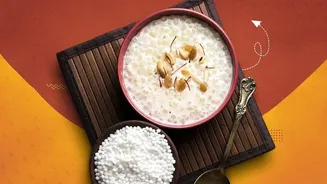
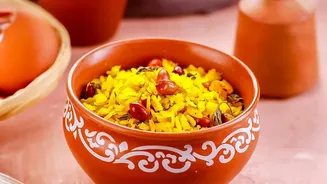
No fasting menu is complete without sabudana. These versatile tapioca pearls are used to make one of the most popular vrat dishes: Sabudana Khichdi. Cooked with boiled potatoes, roasted peanuts, and mild spices, it's a wholesome and satisfying meal. For a crispy snack, Sabudana Vada is a deep-fried patty that is a favourite in many households. For those with a sweet tooth, Sabudana Kheer, a creamy pudding cooked with milk and sugar, is a comforting and delicious option that can be enjoyed during the fast.
Dairy Delights: Milk, Curd, and Ghee
Dairy products are central to Janmashtami celebrations, symbolising Lord Krishna's childhood love for butter and milk. Milk, yogurt (curd), buttermilk, and ghee are essential items. Fresh white butter (makhan) mixed with rock sugar (mishri) is the most important offering to Lord Krishna. Panchamrit, a sacred concoction of milk, curd, ghee, honey, and sugar, is prepared for the midnight puja. Yoghurt is a cooling accompaniment to meals, often enjoyed with fruits or boiled potatoes, while ghee is the primary cooking medium for most fasting dishes, lending them an authentic, festive flavour.
Fruits and Vegetables: Fresh and Simple
Fresh fruits are a cornerstone of any 'phalahari' diet, which means a diet of fruits. Bananas, apples, pomegranates, and other seasonal fruits provide natural sugars and hydration. They can be eaten whole or as part of a fruit chaat. Among vegetables, potatoes are the most widely used, prepared as a simple curry with tomatoes and rock salt. Sweet potatoes (shakarkandi) and bottle gourd (lauki) are also permitted in many traditions and can be used to add variety to your fasting menu.