





Understanding Late-Monsoon Rafting
After being closed from July to mid-September for safety during the peak monsoon, river rafting in Rishikesh typically resumes around the third week of September. Today, September 22, 2026, operators are just beginning to get the green light, as recent
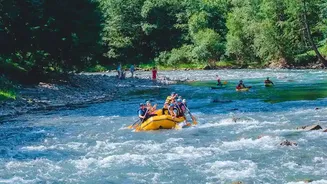
inspections have declared the Ganga's water levels suitable for rafting. This post-monsoon period means the river is fuller and faster than in the winter months, making rapids more exciting. The landscape is vibrant and green, but the powerful current demands extra caution, making preparation and awareness paramount for all rafters, especially beginners.
Essential Safety: Before You Hit the Water
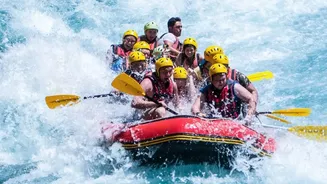
Your safety starts long before you pick up a paddle. First, choose a licensed and reputable rafting operator with experienced guides and a strong safety record. Check recent reviews and ensure they provide all necessary safety equipment, including well-fitted life jackets and helmets. Dress appropriately in quick-drying synthetic clothing; avoid cotton as it stays wet and cold. Secure footwear like waterproof sandals or sports shoes are a must—no flip-flops. Lastly, protect yourself from the sun by applying waterproof sunscreen, even on cloudy days. It's also wise to leave valuables behind or secure them in a dry bag provided by your operator.
On-Raft Safety: Your Guide Is Your Best Friend
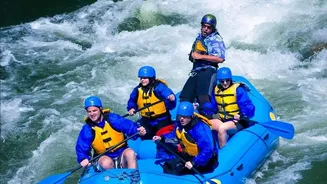
Once you're on the raft, your guide is in charge. Listen carefully to their pre-rafting briefing and on-water commands. They are trained professionals who know the river's currents and rapids intimately. Always wear your life jacket and helmet correctly; they are non-negotiable safety items. If you happen to fall into the water, the most important rule is to stay calm. Float on your back with your feet pointing downstream to fend off any rocks and wait for your guide's instructions. Never consume alcohol or drugs before or during your trip, as they impair judgment and reaction time, creating a serious risk for everyone on the raft.
Why Stretching Is Your Secret Weapon
Rafting is an active, physical sport that engages your core, back, shoulders, and arms. Arriving at the put-in point after a long car ride can leave your muscles stiff. Taking just five to ten minutes to stretch properly can dramatically improve your experience. Stretching increases flexibility, reduces the risk of muscle strain, and prepares your body for the repetitive motion of paddling. A good warm-up ensures you can paddle more effectively and stay comfortable throughout the journey, allowing you to focus on the fun and the incredible scenery around you.
Simple Stretches for Your Upper Body
These simple movements target the key muscles you'll use for paddling. First, try the overhead shoulder stretch. Extend one arm straight up, bend it at the elbow so your hand touches your upper back, and gently pull the elbow with your other hand. Hold for 20-30 seconds and switch sides. Next, perform torso twists. While standing or sitting, gently twist your upper body from side to side to loosen your back and core muscles. Finally, do arm circles. Extend your arms out to your sides and make small, controlled circles, gradually making them larger. Reverse the direction after about 15 seconds. These will prepare your shoulders and your back for action.
Essential Stretches for Your Lower Body and Core
Your lower body and core provide stability in the raft. Start with a seated piriformis stretch, which you can do on a log or the edge of a vehicle. Cross one ankle over the opposite knee and gently lean forward, keeping your back straight, to stretch your hips and glutes. Follow this with a simple standing quad stretch by holding onto something for balance, grabbing your ankle, and gently pulling your heel toward your glute. Finally, a low lunge is excellent for opening up your hips. Step one foot forward, bending the knee over the ankle, and extend the other leg back. This small routine will help prevent stiffness from sitting in the raft.