



Nature’s Automatic Watering System
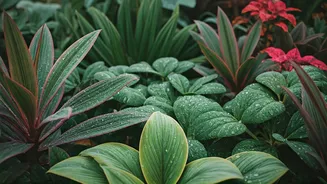
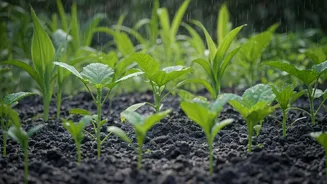
The most obvious benefit of monsoon gardening is the free, consistent, and natural watering. The daily chore of lugging a watering can or hose pipe is suddenly eliminated. Rainwater is also slightly acidic and free of the chlorine and salts found in tap
water, making it a purer, more beneficial drink for your plants. This natural irrigation encourages deep root growth and saves you significant time and effort, letting you focus on other aspects of gardening, like pruning or simply enjoying the view.
Ideal Conditions for Growth
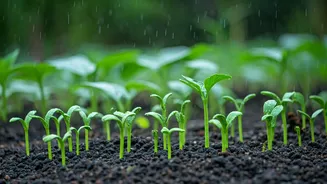
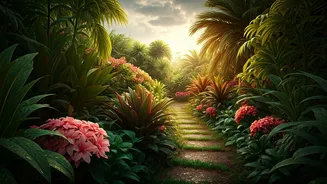
Beyond the rain, the entire monsoon atmosphere is a boon for many plants. The high humidity reduces water loss from leaves (a process called transpiration), allowing plants to conserve energy and direct it towards growth. The overcast skies and lower temperatures provide a gentle environment, protecting delicate saplings from the harsh sun that can scorch them in peak summer. This combination of moisture and mildness creates a natural greenhouse effect, accelerating germination and vegetative growth for a wide variety of flora.
Best Vegetables for Your Monsoon Kitchen
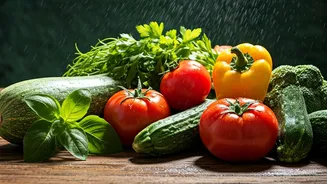
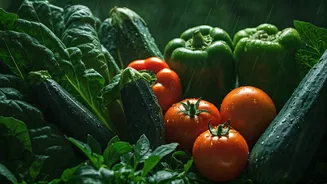
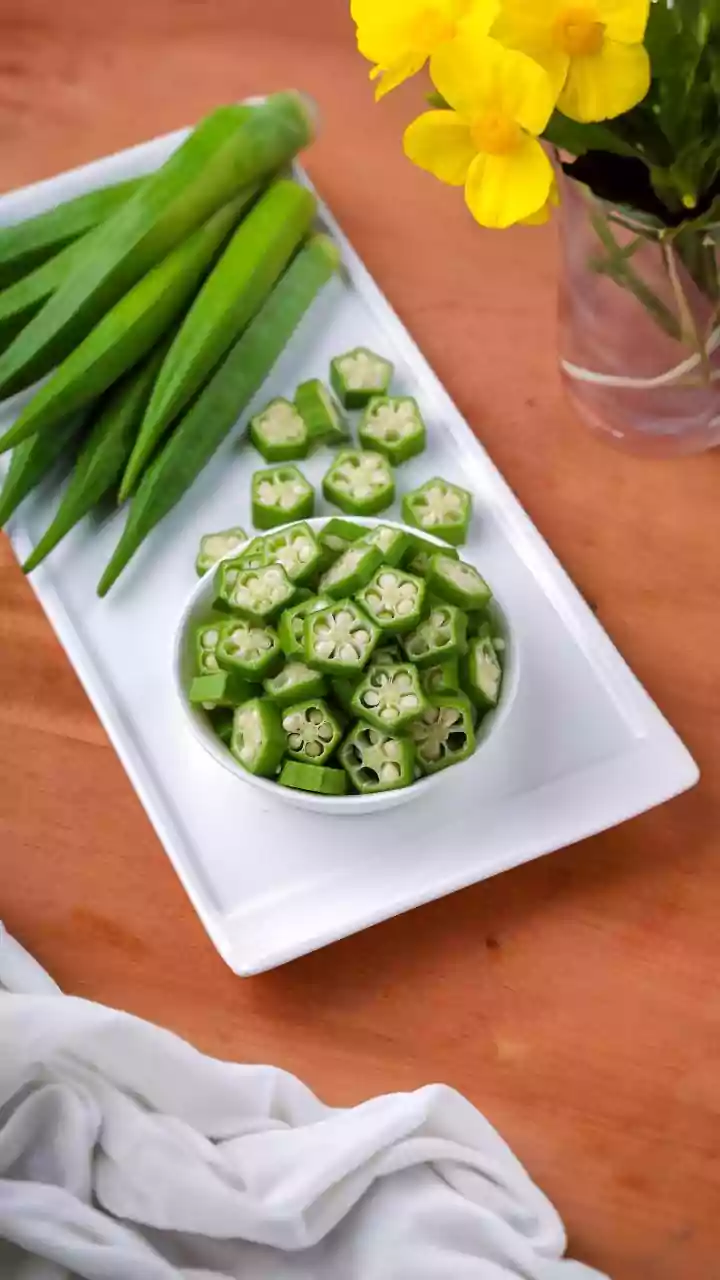
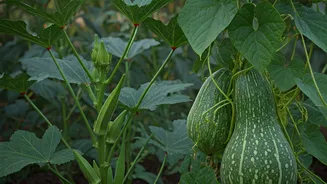
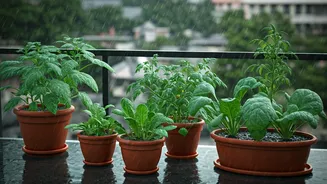
This is the perfect season for growing a host of delicious vegetables that thrive in damp conditions. Think of gourds like lauki (bottle gourd), karela (bitter gourd), and turai (ridge gourd), which grow vigorously on creepers. Leafy greens such as palak (spinach) and amaranth have a quick growth cycle. Don't forget staples like bhindi (okra), cucumbers, and various types of beans. Planting these ensures a fresh, organic supply of vegetables for your kitchen, straight from your balcony or backyard. They are relatively low-maintenance and perfectly suited to the Indian monsoon climate.
A Riot of Monsoon Flowers
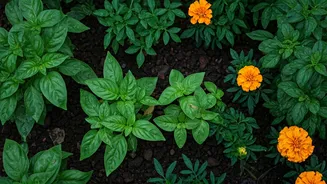
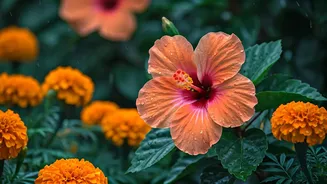
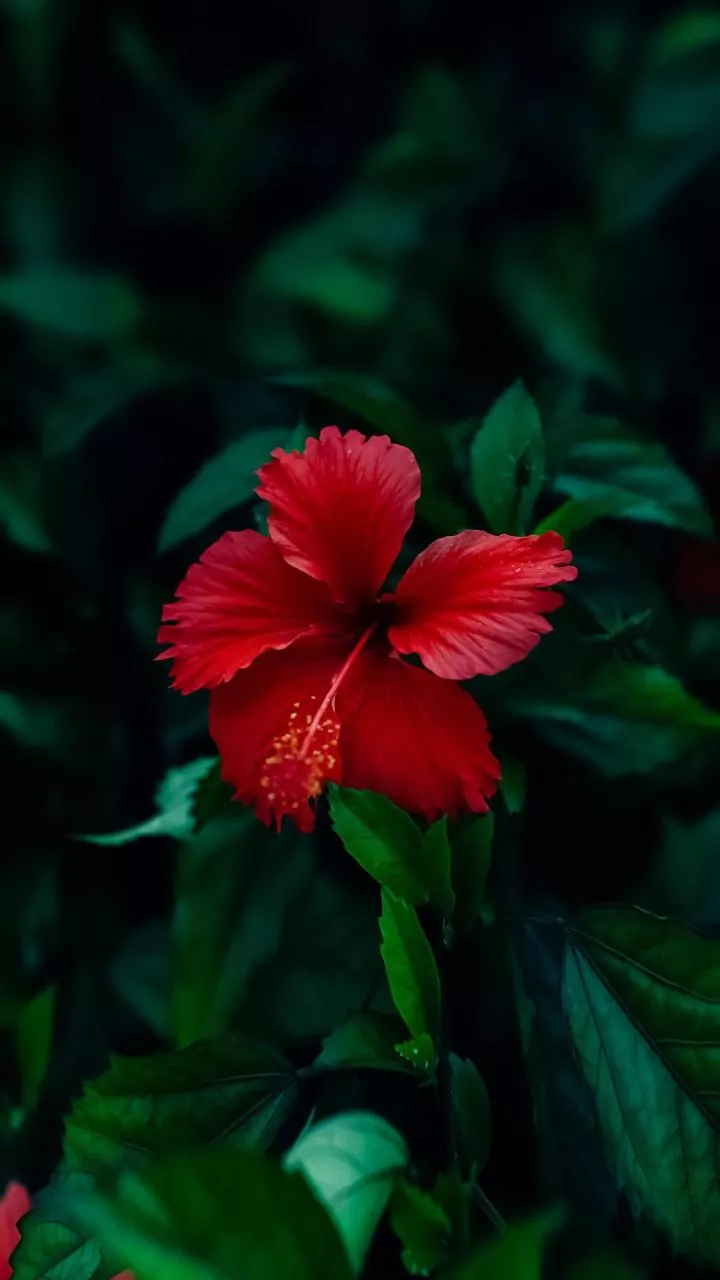
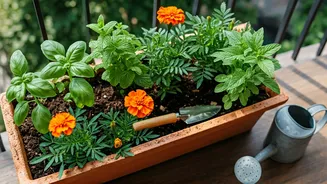
If you want to add a splash of colour to the grey landscape, the monsoon is the ideal time to plant flowering species. Marigolds (genda), with their vibrant orange and yellow hues, are not only beautiful but also act as natural pest repellents. Other excellent choices include the hardy hibiscus, which produces large, stunning blooms, and the delicate balsam (gulmehndi), which comes in shades of pink, purple, and white. Zinnias and cosmos are also fantastic options that bloom profusely during this season, attracting butterflies and bees to your garden.
Tackling the Challenge: Drainage is Key
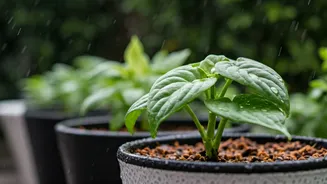
While rain is a blessing, too much of a good thing can lead to problems like waterlogging, which suffocates roots and causes them to rot. The solution is simple: ensure excellent drainage. If you're using pots, make sure they have enough drainage holes. You can add a layer of gravel or broken pot pieces at the bottom before adding soil. For garden beds, consider creating raised beds to lift the plants above the saturated ground. Using a light, well-draining soil mix (with components like cocopeat and sand) is crucial for container gardening during this season.
Keeping Pests and Fungi at Bay
The high humidity that plants love is also, unfortunately, loved by pests and fungal diseases. Snails, slugs, and various fungal infections are common monsoon-time adversaries. But you don't need harsh chemicals to fight them. Regularly inspect your plants for any signs of trouble. A simple, organic spray made from neem oil, water, and a drop of liquid soap can work wonders as a preventive measure against both pests and fungi. Ensure good air circulation around your plants by spacing them adequately, which helps keep leaves dry and discourages fungal growth.