



The Numbers Game of Protein
Walk down any supermarket aisle, and you'll see protein content highlighted on countless packages. It has become a key selling point, with consumers diligently checking labels to ensure they're meeting their daily targets. This focus stems from protein's
crucial role in everything from building muscle to immune function. However, the number of grams listed is a simple chemical measurement, usually based on an item's nitrogen content. It tells you how much protein is in the food before you eat it, but it doesn't tell you the most important part of the story: how much of that protein your body can actually break down and use. This is where the concept of bioavailability comes in, and it’s especially important when looking at plant-based protein sources.
What 'Bioavailability' Really Means
Bioavailability is a measure of how much of a nutrient—in this case, protein—is absorbed and used by the body after consumption. Animal proteins, like those from meat, eggs, and dairy, are generally highly digestible, with absorption rates around 90-95%. Your body can access and utilise most of the amino acids they contain. Plant proteins, on the other hand, are often a different story. Their digestibility can be lower, sometimes falling in the 75-80% range for whole foods. This is because plant cells have rigid walls and can contain compounds that interfere with our digestive processes, meaning a portion of the protein passes through our system without being fully absorbed.
The Plant Protein Challenge: Anti-Nutrients
One of the main reasons for the lower bioavailability of some plant proteins is the presence of natural compounds often called 'anti-nutrients'. These are not as scary as they sound, and they serve protective functions for the plant. Common examples include phytates (found in grains and seeds), tannins (in legumes and tea), and protease inhibitors (in raw legumes). These compounds can bind to proteins and minerals, making them harder for your digestive enzymes to break down and absorb. This means that even if a lentil or bean has a high raw protein count, these anti-nutrients can prevent your body from accessing all of it.
Measuring What Matters: PDCAAS and DIAAS
To get a more accurate picture of a protein's true value, scientists developed digestibility scales. The most well-known is the Protein Digestibility-Corrected Amino Acid Score (PDCAAS). This score rates a protein from 0 to 1, considering both its amino acid profile and its digestibility in humans. Animal proteins like whey and casein typically score a perfect 1.0. Many plant proteins score lower, though soy protein isolate is a notable exception that also scores highly. A newer, more precise method called the Digestible Indispensable Amino Acid Score (DIAAS) is now recommended by experts. It measures amino acid absorption in the small intestine, providing an even more accurate reflection of protein quality.
Unlocking More Nutrients From Plants
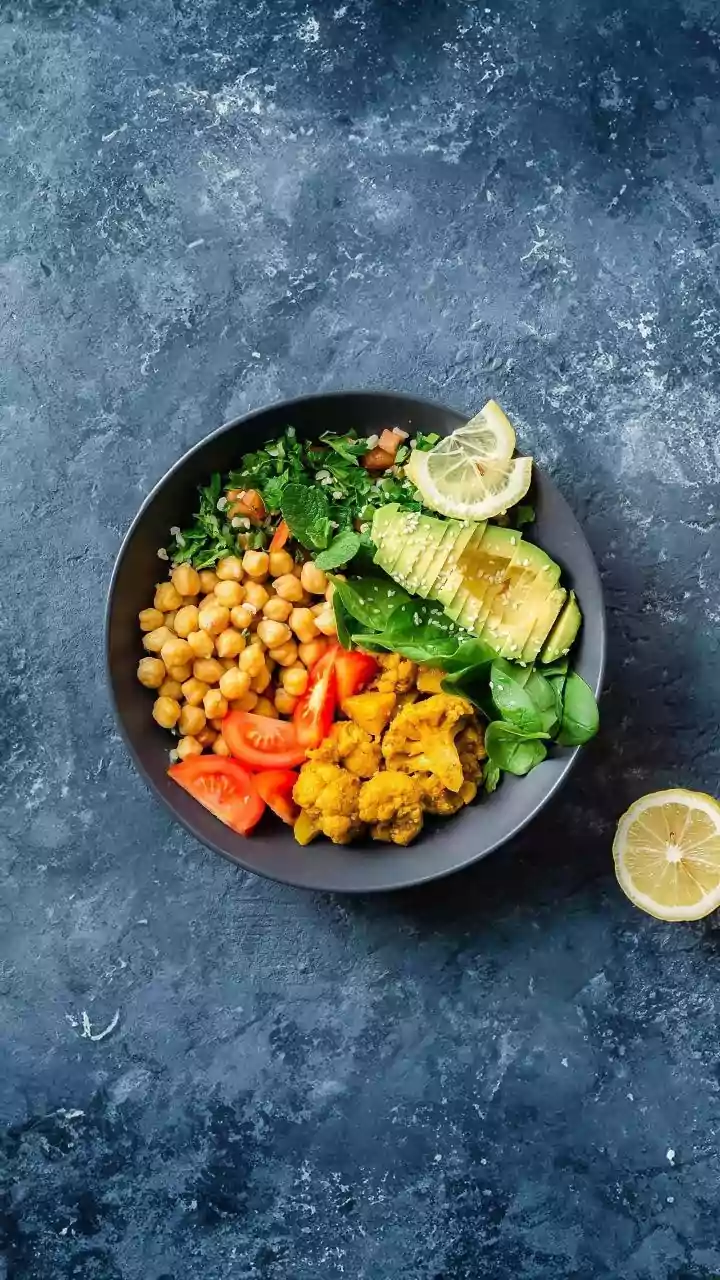
This doesn't mean you should give up on plant proteins. They offer a wealth of fibre, vitamins, and minerals. The key is to prepare them in ways that improve their digestibility and reduce anti-nutrients. Traditional cooking methods are often your best friend here. Soaking beans, grains, and legumes overnight and discarding the water can significantly reduce phytates and lectins. Sprouting and fermentation (as in foods like tempeh and sourdough bread) are also excellent ways to unlock more nutrients and make proteins more available for absorption. Furthermore, cooking helps break down tough plant cell walls, making nutrients easier to access. Combining different plant foods, like the classic dal and rice, also ensures you get a complete profile of all essential amino acids throughout your day.