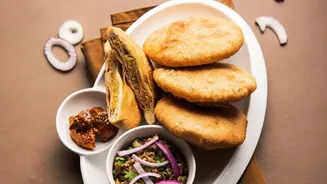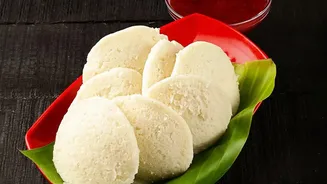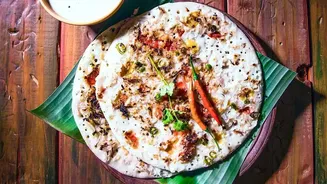

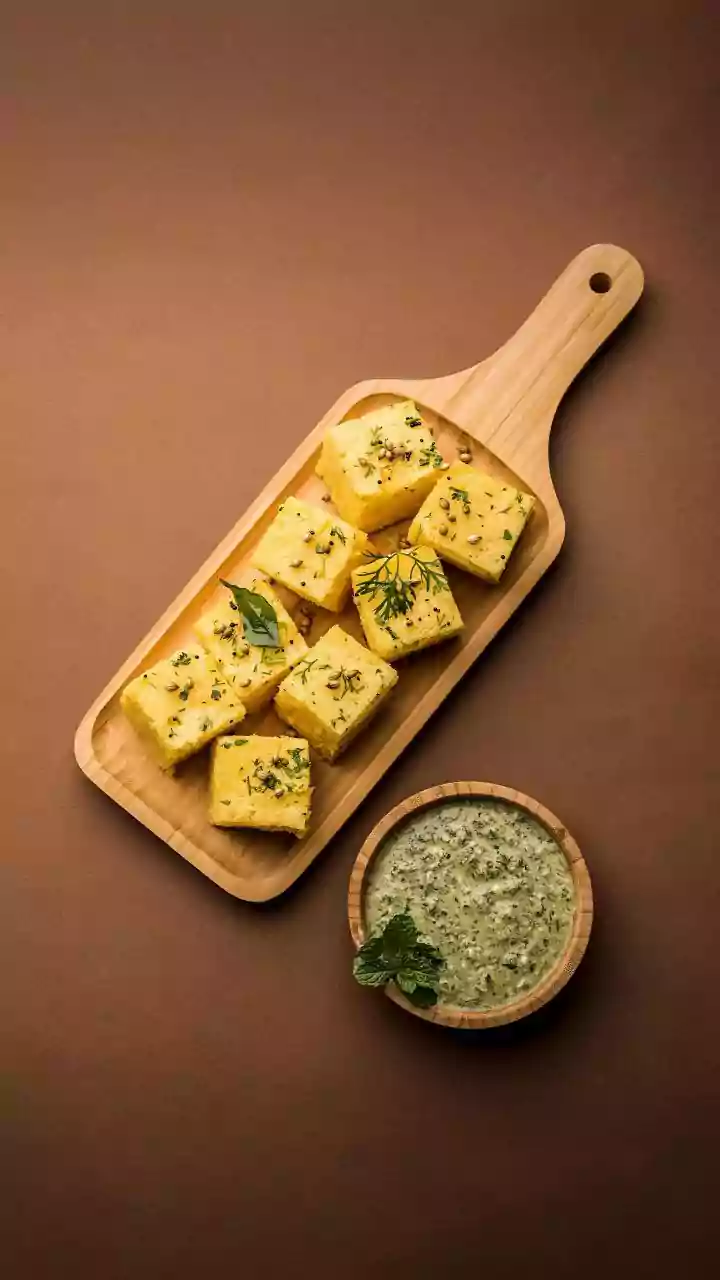
The soft, spongy texture of a fresh dhokla or the pillowy lightness of a steamed idli is a comforting experience for many. But beyond their beloved taste, these classic Indian foods hide a nutritional secret powered by an ancient culinary technique: fermentation.
The Microbial Magic Behind the Batter
At its heart, fermentation is a metabolic process where microorganisms like bacteria and yeast transform simple ingredients. When you prepare a batter for idli or dhokla and leave it to rest in a warm place, you are creating the perfect environment for these tiny organisms to work their magic. Naturally present on the lentils, rice, and in the air, these microbes begin to consume the carbohydrates in the batter. As they feed, they produce lactic acid and carbon dioxide. The gas gets trapped, causing the batter to rise and giving idli and dhokla their signature light, porous structure, while the acid provides the subtle tangy flavour and acts as a natural preservative.
A Natural Vitamin Factory
One of the most significant benefits of this process is the synthesis of new vitamins. The lactic acid bacteria (LAB) and yeasts involved in the fermentation are not just leavening agents; they are microscopic vitamin factories. As they multiply, they produce several B-group vitamins, including riboflavin (B2), thiamine (B1), folic acid (B9), and even vitamin B12. For instance, studies have shown that fermenting idli batter can substantially increase its content of riboflavin and thiamine. This process of bio-enrichment turns a simple mixture of rice and lentils into a more nutritionally complex food, which is especially valuable in vegetarian diets where sources of vitamin B12 can be limited.
Unlocking Minerals and Improving Digestion
The benefits of fermentation extend beyond just vitamins. Grains and legumes naturally contain compounds known as 'anti-nutrients', such as phytic acid. Phytic acid can bind to essential minerals like iron, calcium, and zinc, preventing your body from absorbing them. During fermentation, the microbes release enzymes, like phytase, that break down a significant portion of this phytic acid. Research indicates that fermenting idli batter can reduce phytic acid by over 60%, effectively unlocking these minerals and making them more bioavailable for your body to use. Furthermore, the process pre-digests the complex carbohydrates and proteins, making fermented foods like idli and dhokla easier on the digestive system.
Idli and Dhokla: A Tale of Two Ferments
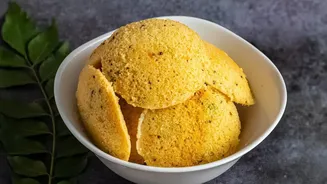
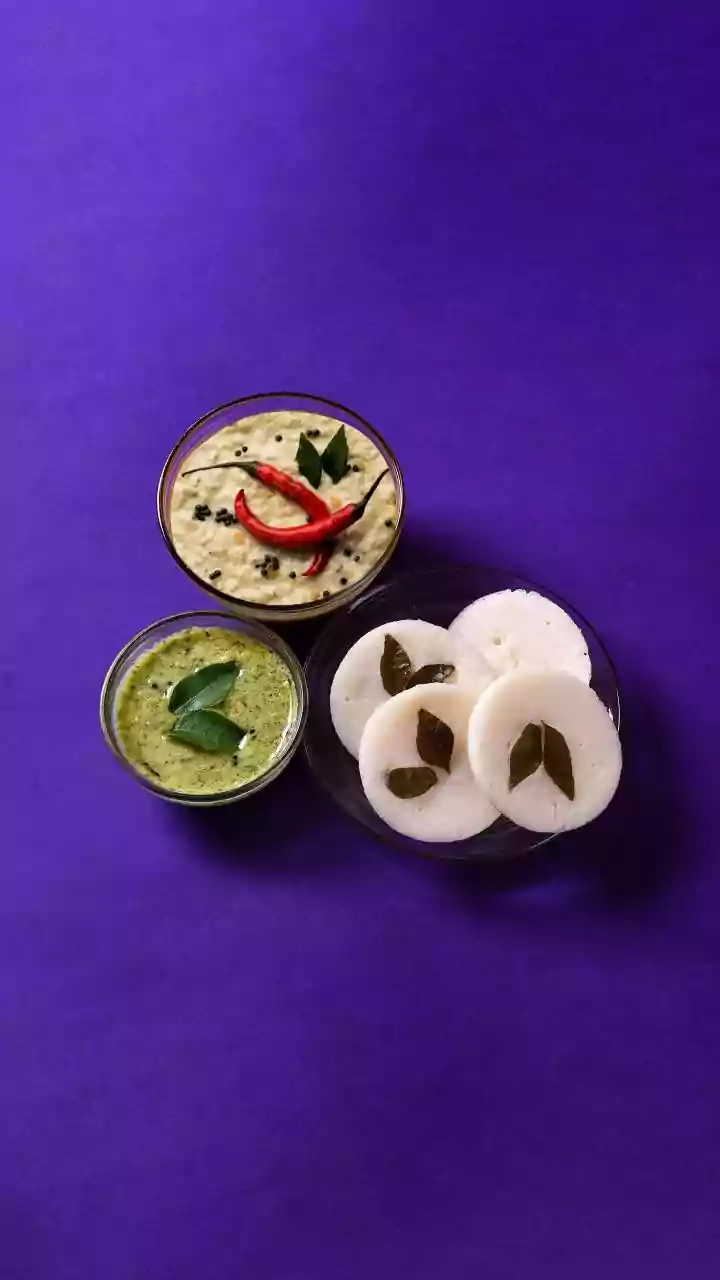
While both idli and dhokla rely on fermentation, the specifics differ slightly. Idli batter is typically made from a blend of rice and urad dal (black gram). The fermentation is primarily driven by lactic acid bacteria like Leuconostoc mesenteroides. This results in the soft, steamed cake beloved across South India. Dhokla, a staple from Gujarat, is often made from a batter of besan (chickpea flour), sometimes mixed with rice. Its fermentation also involves a community of bacteria and yeasts that contribute to its spongy texture and savoury taste. Though the base ingredients and microbial communities vary, the nutritional principle remains the same: fermentation transforms them into foods that are not only delicious but also significantly more nutritious.