



Beyond the Desert Stereotype
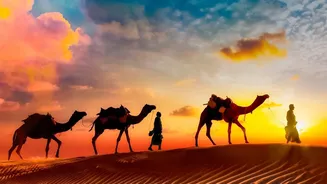
For years, Rajasthan's tourism calendar has been predictable: peak season in the cool, dry winter and a lull during the scorching summer. The monsoon was traditionally seen as an off-season. However, a noticeable shift is underway. An increasing number
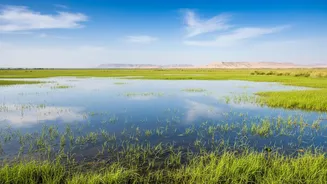
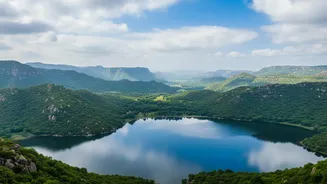
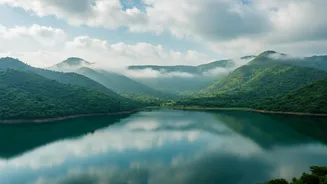
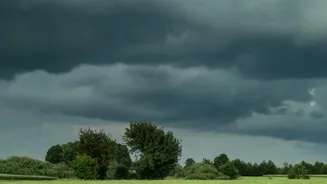
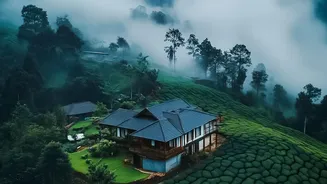
of domestic tourists are now specifically planning trips to witness the state's dramatic monsoon transformation. This trend, dubbed 'green tourism' by some experts, sees travellers venturing beyond the usual hotspots to explore landscapes rejuvenated by the rains. The appeal lies in seeing a familiar destination in an entirely new light, where dry plains become lush grasslands and serene lakes swell, reflecting dramatic monsoon skies. This surge is also driven by a broader trend in travel towards slower, more immersive, and experience-led journeys.
The Rebirth of Iconic Wetlands
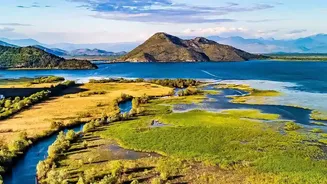
At the heart of this monsoon travel trend are Rajasthan's remarkable wetlands. Keoladeo National Park in Bharatpur, a UNESCO World Heritage Site, transforms into a vibrant paradise. While famous for its winter migratory birds, the monsoon is the crucial breeding season for resident species like storks, herons, and egrets. The park's man-made wetlands overflow, creating a thriving ecosystem for birds, reptiles, and mammals, all set against a backdrop of fresh, green foliage. Similarly, Sambhar Salt Lake, India's largest inland salt lake, offers a different kind of spectacle. The seasonal rains turn the vast salt flats into a shallow lake, attracting tens of thousands of flamingos whose presence creates a breathtaking pink-hued landscape. This annual event now draws significant numbers of photographers and nature lovers.
Emerging Monsoon Hotspots
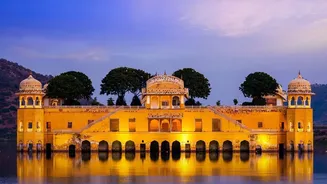
The interest extends beyond the major parks. The 'City of Lakes', Udaipur, becomes particularly magical, with its lakes like Pichola and Fateh Sagar brimming with water, making it a must-visit destination. In fact, Udaipur is actively pursuing official recognition as India's first 'wetland city' under the Ramsar Convention, a move that would further cement its status as a water-centric destination. Other locations are also gaining popularity. Bundi, with its ancient stepwells and lakes, offers a unique monsoon charm, while wildlife sanctuaries in and around Ranthambore, Sariska, and Jawai are drawing visitors for 'buffer-zone' safaris that showcase the revitalised landscape. Tour operators are increasingly creating dedicated monsoon packages that highlight these experiences, from heritage and wellness escapes in Jaipur to explorations around Chittorgarh.
A Boost for the Tourism Agenda
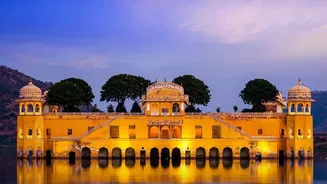
This growing demand is not going unnoticed. According to travel experts, the popularity of monsoon getaways is providing a significant boost to the state's hospitality industry, especially in smaller and emerging destinations. Improved road and air connectivity has also made these seasonal trips more convenient. State tourism officials have noted the trend, celebrating the diversified appeal of Rajasthan beyond its traditional offerings. This organic shift in traveller behaviour is effectively pushing wetland and monsoon tourism up the agenda, prompting a greater focus on promoting these seasonal assets. As travellers increasingly seek authentic nature experiences, the state's rain-fed beauty is becoming as much a draw as its storied palaces, signalling a welcome evolution in Rajasthan's tourism identity.