


Not All Pets Are Social Butterflies
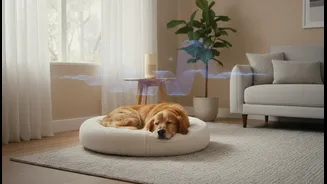
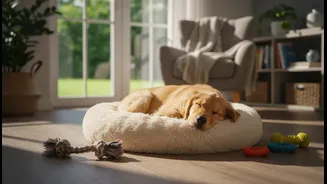
Just like people, animals have unique personalities. While some dogs and cats crave constant attention, others are naturally more independent or introverted. This can be due to a variety of factors, including breed tendencies, early life experiences,
or simply their innate character. Forcing an aloof pet into social situations can cause significant stress and anxiety. Recognizing and accepting their nature is the first step toward building a strong, trust-based relationship. A cat hiding under the bed or a dog that moves away when you approach isn't being rude; they are communicating their need for space. An animal's history, especially if they are a rescue, can also play a huge role. A lack of positive social experiences during their critical developmental window can make them wary of new people, places, and other animals.
The Dangers of Forced Interaction
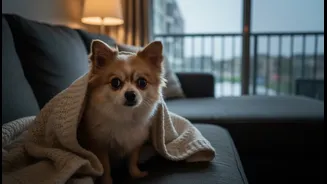
Pushing a pet beyond its comfort zone under the guise of “socialization” can backfire spectacularly. When a pet is repeatedly forced into interactions it finds scary, it doesn't learn to be brave; it learns that its feelings of fear are justified. This process, known as flooding, can intensify anxiety and may even lead to defensive aggression like snapping or biting. The signs of stress are often subtle at first. For a cat, this could be flattened ears, a rapidly swishing tail, or wide, dilated pupils. For a dog, it might be lip licking, yawning when not tired, showing the whites of their eyes (whale eye), or a tucked tail. Ignoring these whispers of discomfort can lead to a shout—a growl or a scratch—as the pet feels it has no other way to make the scary situation stop.
Speak Their Language: Reading Body Cues
Understanding your pet's body language is crucial to respecting their boundaries. A happy, relaxed dog often has a loose, wiggly body and a gently wagging tail. A trusting cat might give a slow blink, which is often called a “cat kiss.” Conversely, a stiff, frozen posture in a dog is a clear sign of distress. A cat with a puffed-up tail is feeling threatened and defensive. Instead of initiating unwanted contact, like reaching to pet a dog that is avoiding eye contact, try a more respectful approach. You can sit quietly on the floor and let the animal approach you. Tossing high-value treats from a distance can help build a positive association with your presence without the pressure of physical contact. Let the pet control the interaction; this empowers them and builds their confidence over time.
Enrichment for the Independent Pet
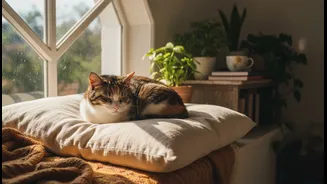
Social interaction is just one form of enrichment. For a pet that prefers solitude, there are countless other ways to stimulate their mind and body. The goal is to provide outlets for their natural behaviors in a way they find enjoyable. Puzzle feeders and foraging toys are excellent for both cats and dogs, as they engage their problem-solving skills and satisfy hunting instincts. For cats, providing vertical spaces like cat trees and window perches allows them to observe their environment from a safe distance. Hiding spots like cardboard boxes or tunnels give them a secure place to retreat when they need a break. For dogs, 'sniff walks' where they are allowed to explore scents at their own pace can be more mentally tiring and satisfying than a fast-paced run. Scent work games, like hiding treats around the house, also provide fantastic mental stimulation without forced social contact.
Building a Bond Based on Trust
A strong bond isn't measured in hours of cuddle time. For a distant pet, trust is the ultimate currency. Every time you respect their silent request for space, you are making a deposit into that trust account. Gentle, regular routines for feeding and playtime can help an anxious pet feel more secure. Short, positive training sessions using rewards can boost their confidence. Ultimately, the relationship you build with an independent pet can be incredibly rewarding. It’s a connection based not on demand, but on mutual respect and a deep understanding of their unique personality. It teaches you to appreciate their subtle ways of showing affection, whether it's a quiet presence in the same room or a brief head-nudge on their own terms.