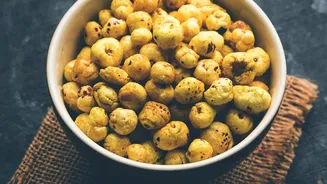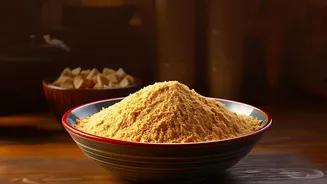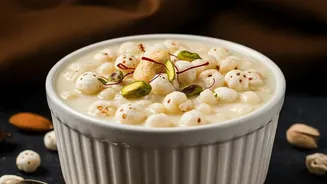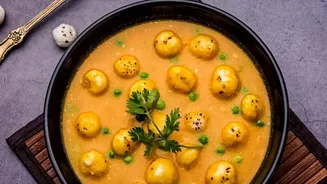



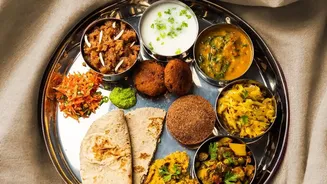

Fox Nuts (Makhana)
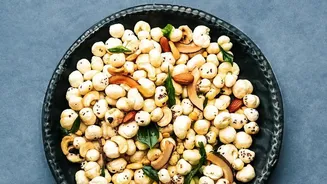
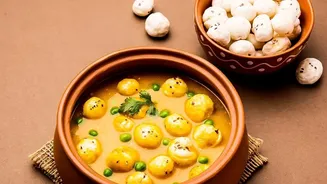
Often called puffed lotus seeds, makhana is a fasting superstar for good reason. Exceptionally light yet satisfying, it's packed with protein, calcium, and fibre. This makes it an ideal snack to maintain energy levels throughout the day without feeling
heavy. Rich in antioxidants, makhana may help combat oxidative stress in the body. Its low-calorie and low-fat profile also makes it a healthy choice. Whether roasted with a sprinkle of rock salt or turned into a creamy kheer, its versatility is unmatched. The magnesium content supports muscle and nerve function, which is beneficial during long fasting hours.
Amaranth (Rajgira)
Rajgira, or amaranth, is not a true cereal but a pseudo-cereal, which is why it's permitted during most Hindu fasts. It stands out for its impressive protein content, containing all nine essential amino acids. This makes it incredibly satiating, helping to curb hunger pangs. Being naturally gluten-free and rich in fibre, iron, and magnesium, it aids digestion and provides sustained energy. Rajgira atta (flour) is commonly used to make puris, parathas, and sheera (a sweet pudding), offering a nutritious alternative to regular grain flours. Its low glycemic index helps in maintaining stable blood sugar levels.
Sago (Sabudana)
Sabudana, or tapioca pearls, are synonymous with fasting cuisine in India. Extracted from the cassava root, these pearls are a fantastic source of carbohydrates, providing a quick and efficient energy boost. This is crucial for maintaining stamina when meals are infrequent. Despite being high in carbs, sabudana is light on the stomach and easy to digest, making it suitable for all ages. Its neutral taste allows it to absorb the flavours of other ingredients beautifully, whether in a savoury khichdi with peanuts and potatoes or a sweet, creamy kheer.
Buckwheat Flour (Kuttu ka Atta)
Despite its name, buckwheat has no relation to wheat and is a gluten-free seed. Kuttu ka atta is a staple during Navratri fasting, known for its dense nutrition and warming properties. It is a good source of protein, dietary fibre, and minerals. Because it's gluten-free, the dough can be tricky to handle, which is why boiled potatoes are often added as a binding agent for making puris and parathas. Dishes made from kuttu are deeply satisfying and provide ample energy to get through a fasting day. You can find it in various forms like pakoras, cheelas (savory pancakes), and even halwa.
Water Chestnut Flour (Singhare ka Atta)
Singhare ka atta is made from dried, ground water chestnuts, an aquatic vegetable. This flour is another popular gluten-free option for fasting. It is low in fat, rich in potassium and fibre, and is considered to have cooling properties in Ayurveda. The flour provides carbohydrates for fuel, helping to sustain energy levels when regular grains are avoided. It is used to prepare a variety of dishes, including rotis, puris, and halwa. Its mineral content, including potassium and manganese, supports overall health during a restricted diet.
Barnyard Millet (Samak ke Chawal)
Often referred to as 'vrat ke chawal', barnyard millet is a tiny, gluten-free grain that cooks quickly and is incredibly versatile. It is a good source of digestible protein and fibre, which keeps you feeling full for longer. It is considered light and easy on the digestive system, a key requirement for fasting foods. Samak rice has a low glycemic index, meaning it releases sugar into the bloodstream slowly, preventing energy spikes and crashes. It can be used to make a simple pulao, a creamy kheer, a savory khichdi, or even idlis and dosas.