

Essential Monsoon Prep for Pots
Success with a balcony garden during the rains starts before you even plant a seed. The single biggest threat to your potted herbs is not too little water, but too much. Constant rain can lead to waterlogged soil, which suffocates roots and causes them
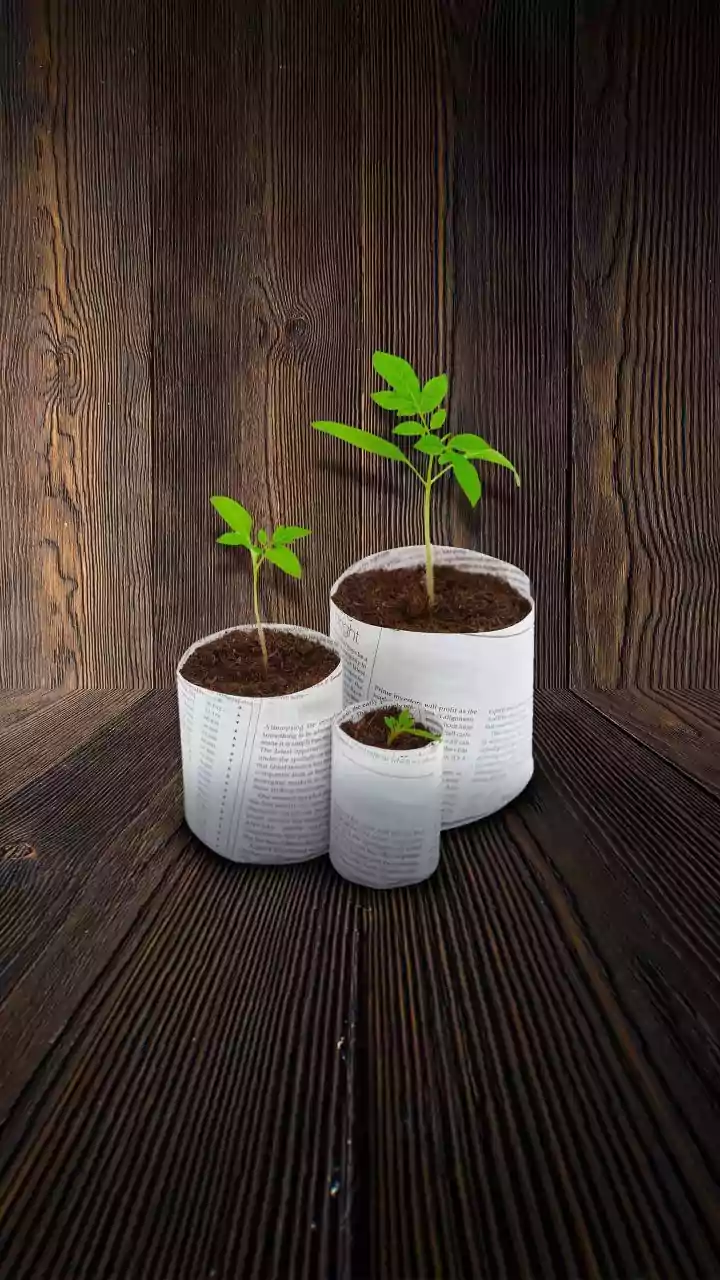
to rot. To combat this, ensure every pot has multiple drainage holes. Elevate your containers using bricks, pot feet, or simple plant stands. This small gap allows excess water to escape freely and improves air circulation, preventing your pots from sitting in puddles. Use a light, well-draining potting mix. A combination of garden soil, coco peat, and compost is ideal, as it retains moisture without becoming heavy and compacted. Avoid overcrowding your pots, as good airflow helps prevent the fungal diseases that thrive in the monsoon's high humidity.
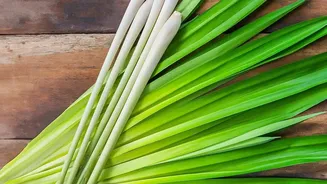
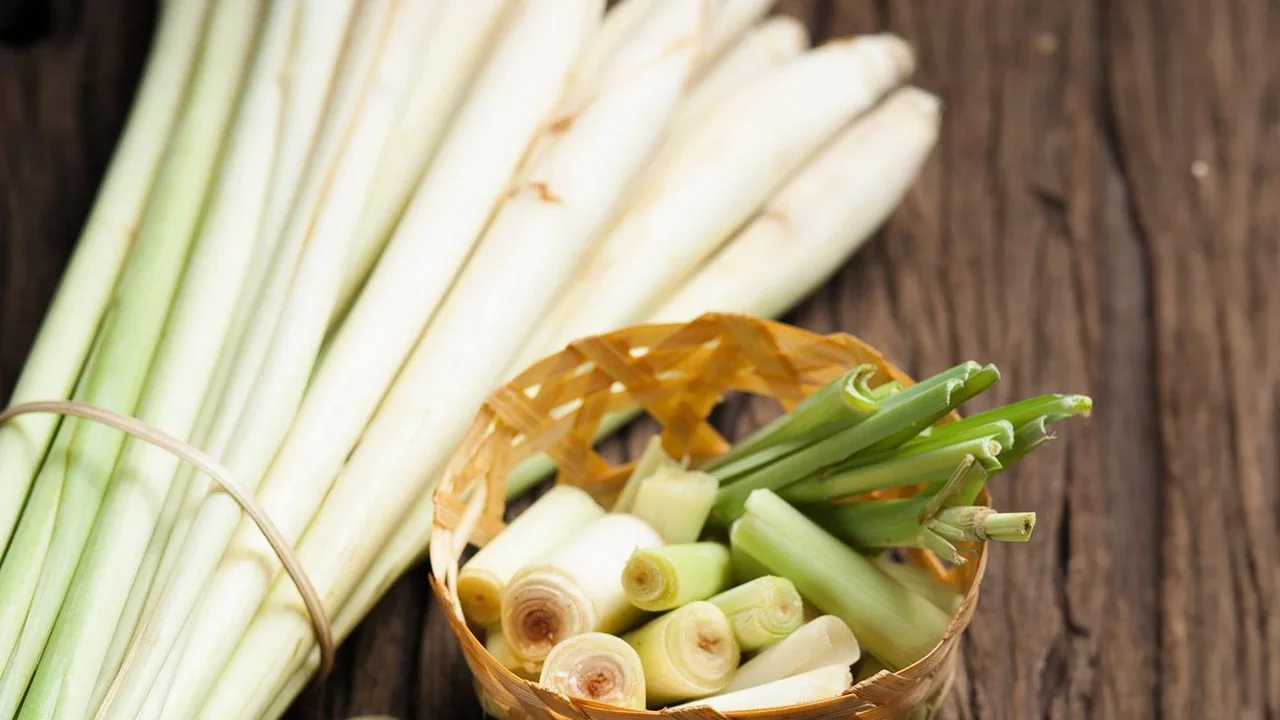
Growing Zesty Lemongrass
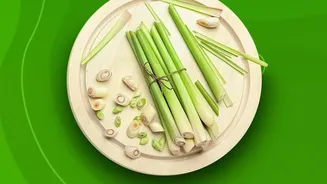
Lemongrass is a resilient tropical grass that loves the monsoon, making it a perfect choice for your balcony. It thrives in full sun and requires consistent moisture to produce tender, flavorful stalks. While it enjoys regular water, good drainage is still crucial. Plant it in a large container, at least a 5-gallon pot, to accommodate its clumping growth habit. During the rainy season, you'll likely not need to water it manually unless there are prolonged dry spells. The key is to check the soil; if the top inch feels dry, then it's time to water. Because heavy rains can wash away nutrients from the soil, feed your lemongrass every few weeks with a balanced liquid fertilizer to keep it growing strong. Harvest by cutting stalks at the base once they are about half an inch thick.
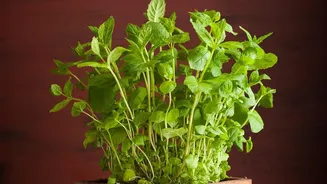
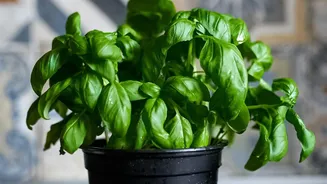
Cultivating Aromatic Basil
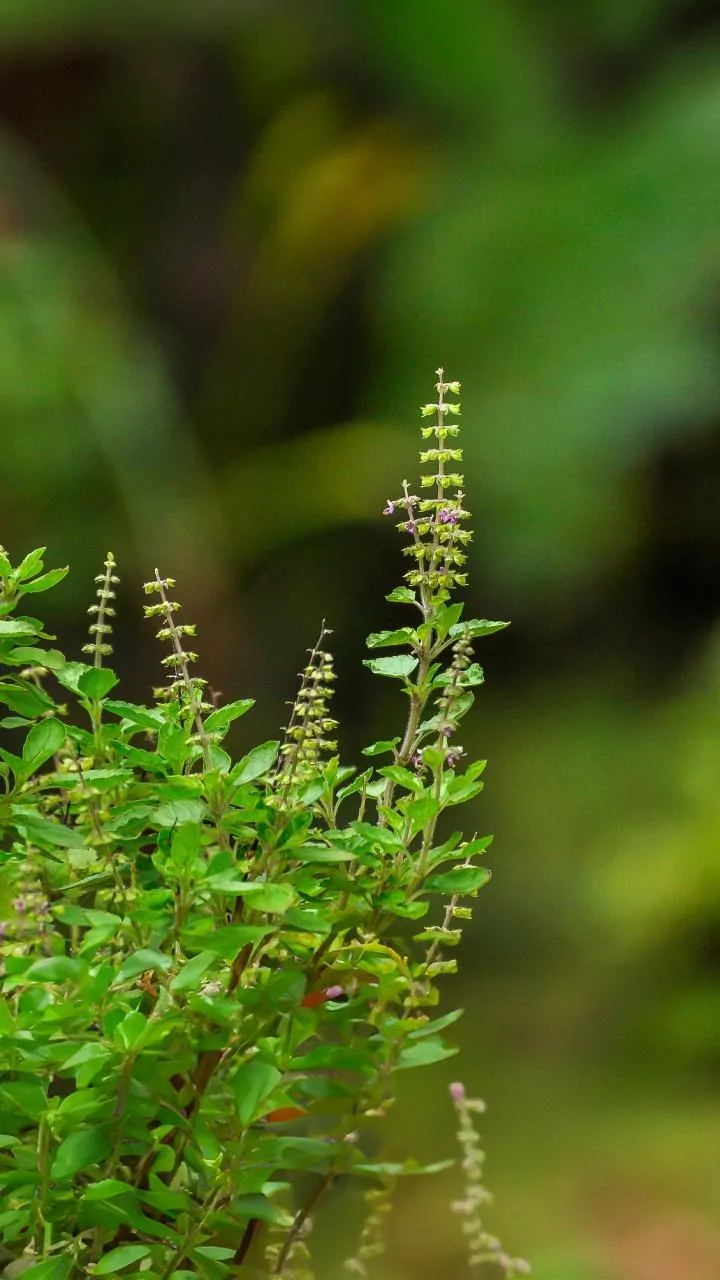
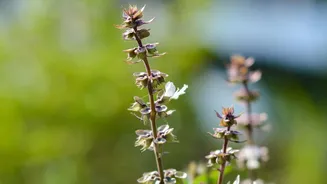
Basil is a kitchen staple, but it can be sensitive to the Indian monsoon's conditions. It loves the sun and warmth but despises having its roots constantly wet. Overwatering is the most common reason basil plants fail. Signs include yellowing leaves, especially at the base of the plant, drooping stems, and a musty smell from the soil. To protect your basil, place it in a spot that receives at least 4-6 hours of morning sunlight but is shielded from the most intense downpours. A light, airy soil mix is essential. If your plant is exposed to heavy rain, check to ensure the pot is draining well and the saucer is empty. Pruning is also vital. Regularly pinch off the top sets of leaves to encourage the plant to grow bushy and prevent it from becoming tall and spindly. This not only gives you a better harvest but also improves air circulation around the plant.
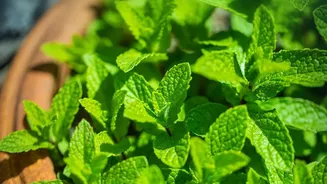
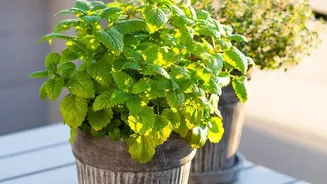
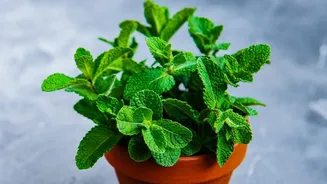
Mastering Fresh Mint
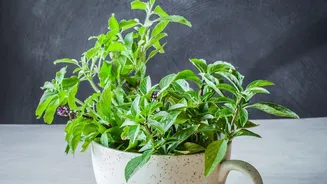
Mint, or pudina, is famously easy to grow and does exceptionally well in containers, which is perfect for keeping its aggressive spreading nature in check. It prefers consistently moist soil but, like basil, is susceptible to root rot if it becomes waterlogged. During the monsoon, reduce your watering frequency and only water when the top layer of soil feels dry. A pot that is at least 10-12 inches wide and has good drainage is ideal. Mint isn't too fussy about sunlight and can thrive in a spot with a few hours of direct sun or in partial shade, making it adaptable for different balconies. In fact, some protection from the harsh afternoon sun can be beneficial. Harvest your mint regularly by snipping the stems. This encourages bushier growth and ensures you have a constant supply for your chai, chutneys, and refreshing drinks all season long.
Solving Common Monsoon Pests
The damp and humid weather of the monsoon is a breeding ground for pests and fungal diseases. Fungus gnats, tiny black flies that hover around moist soil, are a common nuisance. Allowing the top inch of soil to dry out between waterings can help control them. You might also notice powdery mildew, which looks like white spots on leaves. This can be managed by ensuring good air circulation between plants and, if needed, spraying a natural fungicide like neem oil solution. Regularly check the undersides of leaves for pests like aphids and mealybugs. Removing dead leaves and debris from the pots promptly will also help prevent decay and disease, keeping your herb garden healthy and productive.