

The Social Spice Dilemma
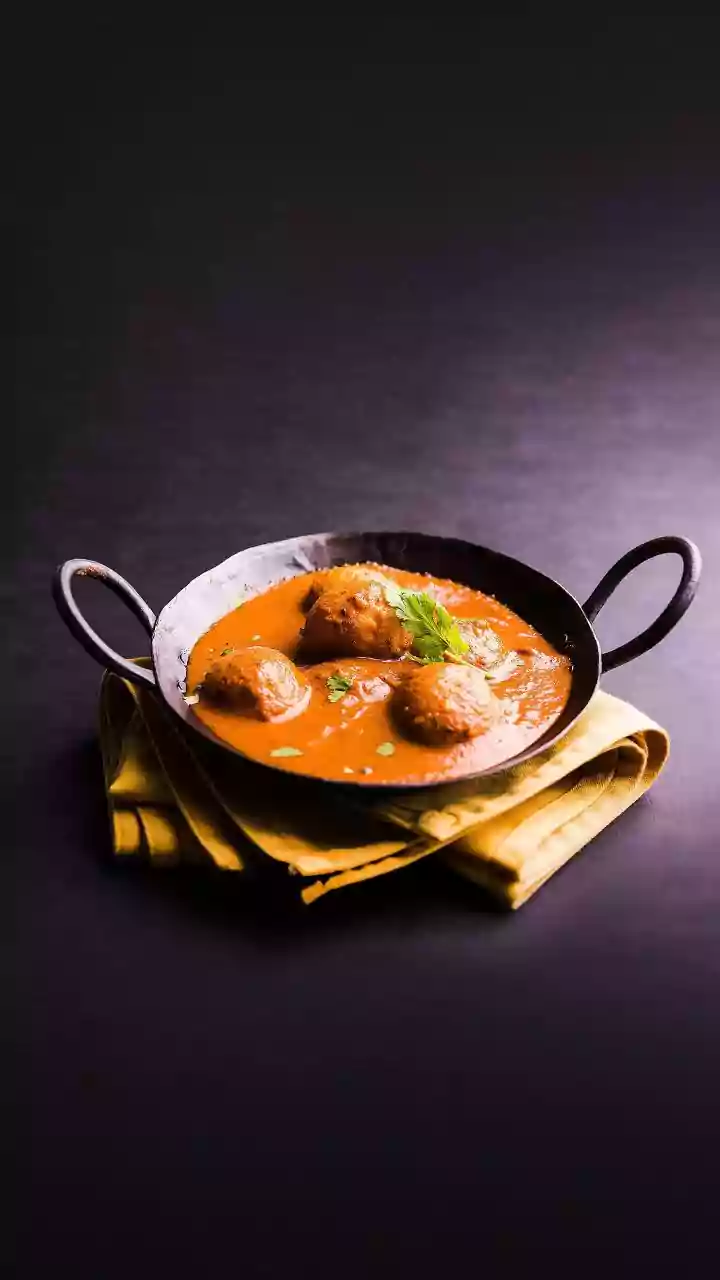
Cooking for others is a joy, but navigating different preferences for spicy food can be a challenge. One person's gentle warmth is another's five-alarm fire. The traditional approach involves a compromise: making a single pot of food at a medium heat
level that, ultimately, satisfies no one completely. The spice lovers feel it’s too tame, while those with lower tolerance might still find it overwhelming. This often leads to home cooks making multiple versions of a dish or leaving out the chilli altogether, sacrificing the intended flavour profile of the cuisine. But the problem isn't the spice itself; it's the one-size-fits-all application.
Early Heat vs. A Flavorful Finish
Conventional wisdom often tells us to add dried spices early in the cooking process. Blooming ground spices like cumin or coriander in hot oil at the start of cooking helps release their fat-soluble flavour compounds, creating a deep, foundational taste. When you add chilli powder or dried flakes at this stage, the heat-producing compound, capsaicin, also infuses into the entire dish. While this can create a wonderfully integrated heat, it has two major drawbacks. First, the heat level becomes locked in. Second, long cooking times, especially with a lot of steam, can actually cause the capsaicin to dissipate, making the final heat level unpredictable. You might end up with a dish that's less fiery than you intended.
The Case for Finishing with Spice
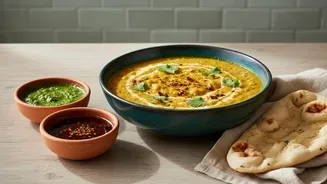
Treating spice as a finishing ingredient solves these problems. By preparing a base dish with all the aromatic, non-fiery spices, you create a flavorful foundation that everyone can enjoy. The element of intense heat is then added at the very end, or even at the table. This approach provides ultimate control. Each person can customize their own bowl to their precise desired heat level. This method also delivers a brighter, more vibrant heat. Adding chillies at the end preserves their distinct flavour profiles—whether fruity, smoky, or earthy—which can get lost during a long simmer. The sensation of heat is more immediate and lively, rather than a single, flat note of spiciness that permeates the whole dish.
How to Master the Art of Finishing
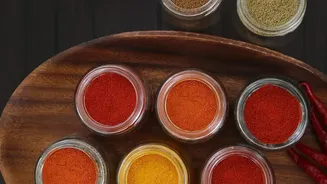
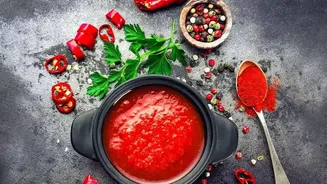
Embracing spice as a finish is easy and opens up a world of culinary creativity. The most versatile tool is a high-quality chilli oil. A drizzle over noodles, soup, eggs, or pizza provides instant heat and flavour. There are countless varieties, from crunchy Sichuan-style chilli crisp to smooth, intensely hot infused oils. Beyond oils, consider offering a small bowl of finely sliced fresh chillies, like bird's eye or serrano, for a sharp, fresh kick. A simple spice blend of different chilli flakes allows guests to sprinkle on their own heat. You can also make a quick “hot sauce” by blooming some chilli powder in a small amount of hot oil in a separate pan and serving it on the side.
Beyond Heat: A World of Flavour
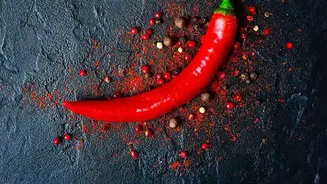
Focusing on finishing spices encourages you to explore chillies for their flavour, not just their fire. Different chillies offer different notes. Ancho is smoky and raisin-like, Habaneros are floral and fruity, and Kashmiri chilli provides vibrant red colour with minimal heat. By using these as finishers, their unique characteristics shine. Creating your own custom chilli oils or spice blends can become a hobby in itself. You can infuse oils with not just chillies, but also garlic, ginger, star anise, or Sichuan peppercorns for added complexity. This transforms the simple act of adding heat into an opportunity to add a final, sophisticated layer of flavour.