








Beyond Full Stomachs: What is Hidden Hunger?
Hidden hunger, or micronutrient deficiency, is a form of malnutrition that occurs when the intake of essential vitamins and minerals is too low. Unlike starvation, a person can consume enough calories to feel full but still lack the nutrients—like iron,
zinc, and vitamin A—vital for healthy development and bodily function. It’s called “hidden” because its effects aren't always immediately visible, but the consequences are severe, leading to weakened immunity, impaired cognitive development in children, and reduced productivity in adults. Shockingly, it is estimated that nearly half of the world's two billion people suffering from micronutrient deficiencies live in India. This widespread issue is largely attributed to monotonous, cereal-dominated diets that lack diversity.
The Farmland Connection: New District-Level Clues
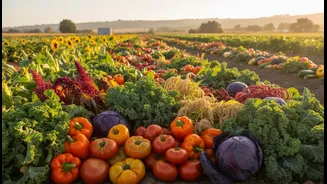
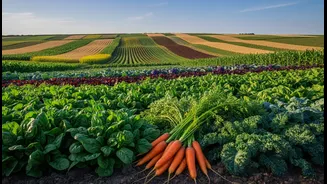
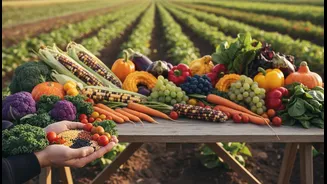
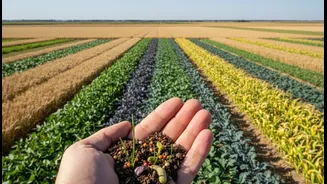
The headline's claim is rooted in a growing body of research analysing agricultural data at the district level across India. Studies have begun to draw a direct line between the variety of crops grown in a region and the nutritional status of its population. One study using data from 640 districts found a significant positive association between the production of pulses and spices and better child feeding practices, such as Minimum Dietary Diversity. Conversely, a focus on cash crops sometimes had a negative effect. This district-level analysis provides concrete evidence for a long-held theory: what we choose to grow in our fields has a direct impact on the nutrients available on our plates. A lack of crop diversification is a key driver of nutritional deficiencies.
What Is a Farm-System Angle?
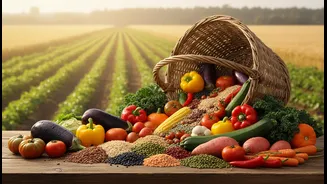
A 'farm-system' or 'food-system' approach looks beyond just farm yields and profitability. It treats agriculture as an interconnected system that includes everything from what is grown and how it's produced to how it's stored, distributed, and ultimately consumed. The goal is to design agricultural remedies for nutritional problems. This means moving away from a narrow focus on producing massive quantities of staple crops like rice and wheat and instead encouraging a mix of nutrient-dense foods. A farm-system approach integrates nutrition criteria directly into the selection of crops and livestock, promotes practices like kitchen gardens, and includes nutrition awareness programs to translate production diversity into consumption diversity. It's a holistic view that sees farms not just as sources of food, but as the foundation of public health.
Rethinking India's Food Policy
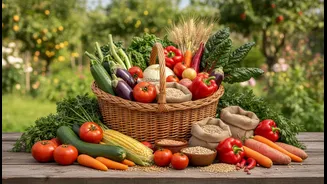
For decades, India's agricultural policy, born from the Green Revolution, rightly focused on achieving self-sufficiency in food grains to combat famine. This led to policies like the Minimum Support Price (MSP) and subsidies that heavily favour rice and wheat. While successful in ensuring calorie sufficiency, this has inadvertently created a dietary monoculture. Today, rice, wheat, and maize provide nearly 60% of plant-based calories globally. The new evidence provides a strong case for reorienting these policies. Experts suggest shifting the focus from quantity to quality by promoting the cultivation of more diverse and nutritious crops like millets, pulses, fruits, and vegetables. This doesn't mean abandoning staple grains, but rather creating a policy environment that makes growing a variety of foods more economically viable for farmers.
The Path Forward: Challenges and Opportunities
Adopting a farm-system approach is not without challenges. It requires a significant policy shift, including re-evaluating subsidies and creating new market linkages for diverse crops. Farmers need support through access to seeds for different crops, technical assistance, and assurance of a fair price for their produce. Furthermore, post-harvest losses, which are especially high for perishable nutrient-rich foods like fruits and vegetables, must be addressed through better infrastructure for storage and transportation. However, the opportunity is immense. Diversifying crops can make small farms more resilient to climate change and market shocks while improving soil health. By empowering farmers to grow more nutritious food, India can tackle the silent crisis of hidden hunger from the ground up, ensuring a healthier and more productive future for all.