


A Zero-Waste Delicacy
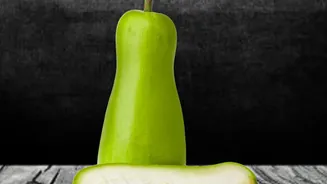
In a world increasingly focused on sustainability, the concept of zero-waste cooking has gained tremendous popularity. Using every part of a vegetable is not only economical but also environmentally friendly. Bottle gourd, or lauki, is a staple in many
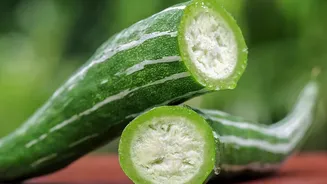
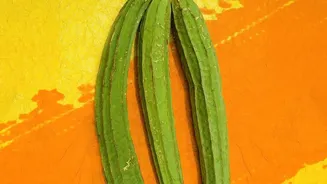
Indian households, but its peels are often discarded. However, these peels are packed with nutrients, including fibre, and can be turned into a surprisingly flavourful dish. From chutneys to stir-fries, the culinary uses for lauki peels are many, but peel kebabs stand out as a truly innovative snack. The transformation from a simple peel to a crispy, savoury kebab is a testament to culinary creativity, offering a delicious way to minimise kitchen waste.
The Challenge: Excess Water
The primary hurdle in making perfect bottle gourd peel kebabs is the vegetable's inherently high water content. Like the flesh, the peels hold a significant amount of moisture. When you mix the grated or minced peels with spices and binders, this excess water can turn your kebab mixture into a loose, unmanageable paste. Instead of holding their shape, the kebabs will be difficult to form and are likely to disintegrate in the pan, resulting in a soggy mess rather than a crispy delight. Therefore, the most critical step for success is effectively removing as much liquid as possible before you even begin to shape the kebabs.
Step 1: Grate and Salt
The first step in your moisture-removal mission is to process the peels correctly. After thoroughly washing the bottle gourd, use a peeler to remove the skin. You can either finely chop these peels with a knife or, for a better texture, grate them using a standard box grater. Once grated, place the peels in a colander or a large bowl and sprinkle them generously with salt. Toss them well to ensure the salt is evenly distributed. Salt is a powerful dehydrating agent; it works through osmosis to draw water out of the vegetable's cells. Let the salted peels rest for about 15 to 20 minutes. You will soon see a significant amount of water pooling at the bottom of the bowl.
Step 2: Squeeze It Out
After salting, it's time for the most crucial physical step: squeezing. The most straightforward method is to take handfuls of the salted peels and squeeze them firmly between your palms. Apply as much pressure as you can to wring out the liquid. For an even more effective method, place the grated peels in the center of a muslin cloth or a clean kitchen towel. Gather the corners of the cloth to form a bundle, then twist and squeeze with all your might. This technique allows you to exert more pressure and extract a surprising amount of water. Continue this process until the peels feel significantly drier and no more liquid can be easily extracted. Remember to add salt to your kebab mixture sparingly later, as the peels will have absorbed some salt during this process.
The Role of Binders and Spices
Even after squeezing, some residual moisture will remain. This is where your binding agent comes into play. Roasted gram flour (besan) is an excellent choice as it not only absorbs leftover moisture but also adds a nutty flavour and helps bind the mixture. You can also use rice flour for extra crispiness or even breadcrumbs. Start by adding a small amount of the binder and mix it in. If the mixture still feels too wet to hold a shape, add more flour, one tablespoon at a time, until you reach a firm, dough-like consistency. This is also the time to add your aromatics and spices, such as finely chopped onions, green chillies, ginger-garlic paste, coriander, cumin powder, and garam masala.
Shaping and Frying to Perfection
Once your mixture is ready, let it rest for about 10 minutes to allow the flavours to meld. To prevent the mixture from sticking to your hands, lightly oil your palms before shaping the kebabs. You can form them into traditional round patties or oval shapes. A key tip for firmer kebabs is to chill the mixture for about 15-20 minutes before shaping. When it comes to cooking, shallow frying is the best method. Heat a moderate amount of oil in a non-stick pan over medium heat. Don't overcrowd the pan; place the kebabs with enough space between them. Fry them on a medium-low flame, which ensures they cook through evenly without burning on the outside. Be patient and flip them only when one side is golden brown and crisp, as they can be delicate.