







The Rise of the Biophilic City
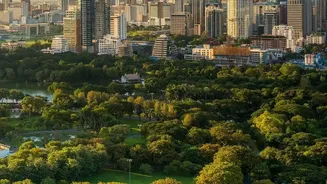
One of the most exciting fields in urban health is biophilic design, which is based on the idea that humans have an innate need to connect with nature. Scientists have found that integrating natural elements into urban environments can significantly boost
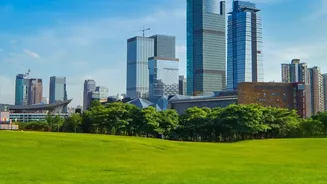
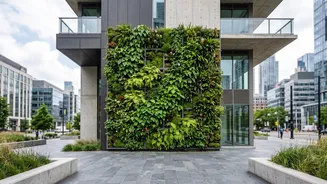
mental and physical health. Research shows that even having a single plant in a workspace can reduce stress, while children raised in greener neighbourhoods have a lower risk of developing mental illness. This goes far beyond just planting more trees. Biophilic architecture involves designing buildings with natural shapes, materials, and access to nature. Cities like Singapore are leading the way, weaving green roofs, vertical gardens, and water features into the very fabric of their infrastructure to reduce stress and improve cognitive performance. The science is clear: regular contact with nature is not a luxury, but an essential component of a healthy urban life.
Engineering Cities for Movement
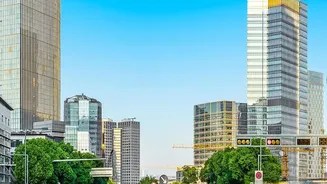
For decades, cities were designed around the car, contributing to sedentary lifestyles and chronic diseases. Urban planners are now using scientific principles to reverse this trend. The '15-minute city' is a concept gaining global traction, where essential services like shops, schools, and healthcare are all accessible within a 15-minute walk or bike ride. This model encourages physical activity, reduces traffic congestion, and lowers carbon emissions. Studies show that residents of walkable neighbourhoods tend to weigh less and have fewer chronic health issues. Creating this environment involves mixed-use zoning, dedicated bike lanes, and pedestrian-friendly streets that are safe and inviting. It's a data-driven approach to urban design that nudges people toward healthier choices simply by making them the easiest options available.
Fighting Invisible Threats: Air and Noise Pollution
Urban life is often accompanied by the invisible stressors of air and noise pollution, both of which have serious health consequences. Scientists are developing high-tech solutions to monitor and mitigate these threats. Smart cities are deploying networks of sensors to track air and water quality in real-time, allowing for targeted interventions. In Beijing, for example, this data was used to regulate traffic and construction, significantly reducing deadly airborne pollutants. Noise pollution, identified by the World Health Organization as a major health risk, is also being tackled through innovation. Strategies include using quieter asphalt, designing noise-blocking barriers, promoting electric vehicles, and using vegetation as natural sound absorbers. These efforts aim to create a calmer, cleaner, and less stressful sensory environment for city dwellers.
Using Data to Build Healthier Communities
The future of urban health also lies in harnessing the power of data. Smart city technology uses a network of sensors, IoT devices, and mobile networks to gather information on everything from traffic flow to public health trends. This data allows city officials to make informed decisions, such as identifying at-risk populations for targeted health interventions or optimizing public transport to reduce crowding. By analysing activity monitoring and sensor data, planners can adapt urban spaces to better promote walking and cycling. Furthermore, digital platforms can enhance community engagement and give residents better access to civic services, fostering a sense of connection that combats the loneliness often associated with city living. This systems-based approach considers the city as a complex, interconnected organism, where small changes can have a large impact on overall well-being.