





The Foundation: Your Flour
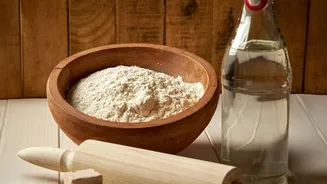
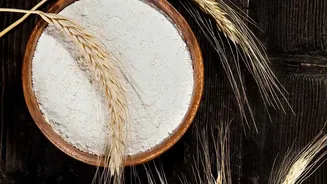
Flour is the backbone of your bread, providing the essential structure. But not all flours are created equal. The most critical factor is protein content, which determines the flour's ability to form gluten. Bread flour typically has a high protein content (12-14%),
which creates a strong, elastic gluten network capable of trapping the gasses produced by yeast. This results in a chewy, well-risen loaf with a sturdy structure. All-purpose flour has a lower protein percentage (10-12%) and is more of a generalist. While versatile, it may not provide enough strength for rustic, crusty breads, potentially leading to a weaker structure. Using the wrong type of flour, or one that is old and has lost its potency, is a common reason for failure. Before you tweak the yeast or sugar, ensure you're using fresh, appropriate flour for the style of bread you want to create.
The Lifeblood: Water and Hydration
Water does more than just moisten ingredients; it awakens the yeast, enables gluten to form, and dictates the final consistency of your dough. The amount of water relative to the flour, known as hydration, is a key variable. Lower hydration doughs (50-60%) are stiffer and typical for bagels, while high-hydration doughs (70%+) are slack, sticky, and produce the open, airy crumb of artisan loaves like ciabatta. But it’s not just about quantity. Water temperature is one of the easiest ways to control your dough's fermentation speed. Yeast is most active in a warm environment, but water hotter than 37°C can kill it, halting your rise completely. Conversely, water that's too cold will significantly slow down yeast activity, leading to a much longer rising time. Mastering hydration and temperature gives you immense control over your dough's behaviour.
The Magic: Rest and Fermentation
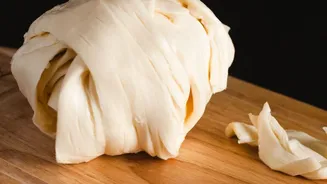
The resting periods in a recipe—known as fermentation and proofing—are when the real magic happens. This is not passive waiting time; it is an active, transformative stage. During fermentation, yeast consumes sugars in the dough and releases carbon dioxide and alcohol. The CO2 gas creates air pockets that make the bread light and airy, while the alcohol and other byproducts develop the complex flavours that distinguish great bread from bland bread. Rushing this process is a critical mistake. Under-proofed dough doesn't develop enough gas, resulting in a dense, tight crumb. Over-proofing is just as bad; the gluten structure weakens, air bubbles become too large, and the dough can collapse in the oven. Instead of strictly following a recipe's timetable, learn to read the dough. A properly proofed loaf will have visibly increased in size and will spring back slowly when gently poked.
The Finale: Heat and Steam
The final variable, heat, is what turns your carefully prepared dough into a finished loaf. Proper oven temperature is non-negotiable. An oven that’s too cool can result in a pale, dense loaf with poor structure. For many crusty breads, a hot, preheated oven is essential for “oven spring”—the rapid initial rise that happens when the dough first hits the heat. Just as important as temperature is humidity. Introducing steam for the first few minutes of baking is a professional technique that dramatically improves results. Steam keeps the surface of the dough moist and pliable, allowing it to expand to its full potential before the crust sets. This leads to a greater volume, a more open crumb, and that coveted thin, crisp, shiny crust. Without steam, the crust forms too quickly, restricting the loaf's expansion and leading to a denser, duller finish.