








Master Your Airflow
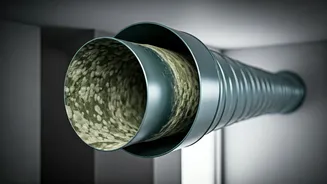
It’s tempting to keep windows shut to prevent rain from getting in, but this traps humid air, creating a breeding ground for mould and mildew. The key is strategic ventilation. When it’s not raining, open windows and doors on opposite sides of your home
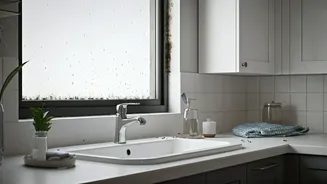
to create a cross-breeze. This simple act pushes stale, moist air out and brings fresh air in, drastically reducing indoor humidity. In moisture-prone areas like kitchens and bathrooms, make it a habit to run the exhaust fan for 10-15 minutes after cooking or showering to expel steam and prevent condensation.
Declare War on Dampness
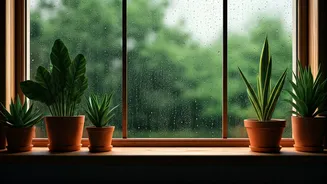
Beyond ventilation, you can actively absorb excess moisture. While electric dehumidifiers are effective, several natural options work well in contained spaces. Placing bowls of rock salt or charcoal briquettes in damp corners, closets, or behind furniture can help draw moisture from the air. Even the little silica gel packets you get with new shoes or electronics can be repurposed; toss them into drawers, shoe racks, and storage boxes to protect your belongings. For a greener touch, certain houseplants like peace lilies and spider plants are known to absorb ambient moisture.
Adopt Wardrobe Wellness
That musty smell in clothes and closets is a classic monsoon complaint. The cause is moisture trapped in fabrics and enclosed spaces. A crucial habit is ensuring clothes are bone-dry before putting them away; even slight dampness can lead to mildew. To protect stored clothes, leave some space between items for air to circulate. Placing naphthalene balls, dried neem leaves, or camphor inside the wardrobe can help repel insects and combat odours. It's also wise to pull furniture, especially wooden wardrobes, a few inches away from walls to prevent moisture from getting trapped behind them.
Create a Pest-Free Zone
The rainy season is prime time for pests like mosquitoes, cockroaches, and termites, who seek shelter from the waterlogged outdoors. Your first line of defence is to eliminate entry points. Regularly inspect for and seal any cracks in walls or gaps around windows and doors. Don’t let water stagnate in or around your home; empty plant saucers, buckets, and check for clogged drains, which are breeding grounds for mosquitoes. Maintaining a clean kitchen is also vital. Store food in airtight containers and dispose of garbage regularly to avoid attracting ants and rodents.
Practice Smart Electrical Safety
Water and electricity are a dangerous mix, and the monsoon demands extra caution. Never touch switches, appliances, or outlets with wet hands. It’s a good habit to unplug non-essential electronics like televisions and computers during heavy thunderstorms to protect them from power surges caused by lightning. Before the season begins, it's wise to have an electrician inspect your home's wiring for any wear and tear, and ensure you have functioning circuit breakers like an RCCB for added protection against shocks. Avoid placing electrical cords on the floor where they might come into contact with water.
Manage Your Entrance
Your home's entrance takes a beating during the monsoon. A simple habit that contains the mess is using a highly absorbent doormat, like one made of coir, to catch mud and water. Having a designated spot for wet umbrellas and raincoats, such as a tall stand or hooks, prevents water from being tracked through the house. Keeping your shoe rack near the door encourages everyone to remove wet footwear immediately, protecting your floors and reducing the dampness brought inside.