


Raghurajpur: The Village as a Canvas
Just 14 kilometres from Puri, Raghurajpur is not merely a village but a living gallery. Recognised as a 'Heritage Crafts Village', almost every home here is a studio, and every resident an artist. The walls of houses are adorned with colourful murals,
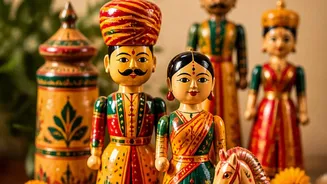
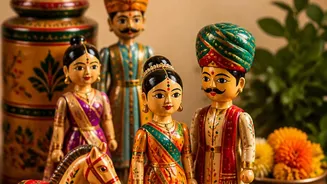
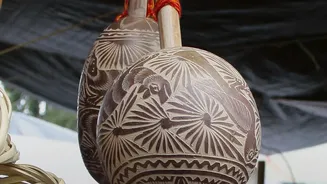
setting the stage for the treasures within. This village is the global epicentre for Pattachitra, an ancient art of painting on treated cloth scrolls ('patta'). Artists meticulously create intricate narratives of mythology, particularly tales of Lord Jagannath, using natural pigments ground from minerals and shells. Beyond cloth, you will find Tala Pattachitra, where these same epic stories are delicately engraved onto palm leaves. As you walk through, artisans will invite you into their homes to watch them work, offering a chance to buy everything from paintings and wooden toys to cow-dung sculptures directly from the creator.
Pipili: A Riot of Appliqué Colour
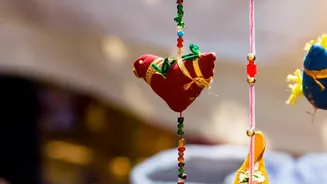
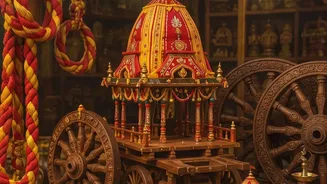
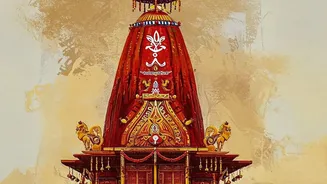
Located conveniently between Bhubaneswar and Puri, Pipili is impossible to miss. The main street is a dazzling explosion of colour, thanks to its famous appliqué work, known locally as 'Chandua'. This craft, which has earned a Geographical Indication (GI) tag, involves stitching intricately cut pieces of coloured cloth onto a base fabric to create vibrant designs of flowers, animals, and gods. Originally, this art form served the needs of the Jagannath Temple, creating the massive, colourful canopies and banners for the annual Rath Yatra festival. Today, the artisans of Pipili apply their skills to a vast array of goods. You can find beautiful garden umbrellas, lampshades, wall hangings, cushion covers, and handbags, all showcasing the bold, graphic style that makes this craft so appealing. Stopping in Pipili offers a fantastic opportunity to buy unique, eye-catching souvenirs.
Sadeibereni: The Rustic Glow of Dhokra
In the Dhenkanal district lies the village of Sadeibereni, a hub for one of India's most ancient craft forms: Dhokra. This 4,000-year-old tradition uses a lost-wax casting technique to create rustic, beautiful objects from brass and bell metal. The Sithulia community of artisans here are masters of this method, where a clay core is covered with beeswax threads, then another layer of clay. Molten metal is poured in, melting the wax and taking its place. Each piece is unique because the mould is broken every time. The resulting products—tribal figurines, elephants, lamps, and jewellery—have a distinctive, earthy charm. A visit to Sadeibereni offers a fascinating look into this painstaking process and a chance to purchase a piece of prehistoric art, with many artists having won national awards for their skill.
Nuapatna & Maniabandha: Weaving Magic with Ikat
For textile lovers, the villages of Nuapatna and Maniabandha in the Cuttack district are essential destinations. These are the heartlands of Odisha's famous Ikat, or 'Bandha' weaving. This complex art involves tie-dying the warp and weft threads before they are even placed on the loom, a process that requires immense foresight and precision to create the desired patterns. The resulting fabrics are known for their hazy, feathered edges and intricate designs. Maniabandha, recognised as India's Best Tourism Village (Craft Category) in 2024, is also home to a unique community of Buddhist and Hindu weavers who create exquisite Khandua Patta silks, some with verses from the Gita Govinda woven in for temple rituals. Visiting these villages allows you to hear the rhythmic clatter of pit looms and buy stunning sarees and fabrics directly from the weavers who have spent weeks creating them.
Kantilo & Balakati: The Enduring Ring of Bell Metal
The sound of metal being hammered into shape is the pulse of villages like Kantilo and Balakati. These are major centres for bell metal ('Kansa') and brass crafts, a tradition that dates back centuries and is deeply connected to the Jagannath temple. Artisans from the Kansari community create a range of items, from sonorous bells and lamps for rituals to the traditional utensils found in Odia homes. Kansa dinnerware is highly prized and is considered by Ayurveda to have health benefits. In Kantilo, on the banks of the Mahanadi river, the craft was established to serve the local Neela Madhab temple, considered the origin of Lord Jagannath. Visiting these workshops provides a powerful sensory experience, from the heat of the furnace to the rhythmic hammering that has been passed down through generations.